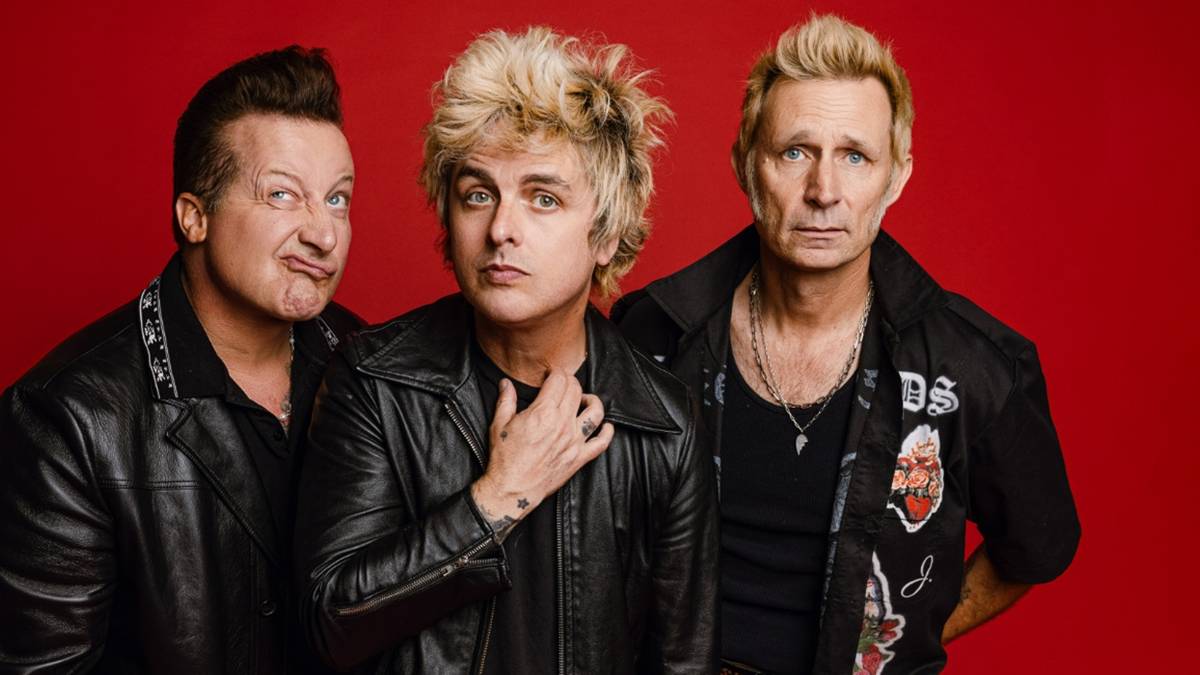
In 1994, the world was shifting. The Cold War's paranoia had faded, and pop culture ruled TV screens. Grunge giants Nirvana had just ended their run with Kurt Cobain's tragic death, leaving alternative rock searching for a fresh voice. Enter Green Day, a trio from the punk scene who burst onto MTV with their major-label debut Dookie. While many remember their later political anthem 'American Idiot,' it's the 1994 single 'Basket Case' that truly captures the band at its rawest and most relatable.
Green Day—Billie Joe Armstrong, Mike Dirnt, and Tré Cool—brought pop-punk hooks that weren't just catchy; they spoke to a generation grappling with uncertainty in a world shaped by mass consumption. 'Basket Case,' the second single from Dookie, is a power-pop lament to youthful anxiety. It's a song that perfectly encapsulates that looming existential dread—the kind that makes you question whether you're paranoid or just bored and purposeless. The narrator tries to cope through therapy or sex, but the song suggests that sometimes, you can't rationalize anxiety away.
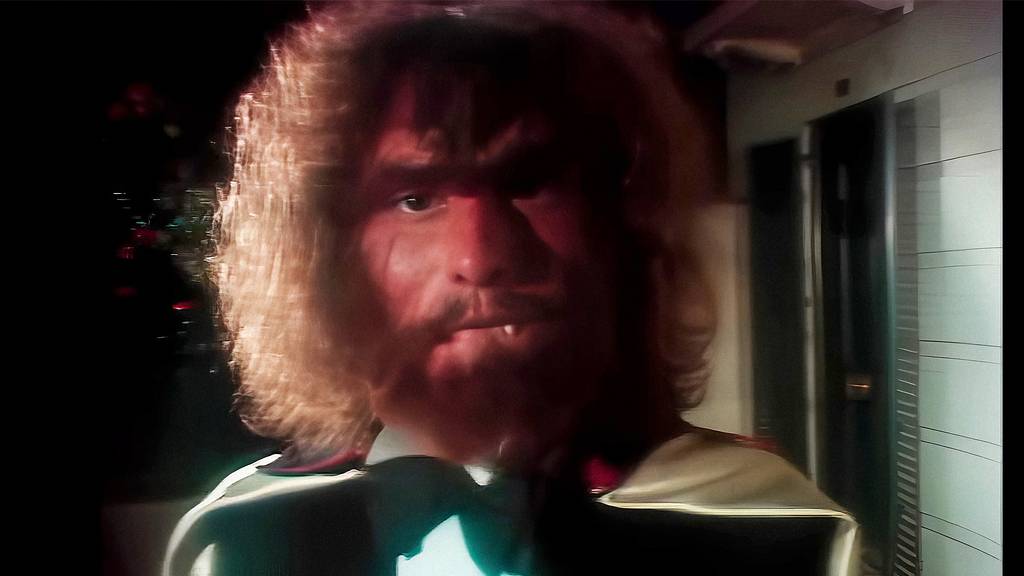
Armstrong drew from his own panic attacks, which he experienced as a child without knowing what they were. He'd wake up in the middle of the night, heart racing, and eventually learned to manage them by breathing into paper bags or riding his bike. But it was songwriting that became his ultimate outlet—not to find reasons for the anxiety, but to ride it out. This authenticity is what makes 'Basket Case' resonate decades later.
Interestingly, Armstrong almost scrapped the song entirely. He wrote the original lyrics in late 1992 to early 1993 while under the influence of crystal meth. The drug gave him a false confidence that he'd written his best work, but once the high wore off, he found the lyrics 'just embarrassingly bad.' He mustered the courage to rewrite them, and the result became a timeless anthem.
Armstrong's struggles with substance abuse are well-known. In the mid-'90s, he turned to anti-anxiety and insomnia medication, often mixing them with alcohol. His lowest point came at the 2012 iHeartRadio Music Festival in Las Vegas, where he had a televised onstage meltdown after being given a 'one minute left' signal. He later checked into rehab. In a full-circle moment, Green Day returned to that festival in early 2026, and Armstrong cheekily began a countdown during 'Good Riddance (Time of Your Life),' referencing his infamous meltdown.
While 'American Idiot' (2004) is a brilliant concept album critiquing post-9/11 politics and media fear-mongering, it's more theatrical. 'Basket Case' is stripped-down, personal, and universal. It doesn't need a fictional 'Jesus of Suburbia' to deliver its message—it's just a guy trying to make sense of his own head. That's why, for many fans, 'Basket Case' remains Green Day's true magnum opus.
For more on how music and TV capture anxiety, check out our article on how a sci-fi classic defined dread before 'Black Mirror' and 'Twilight Zone'. And if you're into shows that explore similar themes, don't miss 'Blue Lights,' the BBC cop drama becoming a streaming obsession.