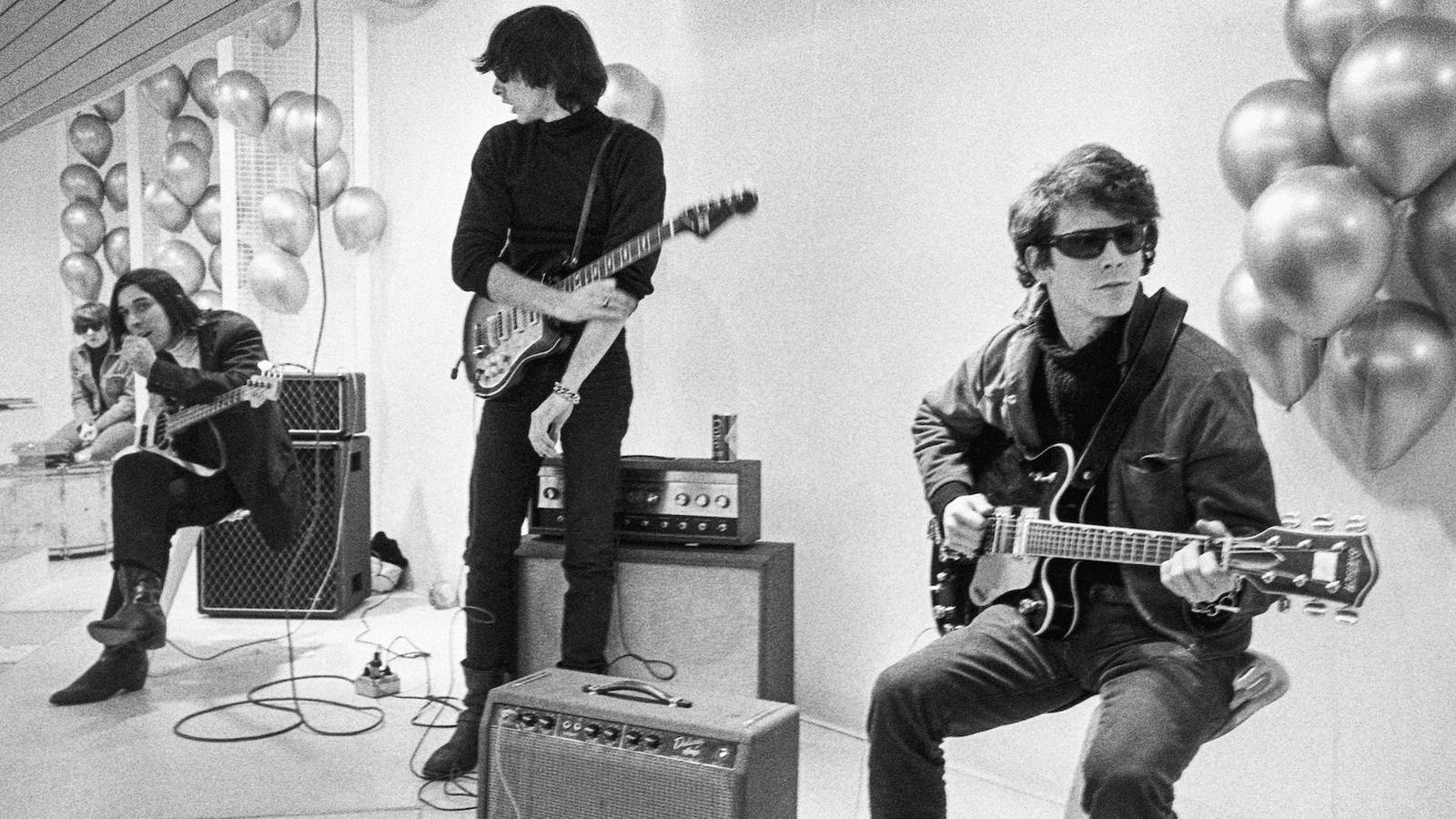
Before grunge exploded out of Seattle and punk rocked the underground, alternative rock had a quiet, gritty birth in the 1960s New York counterculture. At the heart of it all lies one album: The Velvet Underground & Nico. Though it flopped commercially upon its 1967 release, this record is now hailed as the single most important album in alternative rock history, laying the groundwork for punk, grunge, indie, and beyond.
The Unlikely Birth of a Legend
The Velvet Underground formed in 1964 when Lou Reed, a poet and guitarist, teamed up with classically trained musician John Cale. They cycled through names and members before settling on guitarist Sterling Morrison and drummer Maureen “Moe” Tucker—who initially was a temporary fill-in but earned her spot by crafting a drum kit from garbage can lids and tambourines. The band landed a residency at Greenwich Village’s Café Bizarre, but they were fired after playing “The Black Angel’s Death Song” right after being told not to. That rebellious spirit defined them.
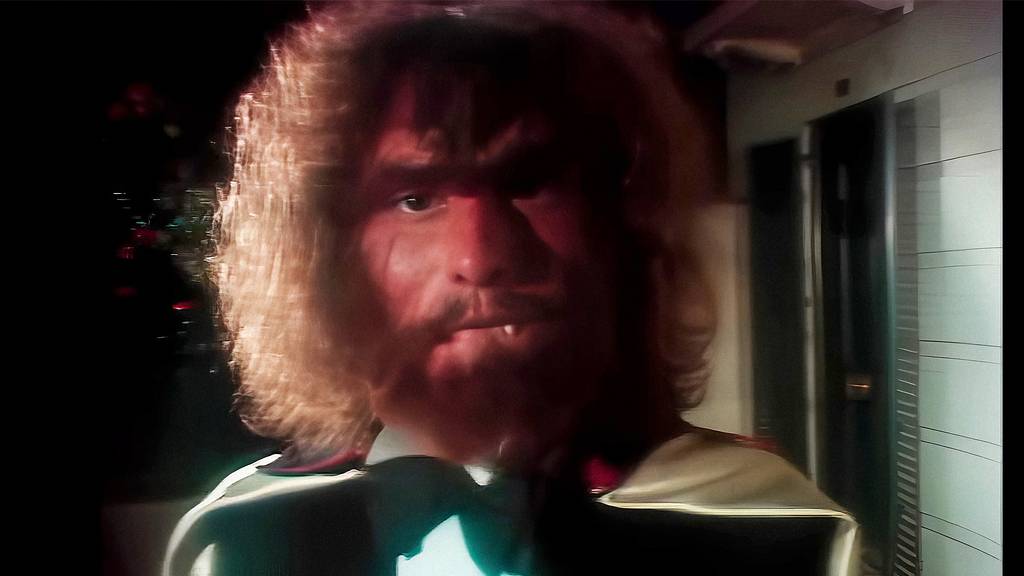
Pop artist Andy Warhol caught their act and became their manager, incorporating them into his Exploding Plastic Inevitable tour—a psychedelic multimedia spectacle that mixed light shows, dance, and music, essentially an early rave. Warhol introduced the band to German singer Nico, pushing for her inclusion on their debut album. The band reluctantly agreed, and Warhol gave them complete creative freedom as producer, resulting in an unhinged, avant-garde sound.
A Sound That Changed Everything
The Velvet Underground & Nico is raw, abrasive, and beautiful. Tracks like “Venus in Furs,” “Heroin,” and “The Black Angel’s Death Song” feature Cale’s screeching electric viola, perfectly matching Reed’s beat-poetry lyrics about drugs, sadomasochism, and urban decay. The album’s gritty, contaminated sound is offset by Nico’s ethereal vocals on songs like “Femme Fatale,” “All Tomorrow’s Parties,” and “I’ll Be Your Mirror.” Her haunting, effervescent voice adds a shimmering contrast to the darkness, making the album a balanced masterpiece.
From Flop to Foundation
When it dropped, the album was a commercial disaster—only 30,000 copies sold in five years. Many record stores refused to stock it, and radio stations ignored it. The controversial cover art, a peelable banana designed by Warhol, only added to the shock. But among musicians, it was a revelation. Legendary producer Brian Eno famously said, “The Velvet Underground didn’t sell many records, but everyone who bought one went out and started a band.” David Bowie, among others, cited them as a massive influence.
Over time, the album’s influence grew, shaping countless subgenres. For more on groundbreaking albums, check out The 25 Greatest Albums Ever Made: A Definitive Ranking and The Definitive Best Rock Album of Each Year in the 1990s. The Velvet Underground’s legacy is also echoed in Every Police Album Ranked: From Punk Debut to Pop Masterpiece.
Today, The Velvet Underground & Nico is recognized as the blueprint for alternative rock. Its raw honesty, experimental sound, and fearless exploration of taboo subjects paved the way for everything from punk to indie. It’s a testament to how a misunderstood flop can become the most important album in music history.