In the ever-shifting landscape of science fiction, few franchises manage to reinvent themselves without losing their core identity. The Planet of the Apes reboot, which began in 2011, stands as a shining exception. Now available on Hulu and Prime Video, this modern trilogy—Rise, Dawn, and War—has become a benchmark for what a reboot can achieve, blending blockbuster spectacle with genuine emotional depth.
The journey starts with Rise of the Planet of the Apes, which flips the original's nuclear apocalypse for a viral one. Scientist Will Rodman (James Franco) develops a drug to combat Alzheimer's, but it inadvertently elevates the intelligence of a chimpanzee named Caesar (Andy Serkis). This shift from atomic doom to a pandemic-driven collapse feels eerily relevant today, and it sets the stage for a world where apes rise and humanity falls.

Director Rupert Wyatt, who helmed the first film, envisioned a prequel that would honor the 1968 classic while forging its own path. He hinted at the conflict to come: "Caesar is a revolutionary figure who will be talked about by his fellow apes for centuries... This is just the first step in the evolution of the apes." That promise was fulfilled spectacularly in the sequels, directed by Matt Reeves, who brought a sweeping, cinematic scale to the saga.
A Director's Vision That Elevated the Franchise
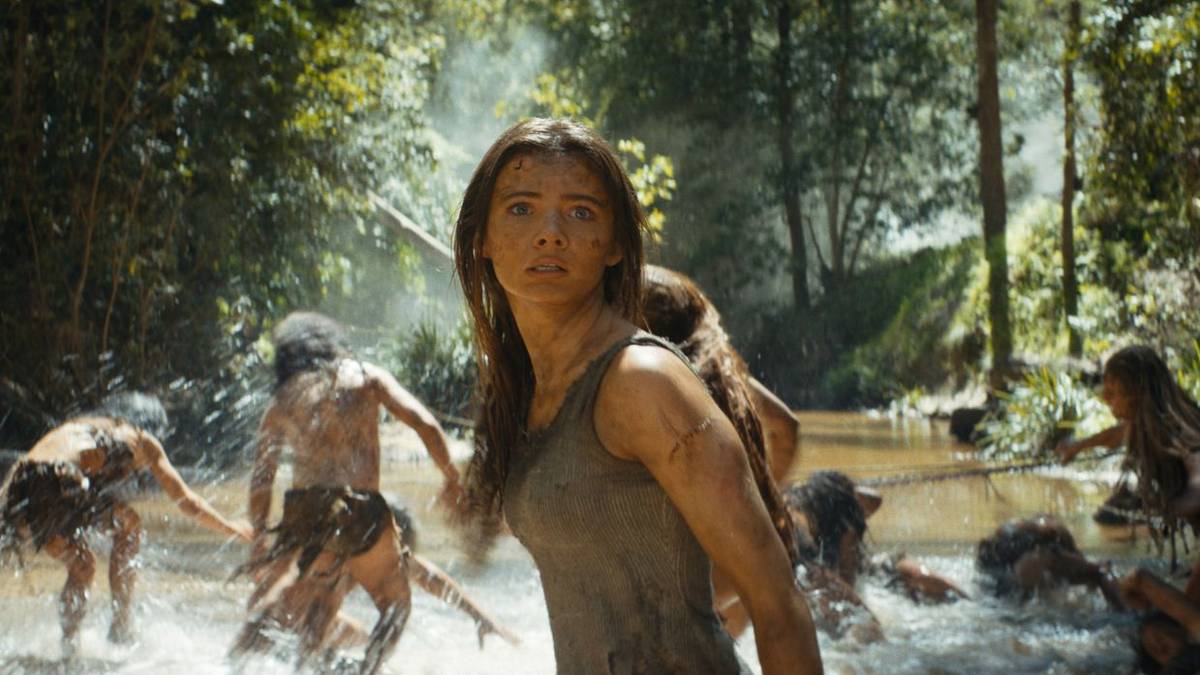
Matt Reeves took the reins for Dawn and War for the Planet of the Apes, and his impact cannot be overstated. He transformed the series into a visual and emotional epic, with breathtaking shots of rain-soaked forests, snow-covered battlefields, and a haunting military fortress. Cinematographer Michael Seresin's close-ups on the characters' eyes—both human and ape—convey more than any dialogue could, making every moment feel intimate even amid chaos.
Reeves' work on the Apes films not only earned critical acclaim and box office success but also paved the way for his later projects, including The Batman. His ability to balance intimate character drama with large-scale action is a rare skill, and it's on full display here.
Andy Serkis: The Heart of the Apes
At the center of this saga is Andy Serkis, whose motion-capture performance as Caesar is nothing short of career-defining. Serkis brings a profound humanity to the character, charting his evolution from a curious chimp to a reluctant leader, and finally to a messianic figure. The camera is drawn to him, and audiences can't help but invest in his journey. Even after Caesar's death, his legacy looms large in Kingdom of the Planet of the Apes, which explores how his teachings are interpreted—and sometimes twisted—by future generations.
This reboot proves that reboots don't have to rely on nostalgia or rehash old stories. Instead, it offers a fresh, expansive narrative that continues to resonate. As a new prequel is set for 2026, the franchise shows no signs of slowing down.
For fans of sci-fi epics, the Apes trilogy is a must-watch. It stands alongside other modern greats like Dune, and its streaming availability on Hulu makes it easier than ever to experience. If you're looking for a story that combines thrilling action with genuine pathos, look no further than this remarkable series.