Prequels often get a bad rap. They're seen as cash grabs that retread familiar ground, stripping away the suspense because we already know how the story ends. But every so often, a prequel comes along that flips that notion on its head, enriching the original story and giving us a whole new lens through which to view it. Rise of the Planet of the Apes (2011) was exactly that—a masterclass in how to breathe new life into a decades-old franchise. And now, with a new prequel heading to Hulu in August 2026, the saga is set to go back even further, promising to explore the very dawn of the ape uprising.
The Genius of the 2011 Reboot
When Rise of the Planet of the Apes hit theaters, it did something remarkable: it made us sympathize with the very creatures that had once terrified us. The original 1968 film and its sequels showed a dystopian future where intelligent apes ruled, but they were often portrayed as cold, calculating villains. The 2011 prequel, directed by Rupert Wyatt, flipped that script. It took us back to the moment when that future was born, revealing that humanity's own cruelty and arrogance were the true catalysts for the apes' revolution.
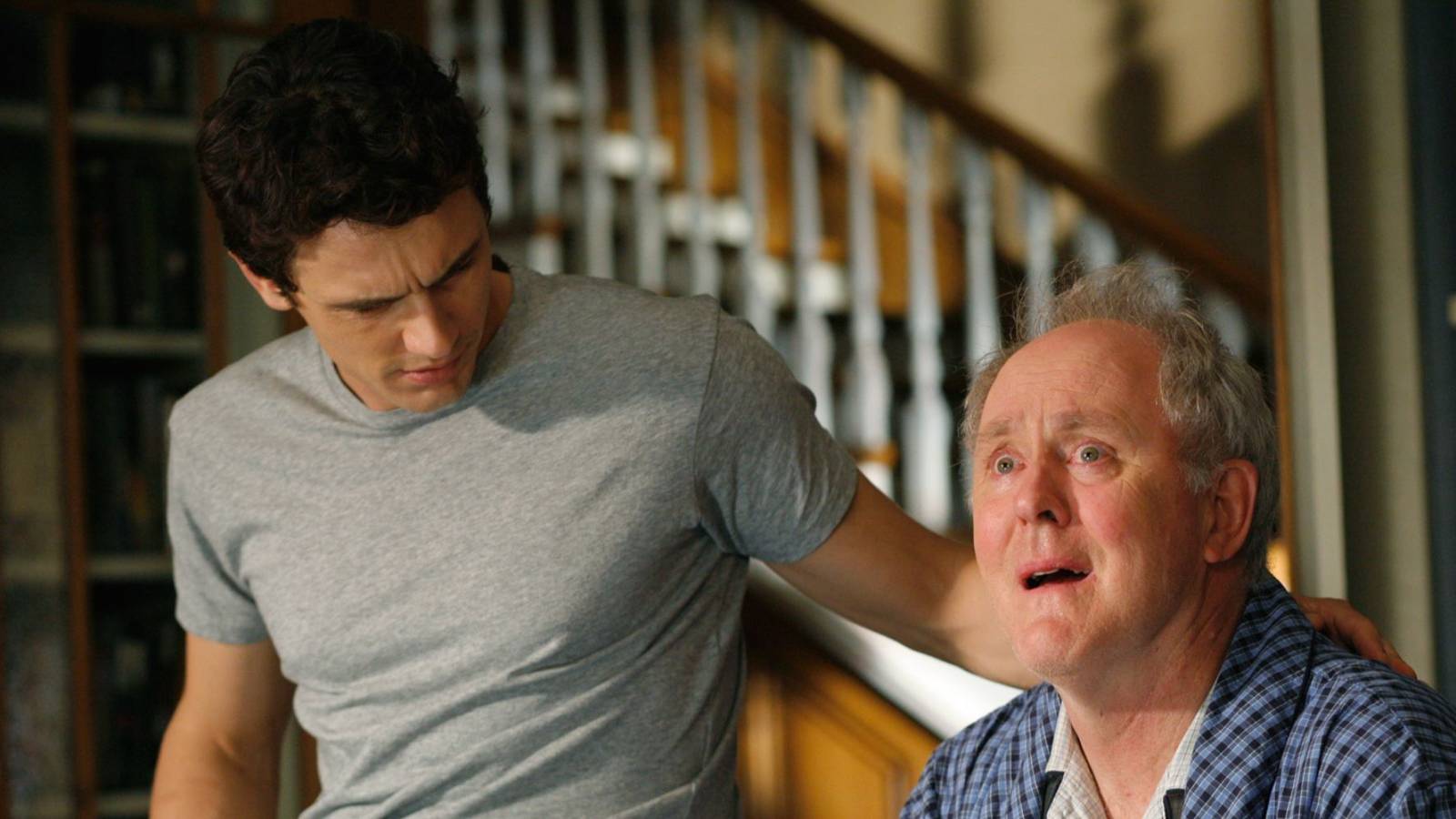
The film centered on Will Rodman (James Franco), a scientist developing a cure for Alzheimer's, motivated by his father's (John Lithgow) battle with the disease. When a test subject ape is killed, Will secretly takes in her baby, Caesar, who inherits the intelligence-boosting drug. Caesar, brought to life through Andy Serkis's groundbreaking motion-capture performance, becomes the heart of the story. He's not a monster; he's a victim of human experimentation, a being who learns compassion from Will but also witnesses the brutal mistreatment of his fellow apes. The film's genius was in making Caesar's eventual rebellion feel not just justified, but inevitable.
Why the Prequel Works
What made Rise so effective was its grounded, realistic approach. It didn't rely on campy makeup or over-the-top action. Instead, it presented a plausible scientific explanation for the apes' intelligence, drawing on real-world issues of animal testing and ethics. This groundedness made the story more compelling and set the stage for the darker, more philosophical sequels directed by Matt Reeves, Dawn of the Planet of the Apes and War for the Planet of the Apes. Those films, in turn, led to Kingdom of the Planet of the Apes, which proved the franchise could continue beyond Caesar's story.
Now, with a new prequel on the horizon for Hulu, the franchise is poised to go back to the very beginning. While details are scarce, the prospect is exciting. The original Rise was a character-driven drama that only exploded into spectacle at the end. A prequel could explore the early days of the virus, the first signs of ape intelligence, and the societal breakdown that followed. It could also delve deeper into the human characters who were caught in the middle, much like the darkest arcs of other franchises.
A New Chapter for the Franchise
The upcoming Hulu prequel is a smart move for the franchise. It allows the creators to explore new storylines without the pressure of continuing Caesar's legacy, which was so brilliantly concluded in War. It also taps into the current trend of streaming platforms reviving beloved properties, as seen with other franchise expansions. The success of Rise proved that audiences are hungry for thoughtful, character-driven sci-fi that doesn't shy away from moral complexity. A prequel set in the early days of the apocalypse could be even more compelling, showing the world on the brink of collapse.
Of course, any prequel faces the challenge of living up to the original. But if the new showrunners can capture the same blend of heart, intelligence, and spectacle that made Rise a classic, it could be a worthy addition to the saga. The original film's legacy is secure, but this new chapter has the potential to expand the mythology in exciting ways, much like other beloved franchises have done.
As we await more details, one thing is clear: the Planet of the Apes franchise is far from finished. With a new prequel on the way, it's the perfect time to revisit the original Rise and remember why this story continues to resonate. It's a tale of hubris, empathy, and the consequences of our actions—themes that are just as relevant today as they were in 2011. And with Hulu's platform, a new generation of viewers will get to experience the beginning of the end.