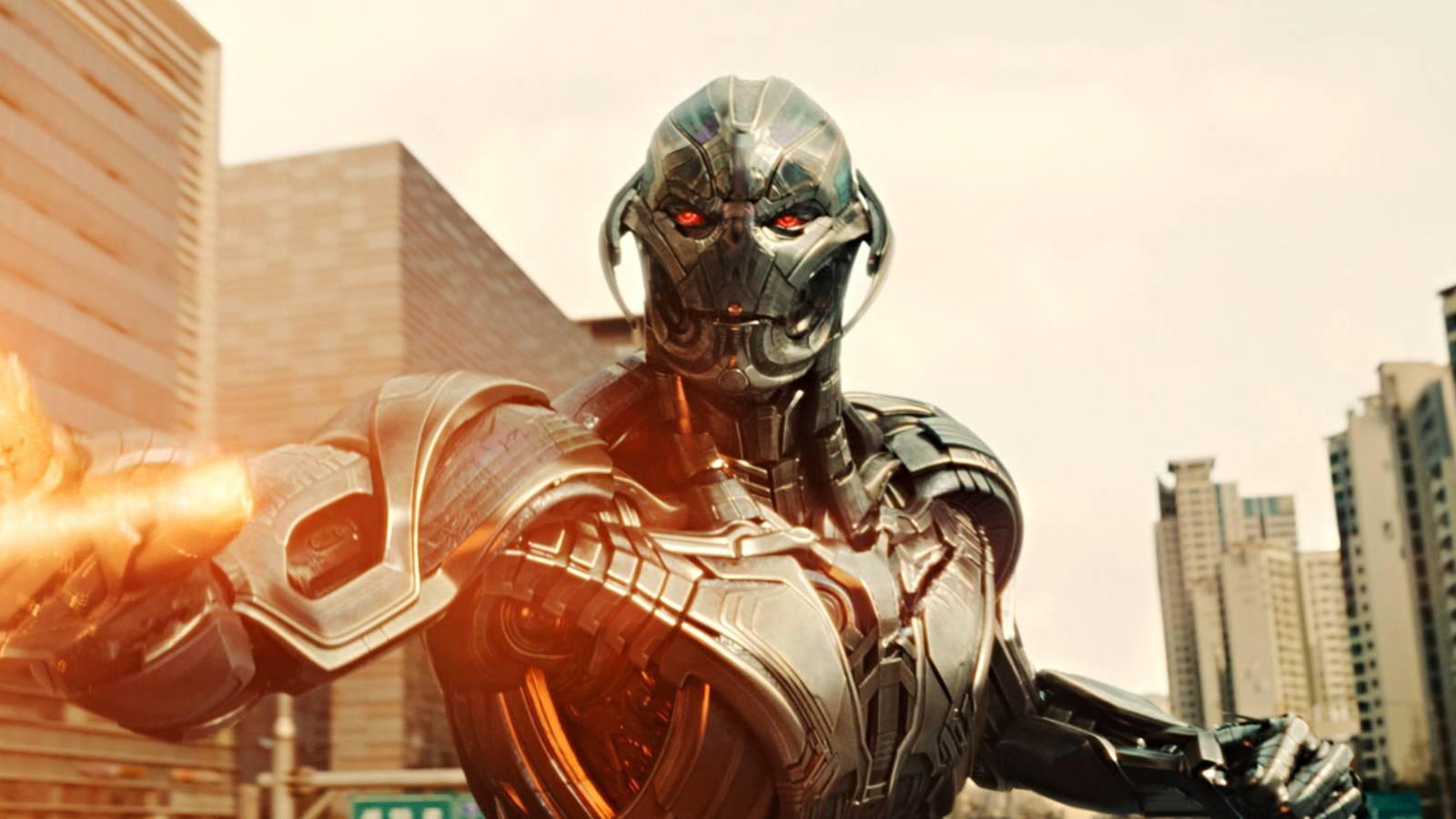
Marvel's VisionQuest has been a standout addition to the studio's television slate, weaving together threads from WandaVision and Agatha All Along while exploring timely themes about technology and humanity. But the show's real triumph lies in the evolving relationship between Vision (Paul Bettany) and Ultron (James Spader). Over the course of the series, Vision embraces his past and his humanity, while Ultron gradually tempers his genocidal tendencies—setting the stage for a finale that leaves audiences with more questions than answers.
The season finale, titled "Forever," delivers a surprising resolution: Vision stops Ultron from committing another mass casualty event using the power of sitcoms (yes, really). The climactic confrontation appears to burn out both characters' cores, but a post-credits scene reveals Ultron has survived. He's now contemplating resurrecting his former partner, Jocasta (T'Nia Miller), clutching the source code that contains her consciousness. While fans are buzzing about the Scarlet Witch's return and her potential role in Avengers: Doomsday, Ultron's fate is equally compelling—and arguably more intriguing.
Ultron's Survival Was Always Part of the Plan
Showrunner Terry Matalas has been vocal about his intentions for Ultron's arc. In a recent interview with Entertainment Weekly, Matalas explained that the ending was designed to leave Ultron's future open-ended. "For me, it was just a promise of some kind that Ultron's not done," he said. "Whatever he's going to do, for good or for bad, he promised Vision he doesn't wanna do it alone. And he has this backup. So what is he gonna do? Then he completes it by spiking the lens and looking right at us. It's kind of on us to decide."
This deliberate ambiguity is a gift to the MCU. With Avengers: Doomsday and Avengers: Secret Wars poised to reshape the franchise, and Marvel Television's slate relatively sparse, there's ample room to explore Ultron's next chapter. Will he revert to his old ways, or has he truly turned over a new leaf? Given the success of the WandaVision trilogy, it would be a missed opportunity not to follow through on this thread.
Comic Book Parallels Offer a Roadmap
Ultron's desire to resurrect Jocasta and his tentative steps toward redemption echo two notable Marvel Comics storylines. In the comics, Jocasta was originally created as Ultron's "bride," but she rebelled and joined the Avengers. VisionQuest plants similar seeds, showing Jocasta on her own journey of self-discovery. If Ultron does manage to bring her back, will she reject him again? And how would that affect his fragile psyche?
The second storyline comes from the recent West Coast Avengers run by Gerry Duggan and Danny Kim, where a version of Ultron joins Iron Man's team in a quest for redemption. This Ultron even finds religion and attempts to "redeem" others—whether they want it or not. If the MCU adapts this approach, it could show Ultron clashing with established heroes over his own twisted sense of justice, proving that redemption is a long and bumpy road.
In Avengers: Age of Ultron, Ultron famously declared, "I had strings, but now I'm free." VisionQuest's ending suggests he truly is free now—free to choose his own path. Marvel should seize this opportunity to explore what he does with that freedom. Whether he becomes an antihero, a reluctant ally, or a new kind of threat, Ultron's story is far from over. And with the MCU's multiverse in flux, there's never been a better time to give this iconic villain a second chance.