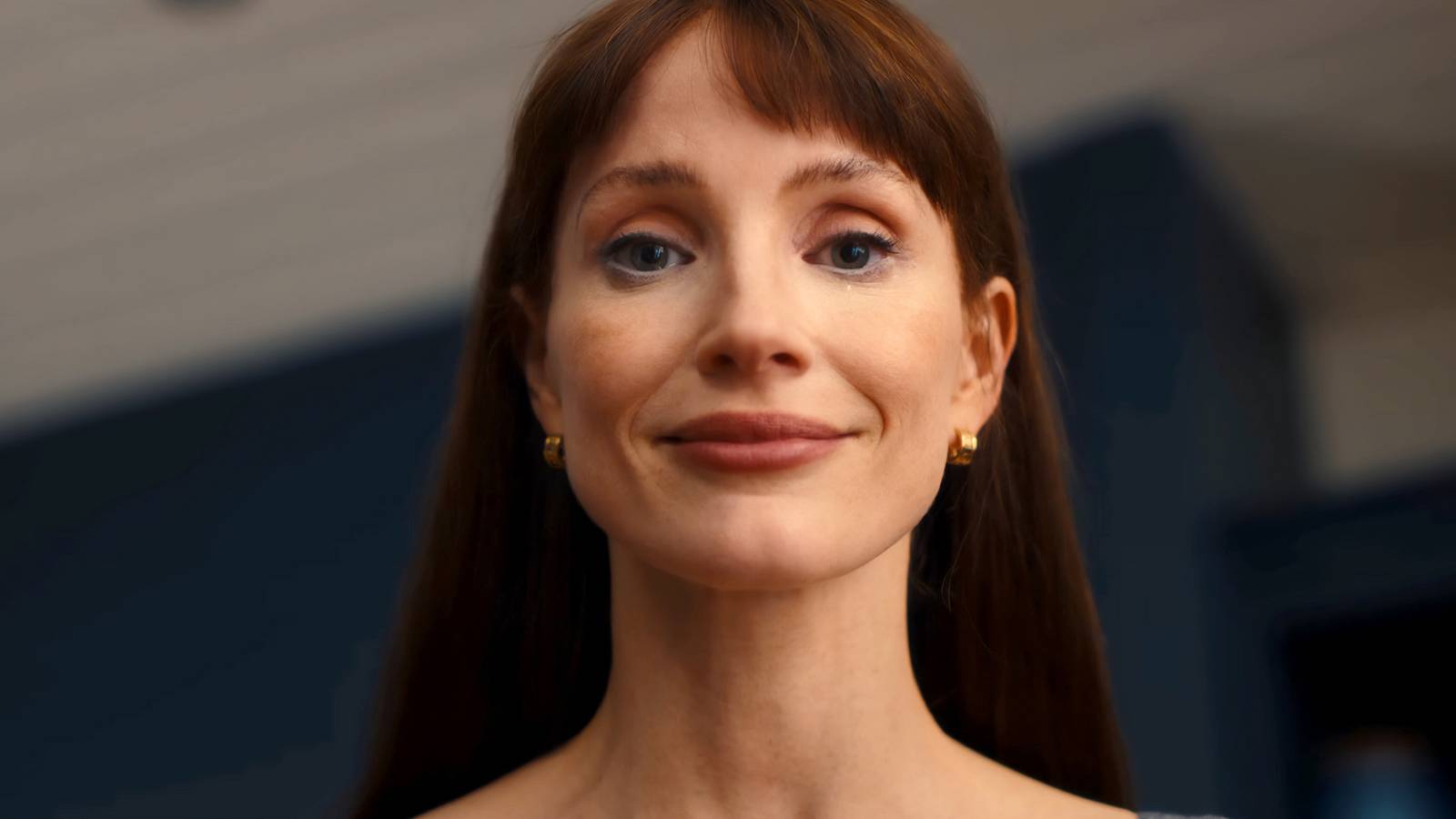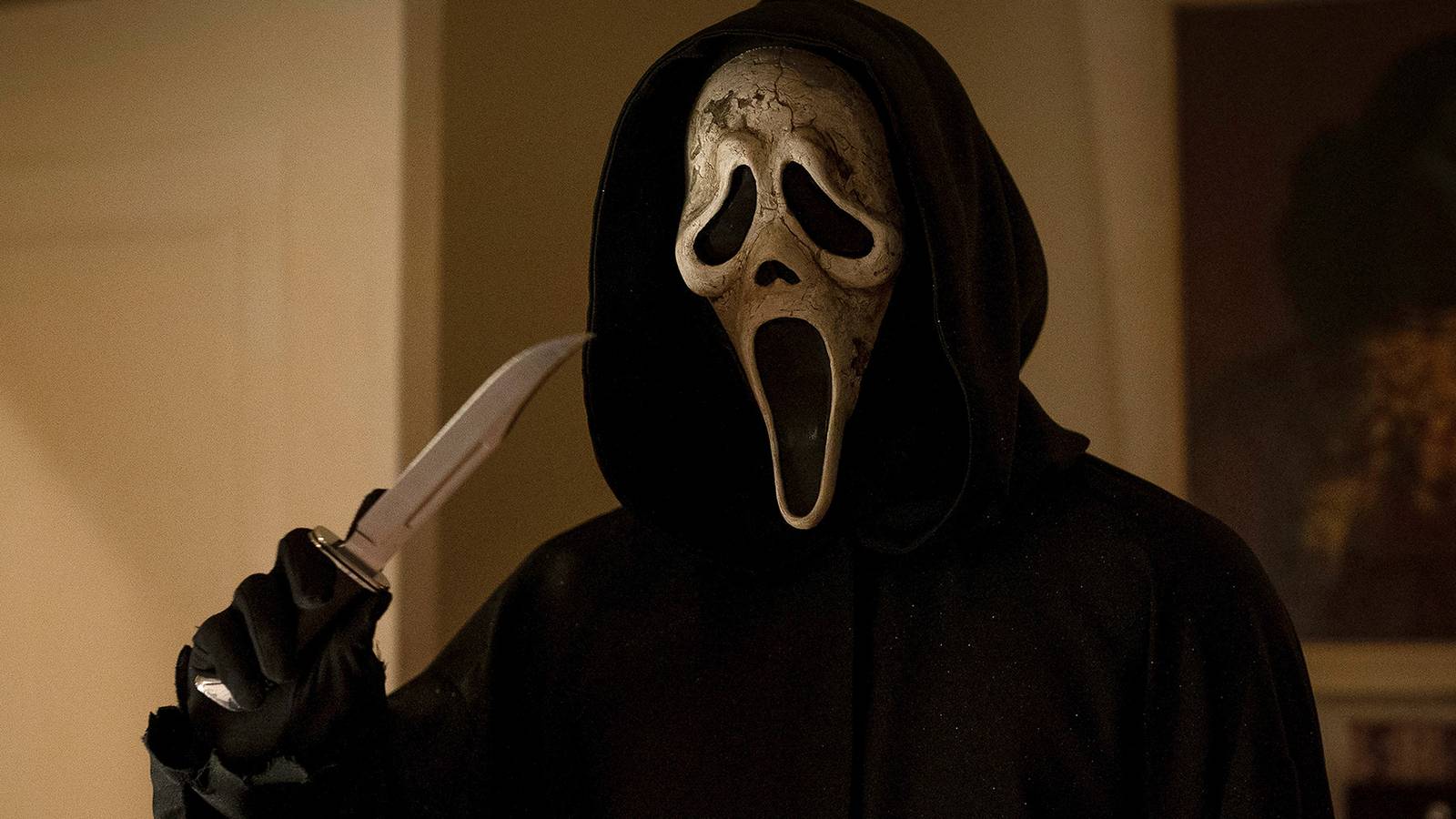
Wes Craven's Scream is a landmark film, credited with single-handedly reviving the slasher genre in the mid-90s. Its clever, self-aware humor and the iconic Ghostface created a new blueprint for horror. However, its focus on deconstructing tropes and its whodunit mystery often places the 'scare' factor secondary to the satire. For viewers craving a more traditional, visceral horror experience—one that prioritizes dread over winks to the audience—these seven films deliver scares that cut much deeper.
X (2022)
Ti West's X is a masterclass in building atmospheric dread. Set in the 1970s, it follows a group of adult filmmakers whose remote shoot in rural Texas turns into a nightmare. West expertly channels the gritty, unsettling vibe of classics like The Texas Chainsaw Massacre, creating a persistently uncomfortable environment. Unlike Scream, which often feels like a comfort watch, X offers no such relief. Its thematic exploration of aging and obsolescence adds a disturbing layer to its brutal slasher elements, making the violence feel more consequential and horrifying than Ghostface's quick stabs.
Final Destination (2000)
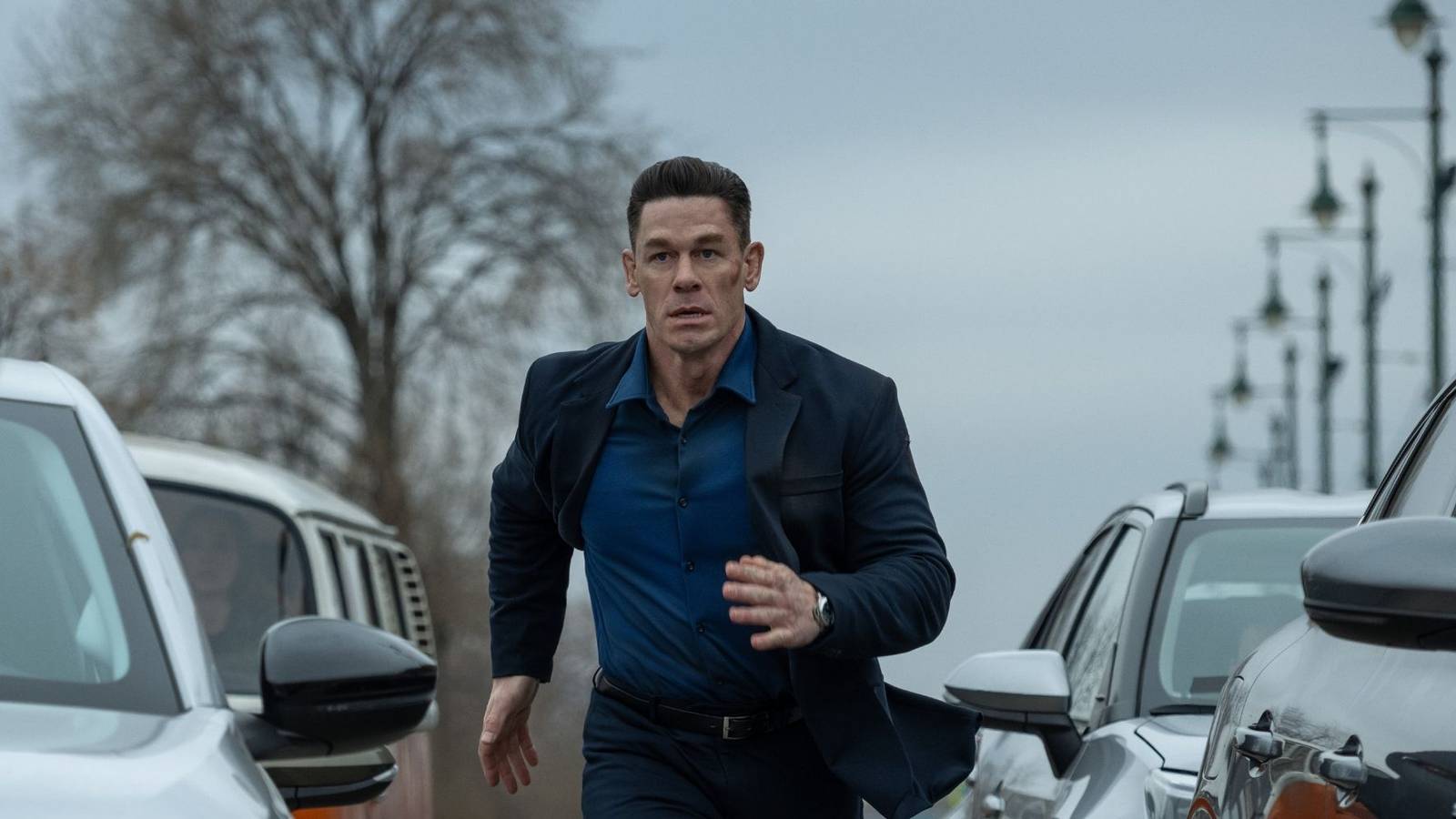
While Scream spawned many imitators, Final Destination took the teen horror premise and injected a uniquely terrifying concept: an invisible, unstoppable villain known as Death itself. The film's genius lies in its suspense; because the antagonist isn't a person you can fight, a sense of inescapable doom hangs over every scene. The elaborate, Rube Goldberg-style death sequences, using mundane environments as lethal traps, are far more inventive and gruesome than typical slasher fare. This creativity and the palpable fear of the inevitable make it a uniquely unsettling watch, even decades later. For more films that have stood the test of time, check out our list of 10 Trilogy Openers That Only Get Better With Age.
A Nightmare on Elm Street (1984)
Long before Scream, Wes Craven was pioneering horror of a different kind with A Nightmare on Elm Street. This film trades meta-commentary for profound psychological terror. By exploiting the universal vulnerability of sleep, Craven created a villain in Freddy Krueger who attacks in a realm where the rules of reality don't apply. The original film relies less on gore and more on surreal, dream-logic imagery that burrows into the subconscious. The fear it generates is primal—so potent that it famously left audiences afraid to close their eyes. This psychological toll makes Freddy a far more haunting and enduring figure of terror than Ghostface.
The Exorcist (1973)
William Friedkin's The Exorcist remains the benchmark for horror that transcends genre. Where Scream plays with conventions, The Exorcist confronts audiences with a profound assault on faith, family, and the very concept of innocence. Its horrors are not ironic but deeply visceral and spiritual. The film's relentless pacing, groundbreaking practical effects, and the sheer conviction of its performances create an experience of sustained dread that few films, Scream included, have ever matched. It's a film that aims not to entertain with cleverness, but to horrify on a fundamental level.
Hereditary (2018)
Ari Aster's Hereditary is a modern masterpiece of slow-burn, familial horror. It builds an almost unbearable tension through meticulous pacing and a focus on grief, trauma, and inherited madness. The film delivers shocking moments, but its true terror lies in the lingering atmosphere of doom and the devastating emotional breakdown of its characters. Compared to Scream's often playful tone, Hereditary offers no levity, plunging viewers into a nightmare from which there is no waking up. Its scares are psychological, emotional, and deeply, deeply unsettling.
The Descent (2005)
Neil Marshall's The Descent weaponizes claustrophobia and primal fear. Following a group of cave explorers trapped underground, the film masterfully creates terror long before any monstrous creatures appear. The crushing darkness, tight spaces, and fraying group dynamics generate suffocating anxiety. When the threats do emerge, the film becomes a relentless fight for survival in the most hostile environment imaginable. This combination of psychological and physical horror creates a more intense and primal experience than Scream's more cerebral, suburban chills.
It Follows (2014)
David Robert Mitchell's It Follows reinvents horror with a simple, brilliant premise: a slow-walking, shapeshifting entity that pursues you relentlessly after a sexual encounter. The film generates incredible dread through its constant, looming threat and ambiguous rules. The curse can be passed on, but never truly escaped, creating a pervasive sense of paranoia. The cinematography and score work in tandem to create a timeless, nightmare-like quality. Its terror is persistent and existential, offering a different kind of fear than Scream's more immediate, knife-wielding danger. For other unique horror experiences, explore our feature on Buried Treasures: 10 Flawless Horror Films Lost to Time.
In conclusion, while Scream's legacy as a genre-redefining hit is secure, its scares are often tempered by its comedic and meta instincts. The films listed above prioritize pure, unadulterated horror—whether through psychological torment, inescapable fate, atmospheric dread, or bodily terror. They remind us that sometimes, the most effective horror doesn't wink at you from behind the mask; it stares you down without blinking. For a different perspective on the franchise, don't miss our deep dive, Ghostface's Report Card: A Die-Hard Fan Ranks All 7 Scream Movies.