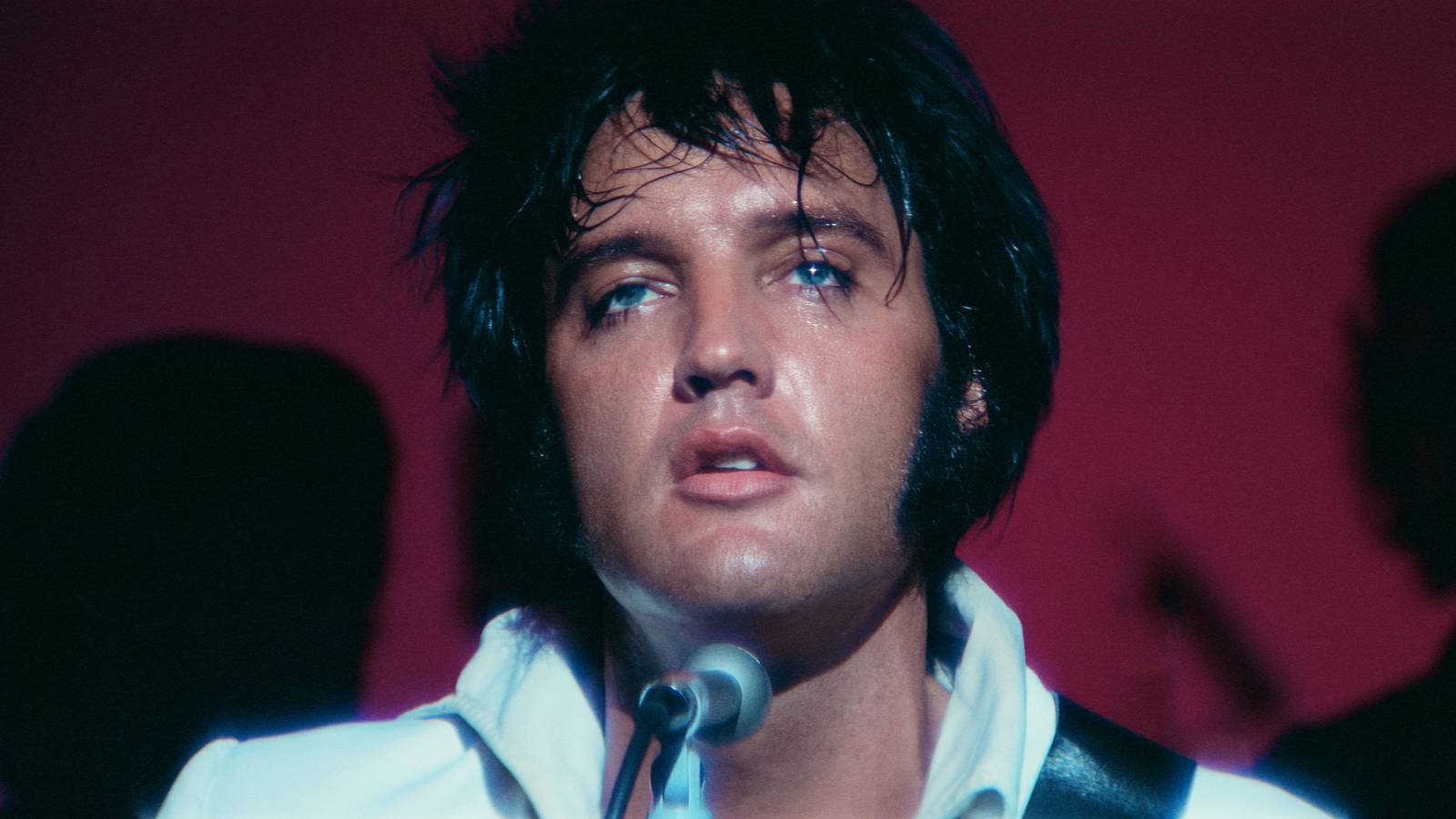
When Elvis Presley roared back onto the scene with his 1968 NBC TV special, it felt like the King had reclaimed his throne after years of Hollywood detours. But just a year later, he released a song that cut deeper than any rock anthem: "Long Black Limousine." This isn't just another heartbreak tune—it's a devastating meditation on fame's empty promises, delivered with a calm that makes it all the more haunting.
Recorded during the legendary sessions at American Sound Studio in Memphis, "Long Black Limousine" appears on Presley's 1969 album From Elvis in Memphis. These sessions also produced hits like "In the Ghetto" and marked a creative rebirth for Elvis, who had spent much of the 1960s churning out forgettable films like Stay Away, Joe and Clambake. The hunger was back, and it showed in every note.

The Story Behind the Song
Originally penned by Vern Stovall and Bobby George in the early 1960s, "Long Black Limousine" had already been covered by several country artists before Elvis made it his own. But his version is something else entirely. The arrangement builds slowly, allowing his voice to grow with the music rather than fight against it. From the opening lines—"There's a long line of mourners driving down our little street, their fancy cars are such a sight to see"—you know you're in for a story, but the emotional gut punch takes a moment to land.
The narrative follows a woman who leaves her small town chasing fame and fortune, only to return in a hearse—the titular long black limousine. The luxury vehicle, meant to symbolize success, becomes a vessel for emptiness and regret. It's a twist that turns glamour on its head.
Elvis's Empathy Makes It Timeless
What elevates "Long Black Limousine" beyond a simple cautionary tale is Elvis's performance. He doesn't oversing or force emotion; instead, he delivers the lyrics with a quiet acceptance that feels almost prophetic. By 1969, Elvis understood the isolating side of celebrity better than most. He had become one of the most famous people on Earth before turning 25, yet much of the 1960s found him trapped in a cycle of mediocre movies while the music world watched. Fame had become a prison.
The song never outright condemns success, but it focuses on the emotional cost of seeking validation elsewhere. The woman's journey mirrors Elvis's own struggles—the loneliness behind the spotlight. His empathy turns the track into something timeless, a reminder that fame doesn't shield you from pain. It's this raw vulnerability that makes "Long Black Limousine" not just his saddest song, but his most devastating.
For fans of heartbreaking ballads, this track stands alongside other gut-wrenching anthems like Chester Bennington's 'Numb' in its ability to channel personal anguish into art. And much like Nick Jonas's recent power ballad comeback, it proves that vulnerability can be a star's greatest strength.
Decades later, "Long Black Limousine" remains a chilling warning about the price of stardom—a song that feels more like a confession than a performance. It's Elvis at his most exposed, and that's exactly why it still resonates.