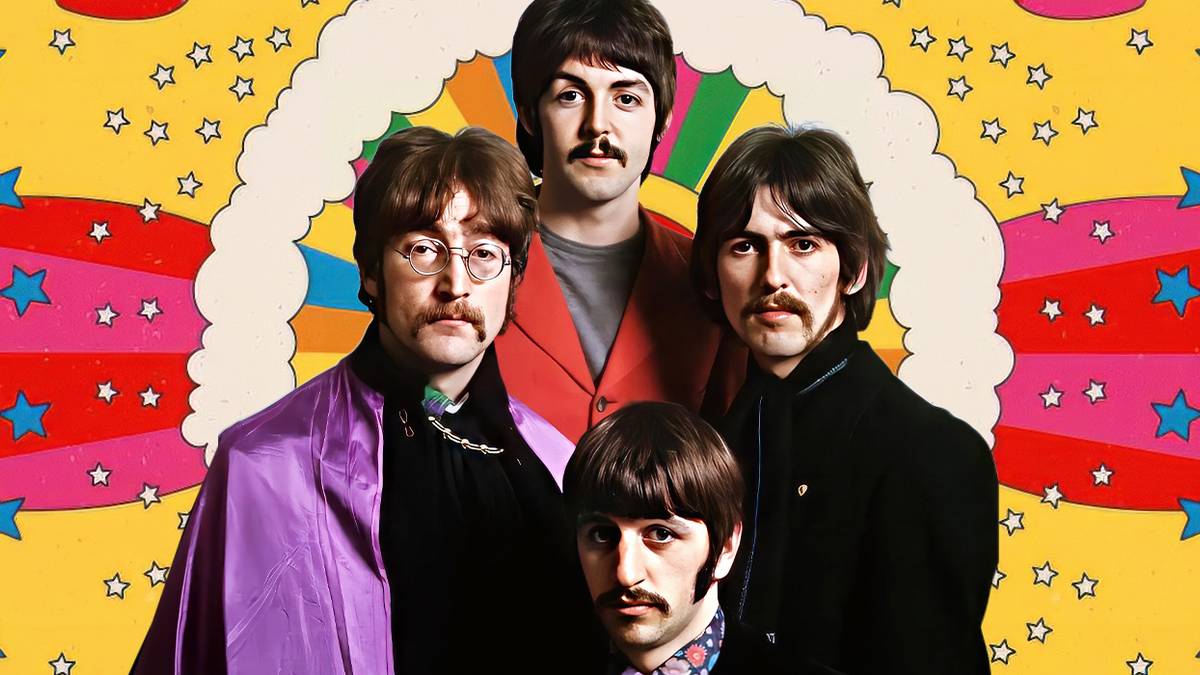
In 1967, The Beatles were at a crossroads. After retiring from touring due to chaotic shows and poor acoustics, they retreated to the studio to reinvent themselves. The result was Sgt. Pepper's Lonely Hearts Club Band, an album that redefined music. But its closing track, 'A Day in the Life,' sparked outrage and was banned by the BBC—yet it remains one of the most celebrated songs in rock history.
The Controversy That Shocked the UK
When Sgt. Pepper dropped, listeners were stunned by its psychedelic sound. Songs like 'Lucy in the Sky with Diamonds' raised eyebrows, but 'A Day in the Life' crossed a line for many. The BBC banned the track, citing the line 'I'd love to turn you on' as a drug reference. 'We have listened to it over and over again with great care,' the BBC stated, 'and we cannot avoid coming to the conclusion that the words… could have a rather sinister meaning.' The phrase 'turned on' was then slang for drug use, and the network feared its influence on youth.

John Lennon later admitted the line was a deliberate provocation, but the song's origins were far more innocent. It began as two separate pieces—Lennon's verses about a car crash death and McCartney's nostalgic middle section about his teenage mornings. When they combined them, magic happened. 'It was a good piece of work between Paul and me,' Lennon said. 'I had the “I read the news today” bit, and it turned Paul on… It just sort of happened beautifully.'
The Inspiration Behind the Lyrics
Lennon's opening lines were inspired by a newspaper article about Tara Browne, heir to the Guinness fortune, who died in a car crash. 'I read the news today, oh boy, about a lucky man who made the grade,' Lennon sang, referencing Browne's failure to notice a traffic light. The song then transitions into an avant-garde orchestral swell, followed by an alarm clock that introduces McCartney's segment: 'Woke up, fell out of bed, dragged a comb across my head.' This blend of tragedy and mundane life created a surreal masterpiece.
The BBC's ban only fueled the song's legend. Parents were outraged, but younger fans embraced it as a symbol of rebellion. Today, 'A Day in the Life' is hailed as a pinnacle of rock innovation, often appearing on lists of the greatest songs ever. Its journey from banned track to timeless classic mirrors the cultural shifts of the 1960s.
A Legacy of Provocation
The Beatles' willingness to push boundaries didn't stop there. Their later work continued to challenge norms, much like other banned works in history. For more on controversial classics, check out The Best Banned Books of All Time: A Definitive Ranking. And for more on groundbreaking music, explore Timothée Chalamet's 6 Masterpieces—though his realm is film, the spirit of artistic risk-taking is universal.
In the end, 'A Day in the Life' proves that controversy can be a catalyst for greatness. What was once deemed too dangerous for radio is now a cornerstone of rock 'n' roll, a testament to The Beatles' genius and the power of art to challenge and inspire.