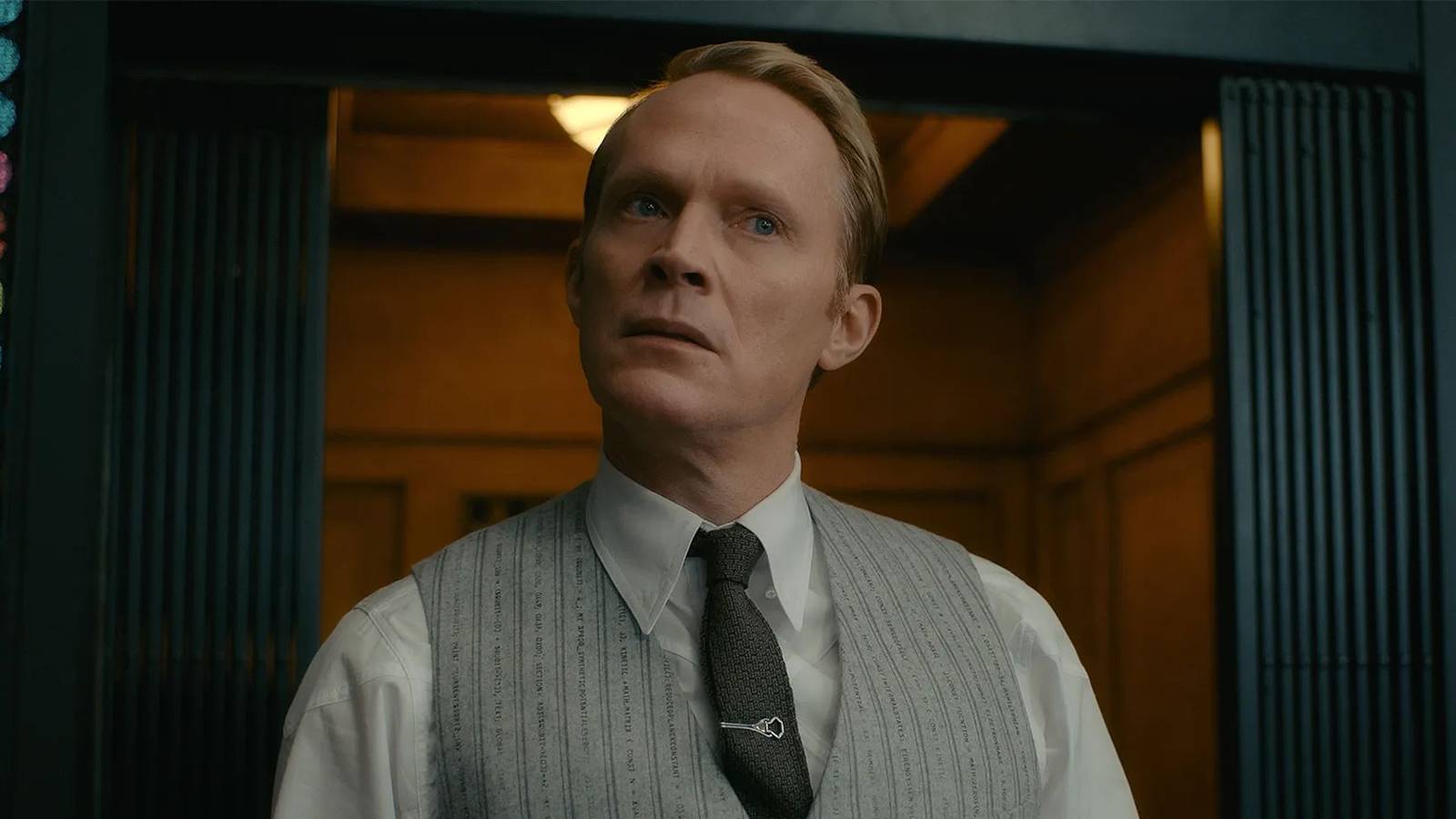
After a rocky second season that drew criticism for its pacing, House of the Dragon needed a course correction. The first two episodes of Season 3 delivered spectacular dragon battles, but the show's third episode, 'Rhaenyra Triumphant,' proves that the franchise's future lies not in spectacle, but in intimate character drama. This isn't just the best episode of the series so far—it's a blueprint for how HBO's Westeros can avoid the fatigue that plagues overexposed superhero franchises.
Based on George R.R. Martin's Fire & Blood, House of the Dragon has always faced a unique challenge: the source material is a historical chronicle, not a novel with deep internal perspectives. 'Rhaenyra Triumphant' turns that limitation into a strength by focusing entirely on Rhaenyra (Emma D'Arcy) after she seizes the Iron Throne alongside Daemon (Matt Smith). The episode never leaves King's Landing, yet it feels more expansive than any battle sequence because it finally explores what leadership actually means in this brutal world.
Rhaenyra must navigate a web of subjects, allies, and bureaucrats, making decisions that affect starving citizens and unemployed workers. The episode uses clever visual motifs—like rats overrunning the Red Keep and fleeting hallucinations of faces from her past—to externalize her inner turmoil. It's a stark reminder that power in Westeros isn't just about destiny; it's a crushing burden. This shift makes the show's goals more abstract and emotionally resonant, a far cry from the straightforward quest for the throne that defined earlier seasons.
What makes 'Rhaenyra Triumphant' so revolutionary is its willingness to slow down. In an era where streaming budgets allow for constant CGI spectacle, the episode proves that the most acclaimed moments in the Game of Thrones franchise have always been character-centric. Think of the quiet, intimate scenes before the Battle of Winterfell in the original series, or the subversive character insights in A Knight of the Seven Kingdoms. This episode follows that tradition, but goes further by being genuinely experimental—something the original show never attempted.
The episode also deepens Rhaenyra's moral complexity. Her refusal to legitimize Lord Corlys' heirs clashes with her defiance of the High Septon during her coronation. These aren't just political moves; they're ethical dilemmas that reveal the clash between personal values and governmental duty. D'Arcy's performance makes King's Landing feel like a prison, offering a fresh perspective on a location fans thought they knew inside out.
This shift couldn't come at a better time. With Corlys' potential betrayal looming and the stakes higher than ever, House of the Dragon is proving that the franchise can evolve. 'Rhaenyra Triumphant' isn't just a great episode—it's a statement that the Game of Thrones universe can tell different kinds of stories. If HBO continues down this path, the future of Westeros looks brighter than ever.