Throughout history, books have been banned for countless reasons. Some have challenged political regimes, others confronted racial injustice or religious orthodoxy, while others simply contained scenes that some people found distasteful or overly provocative. Ironically, whenever a government or institution bans a book, they're giving it a kind of backhanded compliment, treating it as something powerful enough that it deserves to be suppressed by force. With that in mind, this list looks at some of the greatest banned books of all time, from fiery political tracts to beautiful, honest coming-of-age stories.
10. 'The Complete Persepolis' (2007)
"I want to be justice, love, and the wrath of God all in one." Persepolis is a series of autobiographical comics by Iranian-French author Marjane Satrapi, chronicling her childhood during the Iranian Revolution and the years that followed. Through stark black-and-white illustrations, she explores family, identity, exile, religion, and resistance with remarkable honesty and humor. Indeed, Satrapi combines intimate autobiography with political history to present an unflinching portrait of life under authoritarian rule.
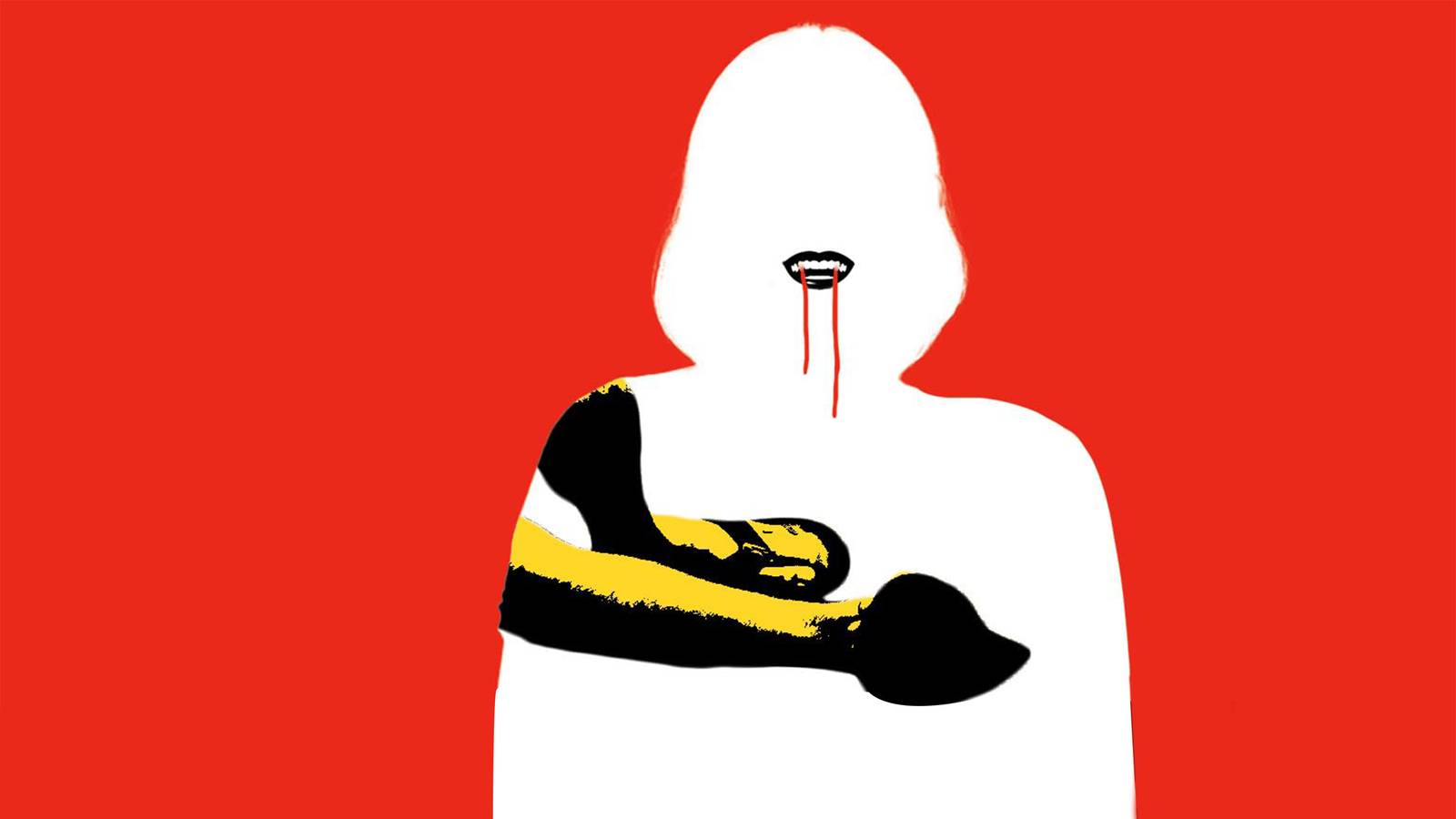
The use of the graphic novel format also adds a fascinating dimension, giving it an energy and personality that it might have lacked if it had only been made up of the written word. This is why Persepolis lent itself so well to a screen adaptation, being made into an equally brilliant animated movie released in 2007. Unsurprisingly, the book has been banned and challenged in various places, from American school systems to Iran itself, where Persepolis stands as a beautiful, moving testament against tyranny.
9. 'The Bluest Eye' (1970)
"Love is never any better than the lover." This is one of the most celebrated novels by Toni Morrison, and yet it's also one of the most frequently challenged novels in American schools. Set during the Great Depression, The Bluest Eye centers on Pecola Breedlove, a young Black girl who desperately wishes for blue eyes, believing they would finally make her beautiful and worthy of love in a society shaped by racism. Through the character, Morrison confronts subjects that many readers find profoundly uncomfortable, including prejudice, sexual violence, abuse, poverty, and internalized self-hatred.
These difficult themes have repeatedly made the novel the target of censorship campaigns, yet they are inseparable from its artistic merits. As recently as 2024, a Texas school district banned The Bluest Eye. In general, however, critics hold the book in high regard these days (though it wasn't warmly received on release). Morrison won the 1993 Nobel Prize in Literature, more than 20 years after the novel came out.
8. 'Looking for Alaska' (2005)
"So I go to seek a Great Perhaps." Looking for Alaska was the debut novel by John Green, the YouTuber and author of The Fault in Our Stars. Drawing on some of Green's own experiences, it follows Miles "Pudge" Halter after he enrolls at a boarding school, where he forms close friendships with a group of classmates led by the brilliant, unpredictable, and deeply troubled Alaska Young. Although the novel contains romance, humor, and coming-of-age experiences, its emotional core lies in its exploration of grief, guilt, mental health, and the search for meaning after tragedy.
It's a great book, a true classic of modern YA fiction. However, many people have also objected to Looking for Alaska. According to the American Library Association, it was the fourth-most-challenged book in the United States between 2010 and 2019, as well as the second-most-banned book in public schools between 2021 and 2021. Much of this is due to a sex scene in the novel that these censors clearly find objectionable.
7. 'Maus' (1980-1991)
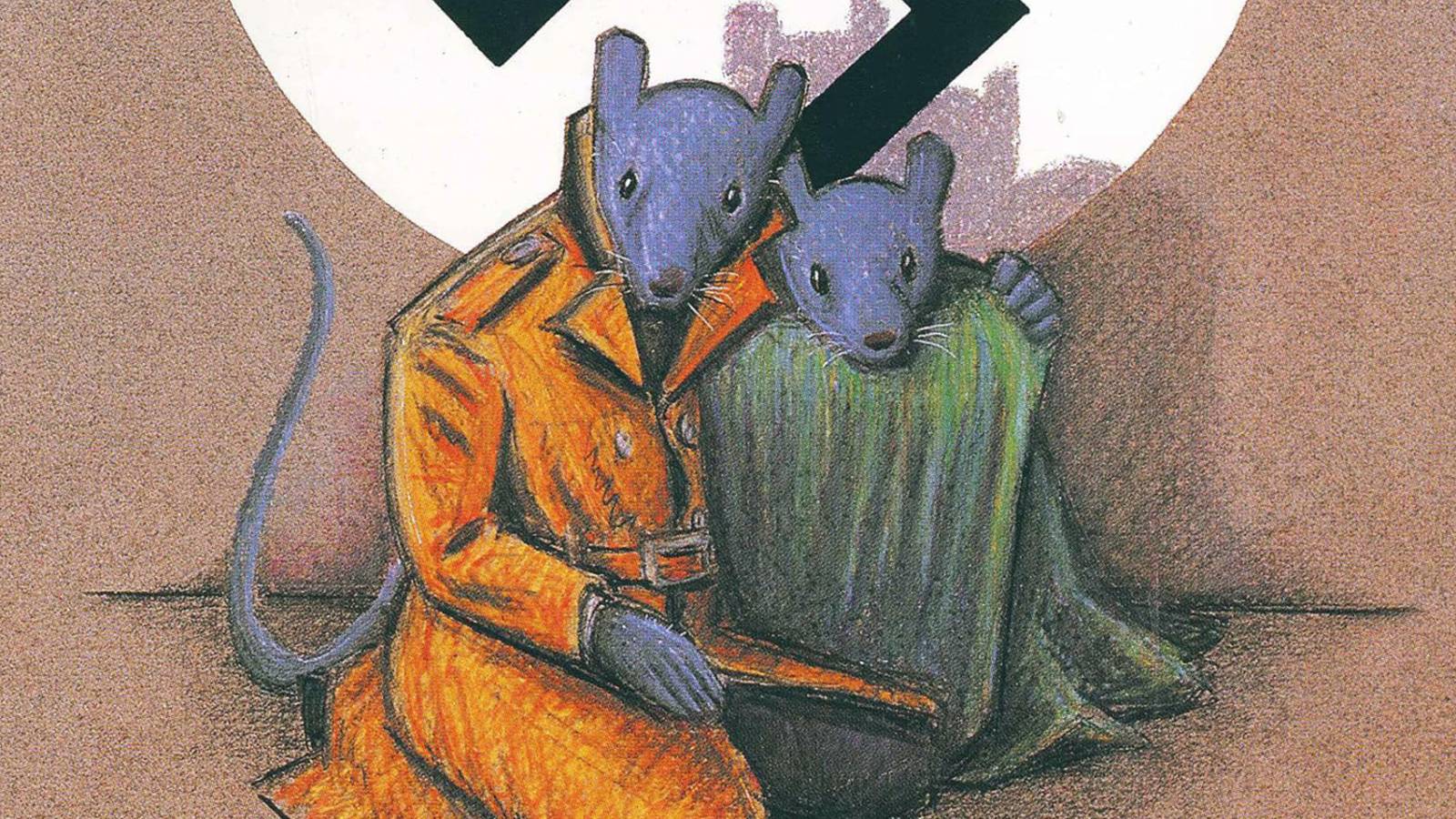
"I wanted to tell the story the best way I could." Another groundbreaking graphic novel, Art Spiegelman's Maus revolutionized its medium and delivered one of the most powerful accounts of the Holocaust ever written. Blending biography, autobiography, and historical testimony, it recounts the experiences of Spiegelman's father, Vladek, as a Polish Jew who survived Nazi concentration camps. Jews are depicted as mice, Germans as cats, and other nationalities as different animals.
Along the way, Spiegelman also examines his own complicated relationship with his father, demonstrating how trauma echoes across generations long after wars have ended. Winner of a Pulitzer Prize, Maus permanently expanded perceptions of what graphic literature could accomplish. Nevertheless, it, too, has been banned in many school districts as recently as 2023. In response, the author once joked that schools wanted "a kinder, gentler, fuzzier Holocaust" to teach to children.
6. 'The Power of the Powerless' (1978)
"Living within the truth." The Power of the Powerless is an immensely influential political essay by Czech poet, dissident, and eventual president Václav Havel. It's a brilliant piece of work, revealing a lot about life in Czechoslovakia under Communist rule while, in the process, raising broader points about how tyranny operates. Havel's central point in it is that authoritarian governments maintain control not only through force but also through everyday acts of conformity performed by ordinary citizens.
Indeed, the author argues that genuine political change begins when individuals refuse to participate in lies imposed by the state. That's a powerful message with timeless appeal, and one that understandably ranks (perhaps even terrifies) authoritarians everywhere. As a result, The Power of the Powerless was banned in Czechoslovakia and several other Eastern Bloc countries, with citizens forced to spread it around in secret under the threat of severe punishment.