For decades, the horror genre was often seen as a boys' club, but visionary female directors have been quietly—and sometimes loudly—redefining fear on a global scale. Thanks to trailblazers like Julia Ducournau (Raw) and Jennifer Kent (The Babadook), the industry has finally woken up to the fact that women can craft some of the most unsettling, thought-provoking horror cinema out there. But long before the recent wave, international female directors were already delivering bone-chilling tales that deserve a spotlight.
Here's a look at eight international horror movies directed by women that prove terror knows no borders—and no gender.
Italy: The Shadow Within (2007)
Director Silvana Zancolò crafts a slow-burn ghost story set during World War I. The film follows Marie and her young son Maurice, who appears to communicate with his deceased twin brother. Shot in eerie shadows and quiet corners, this Italian gem prioritizes atmosphere over jump scares. While the CGI shows its low budget, the mother-son relationship and the film's meditation on grief and the afterlife make it a haunting watch.
Romania: Blood and Chocolate (2007)
German director Katja von Garnier takes us to Bucharest for a romantic horror about werewolves. Agnes Bruckner plays Vivian, a chocolate shop employee with a secret: she's a lycanthrope. When a graphic artist named Aiden (Hugh Dancy) arrives to research werewolves, sparks fly—and claws come out. This visually sumptuous film swaps vampires for furries and delivers a sensual, Gothic love story with plenty of bite.
South Korea: The Uninvited (2003)
Lee Soo-yeon's directorial debut is a mind-bending ghost story that plays with memory and trauma. After discovering two dead girls on a train, Kang Jung-won seeks help from a narcoleptic psychic. The film's reveals are masterfully handled—especially a scene where the ghosts sit suspended backward at a kitchen table. It's a weird, wild ride that burrows deep into the psyche.
Japan: Organ (1996)
Kei Fujiwara's Organ is a precursor to the torture-porn subgenre, following two cops who go undercover to bust a Yakuza-run organ-harvesting ring. The film is a phantasmagorical, blood-soaked journey through Tokyo's underworld, with bold visuals replacing exposition. Fujiwara doesn't flinch from the horror, making a grim point about the dehumanization of the black-market organ trade.
France: Trouble Every Day (2001)
Claire Denis brings New French Extremity to the fore with this psychosexual body horror. The film explores desire, repression, and aggression through a couple whose honeymoon takes a violent turn. With explicit imagery and a haunting score, Denis challenges viewers to confront the monstrous side of love. It's not for the faint of heart, but it's a landmark of transgressive cinema.
More Global Frights
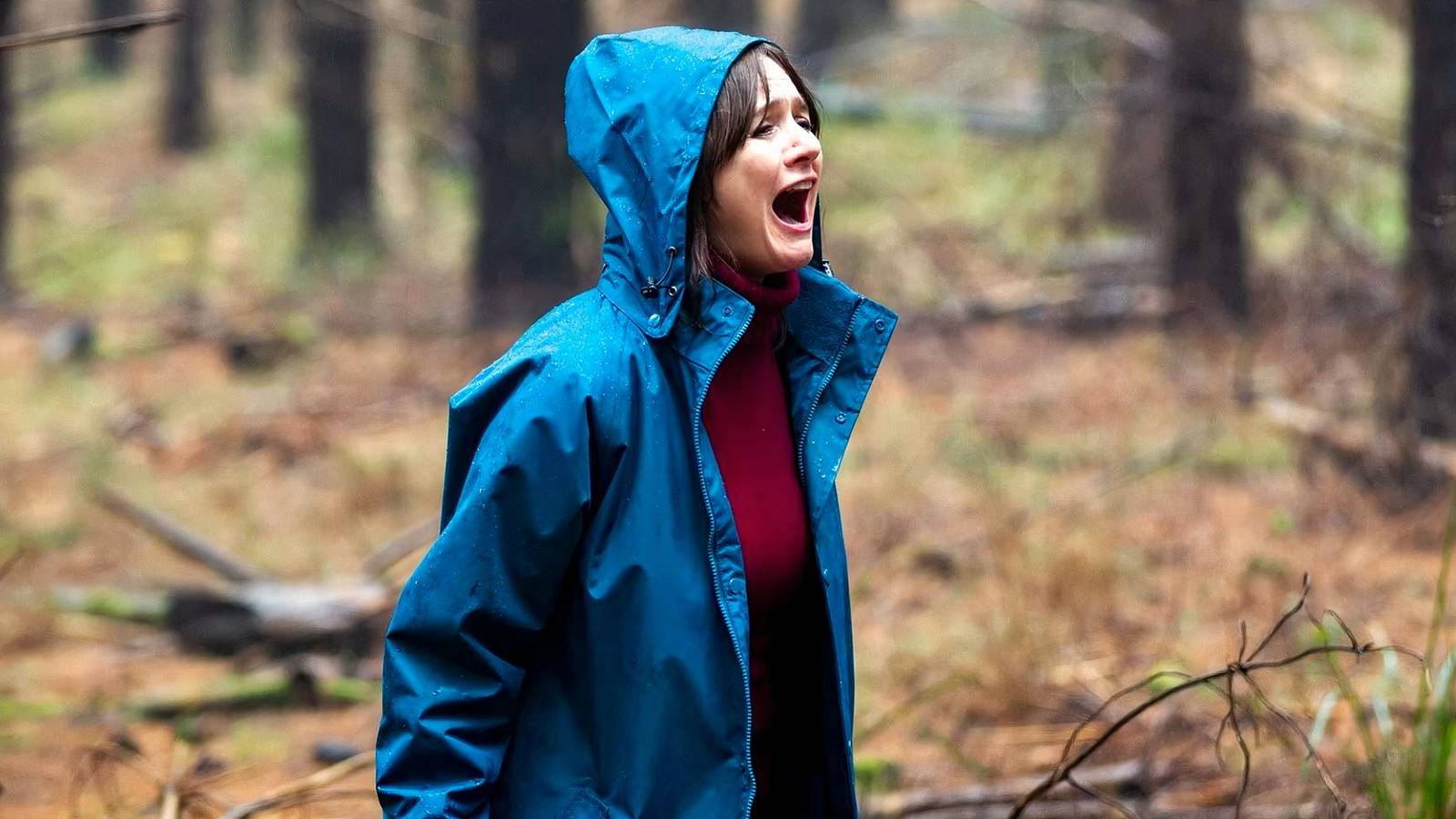
While these five films are essential, the list doesn't end there. Relic (Australia) by Natalie Erika James is a deeply moving horror about dementia and family. The Night House (USA) by David Bruckner—though not international—shows how female-led horror continues to evolve. For fans of indie horror that punches above its weight, check out how this indie horror masterpiece made 100x its budget in 10 days.
And if you're looking for more international scares, don't miss Death Note's 100% RT score: why this Netflix fantasy horror still haunts 20 years later.
These directors prove that horror is a universal language—and women are speaking it fluently. Whether you're into ghost stories, werewolves, or body horror, there's a chilling international film directed by a woman waiting to haunt you.