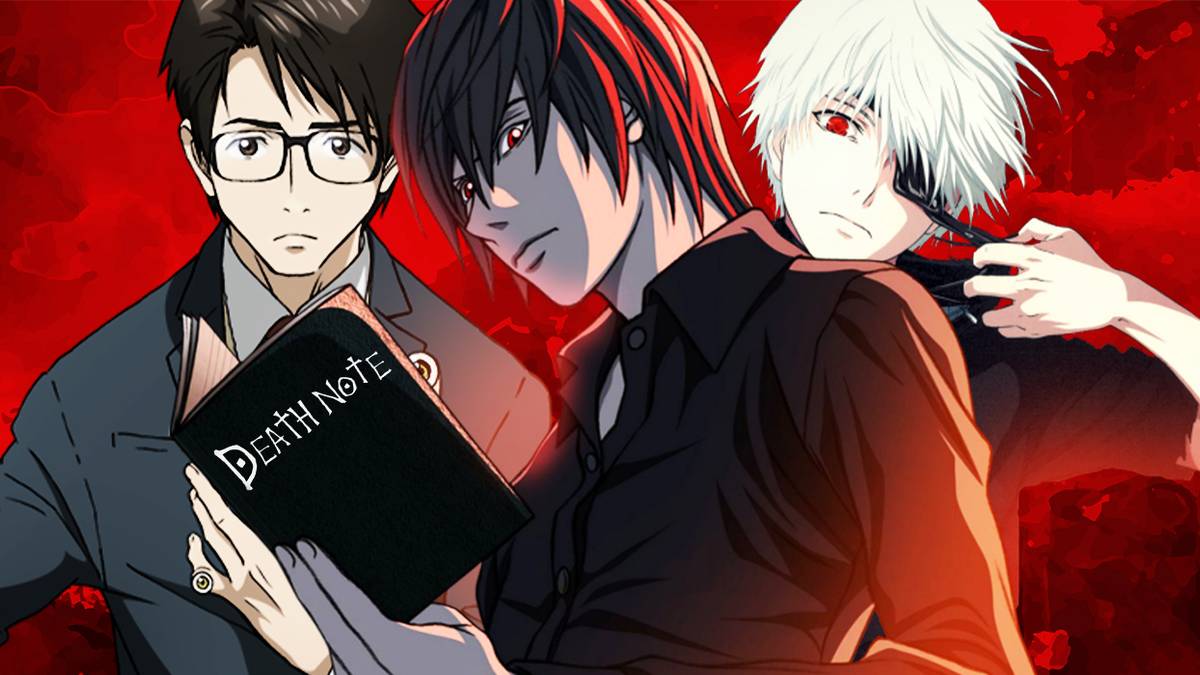
Most fantasy horror series collapse under the weight of their own mythology, drowning in prophetic speeches and glowing symbols. But Death Note, now streaming on Netflix, only grows more dangerous as it unfolds. What begins as a supernatural gimmick—a killer notebook—mutates into a nasty psychological duel where every conversation feels like two people calculating whether the other deserves to survive the week.
The series follows Light Yagami, an elite student who discovers a Death Note dropped by the bored death god Ryuk. Write a name while picturing a face, and that person dies. Light quickly realizes he can kill anyone, and he starts redesigning society like an honor student with divine powers. But when criminals begin dying under impossible circumstances, the police bring in the mysterious detective L. The show becomes a deeply stressful chess match between two men who are far too smart, far too paranoid, and absolutely incapable of existing in the same room without mentally trying to bury the other alive.
Why Death Note Still Hits Hard 20 Years Later
Part of the series' enduring power is that it never pretends Light was an innocent kid tragically corrupted by power. His superiority complex was already there from Episode 1; the notebook just handed him a god complex with better office supplies. The real horror comes from watching Light believe himself—and watching society embrace him. As crime drops and public support for Kira (Light's pseudonym) grows, the series asks uncomfortable questions about authoritarianism and fear. It understands something ugly about human nature: plenty of people claim to fear absolute power until someone promises to use it against the "right" targets.
This moral complexity keeps Death Note from becoming empty shock entertainment. It's a deeply cold character study about intelligence, ego, and the terrifying ease with which someone can start believing they deserve absolute authority. The notebook matters, but the far worse discovery is realizing how ready Light was to use it the second it was handed to him.
The Psychological Warfare of Small Details
Death Note weaponizes the smallest details. A delayed reaction during a conversation suddenly feels dangerous. A hidden note inside a drawer carries the emotional weight of a bomb countdown. Episode 8, "Glare," contains an infamous potato chip sequence where Light turns snacking into an act of psychological warfare while investigators monitor him from hidden cameras. A few episodes later, "Doubt" makes a scene between Light and L feel like a public execution wrapped inside a school activity. The series generates unbearable pressure through eye contact, delayed reactions, and awkward silences—while most thrillers are still blowing up buildings to get the audience's attention.
The relationship between Light and L is what keeps the series humming. They are enemies almost immediately, but there's a strange fascination between them because they've finally encountered someone capable of matching wits on equal footing. Their scenes carry constant underlying hostility where every casual sentence feels loaded with invisible knives. Neither can fully trust the other, but neither can fully disengage. Meanwhile, Ryuk mostly hangs around eating apples and watching humanity destroy itself like an immortal gremlin who accidentally wandered into the world's most stylish nervous breakdown.
For fans of psychological thrillers, Death Note offers a cat-and-mouse game as sinister as any live-action thriller—similar to the tension in Netflix's I Came By. And like the best fantasy horror, it explores the fragility of democracy and the seduction of authoritarian power, themes also examined in Netflix's Hitler and the Nazis: Evil on Trial.
Twenty years after its premiere, Death Note is still finding new generations of viewers—and its perfect 100% Rotten Tomatoes score is well deserved. Underneath the supernatural premise is a deeply cold character study about intelligence, ego, control, and the terrifying ease with which someone can start believing they deserve absolute authority over other human lives.