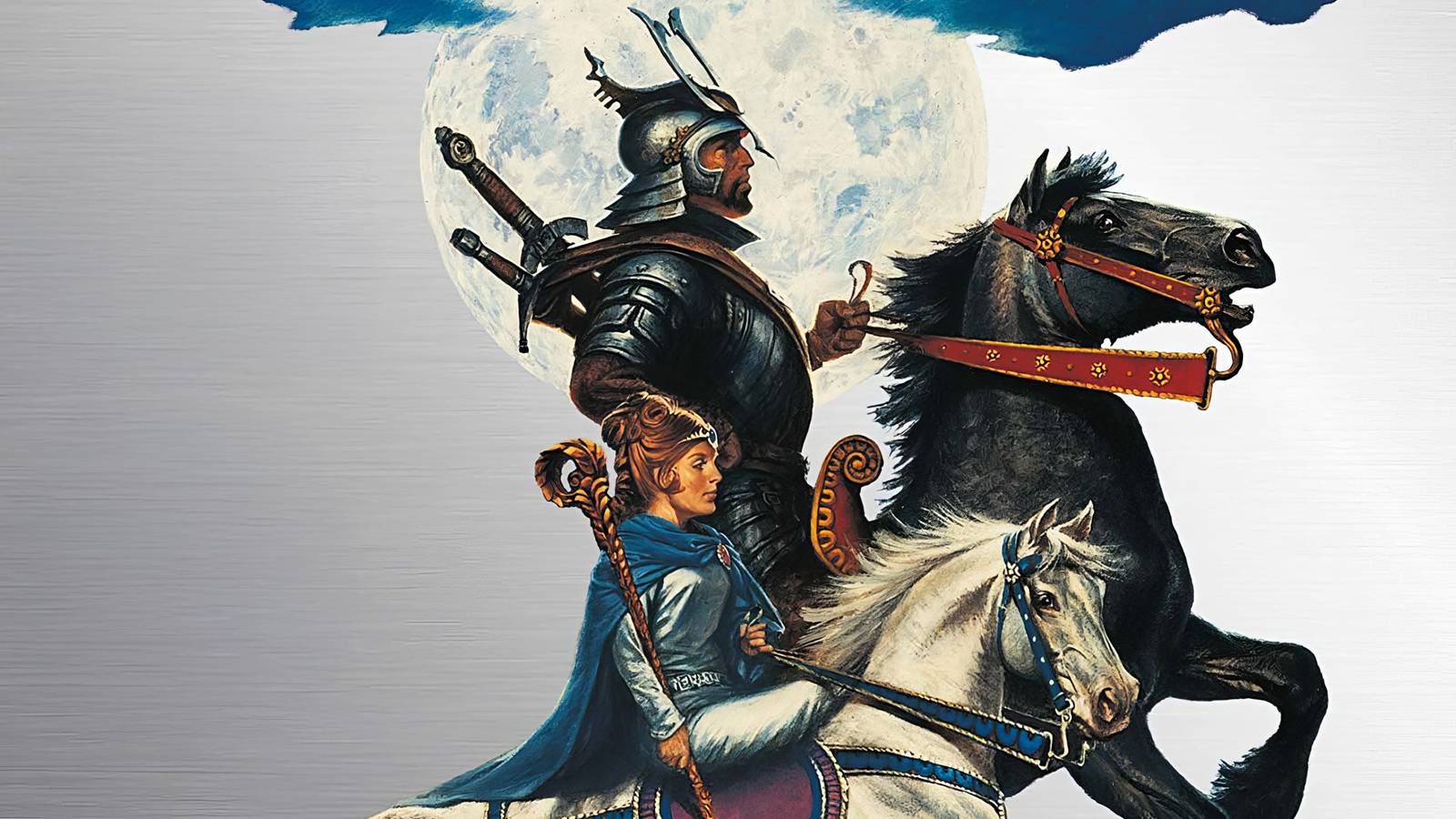
Worldbuilding can make or break a fantasy novel. When done poorly, it leaves readers confused or bored. But when done right, it transports you to a place so vivid you can almost smell the dragon smoke and hear the tavern chatter. The best fantasy authors don't just tell a story—they build a universe you want to live in.
We've ranked the 10 greatest fantasy books with the most immersive worldbuilding. These aren't just tales; they're fully realized worlds that feel as real as our own. From ancient Egypt-inspired djinn politics to a flat planet carried by elephants, these novels prove that imagination has no limits.

10. The City of Brass (2017)
Shannon Chakraborty's debut novel takes a refreshing detour from medieval Europe. Set in 18th-century Cairo, it draws heavily from Middle Eastern mythology. The worldbuilding shines through its intricate djinn society, divided into tribes with their own cultures and political intrigues. It's a masterclass in low fantasy that makes the real world feel magical.
9. The Colour of Magic (1983)
Terry Pratchett's Discworld is a flat planet balanced on four giant elephants, who stand on a cosmic turtle. Yes, it's absurd—and that's the point. This satirical masterpiece uses its ridiculous premise to skewer fantasy tropes. The first book in the series introduces magic as a chaotic force and sets the stage for over 40 books of comedic brilliance.
8. The Eye of the World (1990)
Robert Jordan's The Wheel of Time series begins with an adventure that feels like a road trip through a richly detailed world. Set thousands of years in Earth's future, it follows the search for the Dragon Reborn. The first book excels at worldbuilding by showing rather than telling, introducing mythical beings, shadowy ruins, and diverse cultures without overwhelming the reader.
7. Assassin's Apprentice (1995)
Robin Hobb's Realm of the Elderlings is a shared universe spanning multiple trilogies. What makes its worldbuilding exceptional is how naturally it unfolds. Readers learn about dragons, magic, and politics only as the protagonist does. No info dumps—just organic discovery that keeps the story moving.
6. Deltora Quest (2000)
Emily Rodda's series is an 800-page epic that follows a blacksmith's son on a quest to restore a magical belt. The world of Deltora is packed with unique creatures, treacherous landscapes, and a deep history. Though aimed at younger readers, its worldbuilding is sophisticated enough to captivate adults. It even got an anime adaptation in the mid-2000s.
These books prove that great worldbuilding isn't about complexity—it's about coherence. Whether you're exploring the political machinations of djinn or the absurd physics of Discworld, the best fantasy worlds feel lived-in and logical. For more immersive reads, check out our ranking of every ring in Lord of the Rings or dive into fantasy anime that push worldbuilding boundaries.
Worldbuilding is the foundation of great fantasy. These 10 books don't just build worlds—they build worlds you'll never want to leave.