If you've been searching for a series that captures the same tension and moral complexity as HBO's Chernobyl, look no further than Netflix's The Days. This eight-episode Japanese miniseries dives deep into the 2011 Fukushima Daiichi nuclear disaster, presenting a raw, fact-based account of the crisis that unfolded after a massive earthquake and tsunami struck Japan.
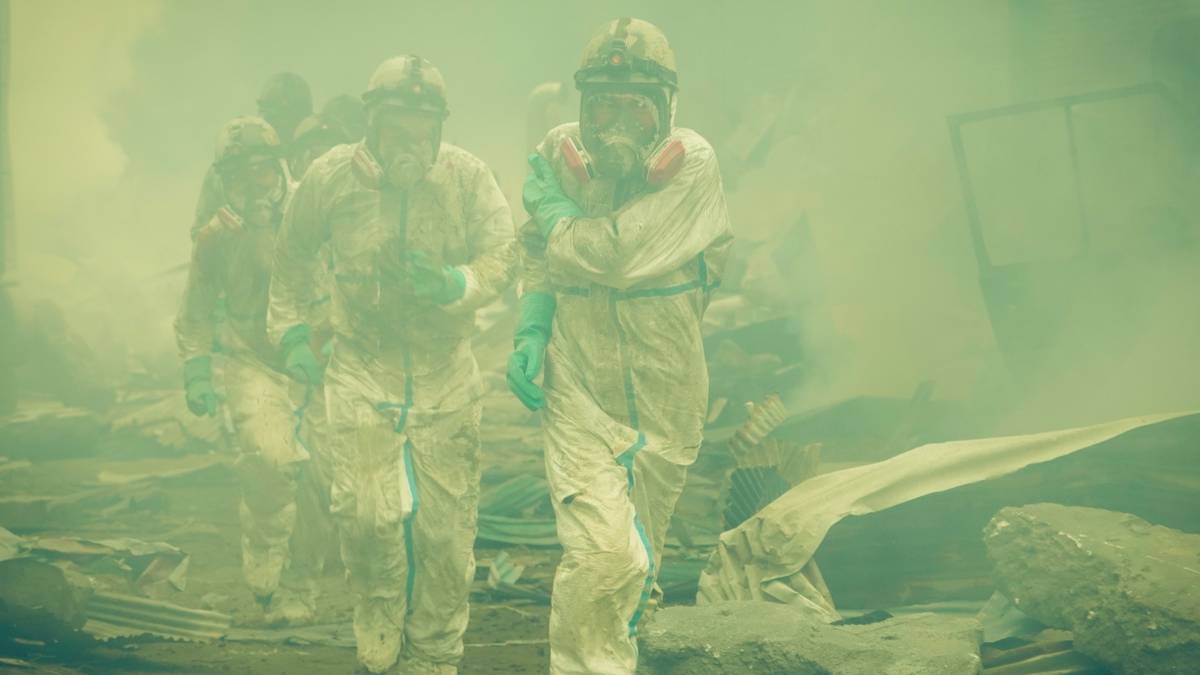
Set between March 12 and 15, 2011, The Days follows station manager Masao Yoshida (played by Koji Yakusho) and his team as they battle to prevent a catastrophic meltdown. When the Tohoku earthquake—the most powerful ever recorded in Japan—triggered a tsunami that knocked out the plant's diesel generators, a blackout left the cooling pumps useless. The workers faced an impossible choice: flee to safety or stay and risk their lives to contain the reactors.
A Story of Choices and Consequences
At its heart, The Days is about the small, often conflicting decisions that define a tragedy. Yoshida, along with his deputy Kinoshita (Takuma Otoo) and shift supervisor Maekawa (Yutaka Takenouchi), must navigate a moral dilemma between self-preservation and the greater good. The series doesn't shy away from showing the chaos and lack of preparedness that exacerbated the crisis, both on the ground and at the highest levels of government.
Prime Minister Azuma (Fumiyo Kohinata) is depicted as surrounded by advisors who offer little real help, highlighting how incompetence at the top failed to prevent the disaster from escalating. Meanwhile, the workers on the front lines demonstrate remarkable resilience, eventually achieving minor victories that prevented a catastrophe even worse than Chernobyl.
Raw Facts and Human Helplessness
What sets The Days apart is its commitment to accuracy. The series presents technical jargon and data without dumbing it down, risking losing some viewers but gaining a realism that avoids overt dramatization. This approach feels especially appropriate given the recency of the Fukushima disaster—many viewers still remember the event vividly, and the series offers details that were previously unknown to the public.
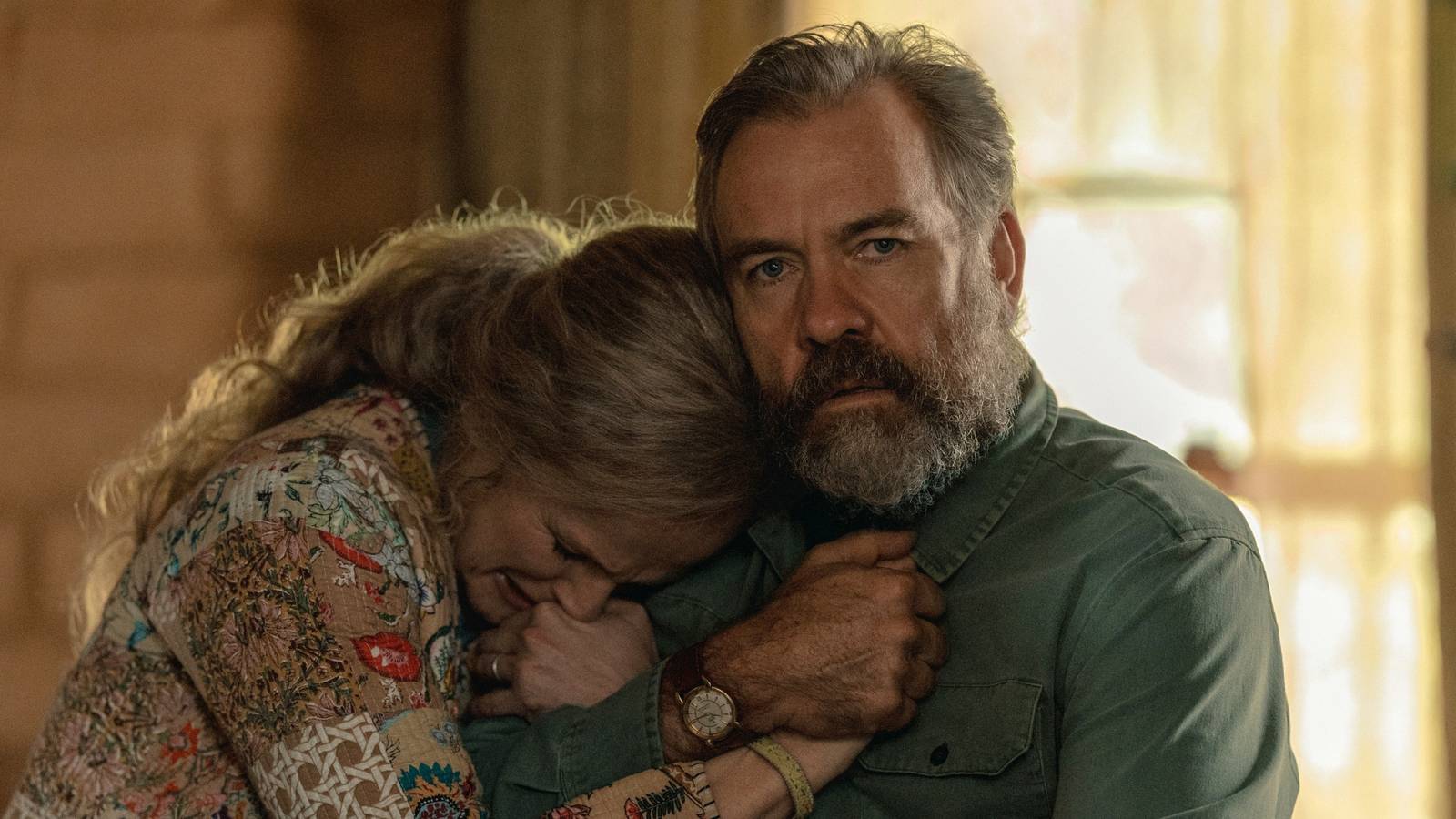
The miniseries also captures the helplessness that enveloped the region. It doesn't just focus on the plant workers; it also touches on those on the periphery, such as the family of a worker who succumbs to the tragedy. By the end, The Days becomes a tale of human hope in the face of overwhelming odds, showing how a handful of individuals can make a difference when the stakes are life and death.
For fans of disaster dramas and flawless sci-fi thrillers, The Days offers a grounded, emotional experience. It's a must-watch for anyone interested in Netflix's growing library of international content and the real stories behind history's worst nuclear accidents.