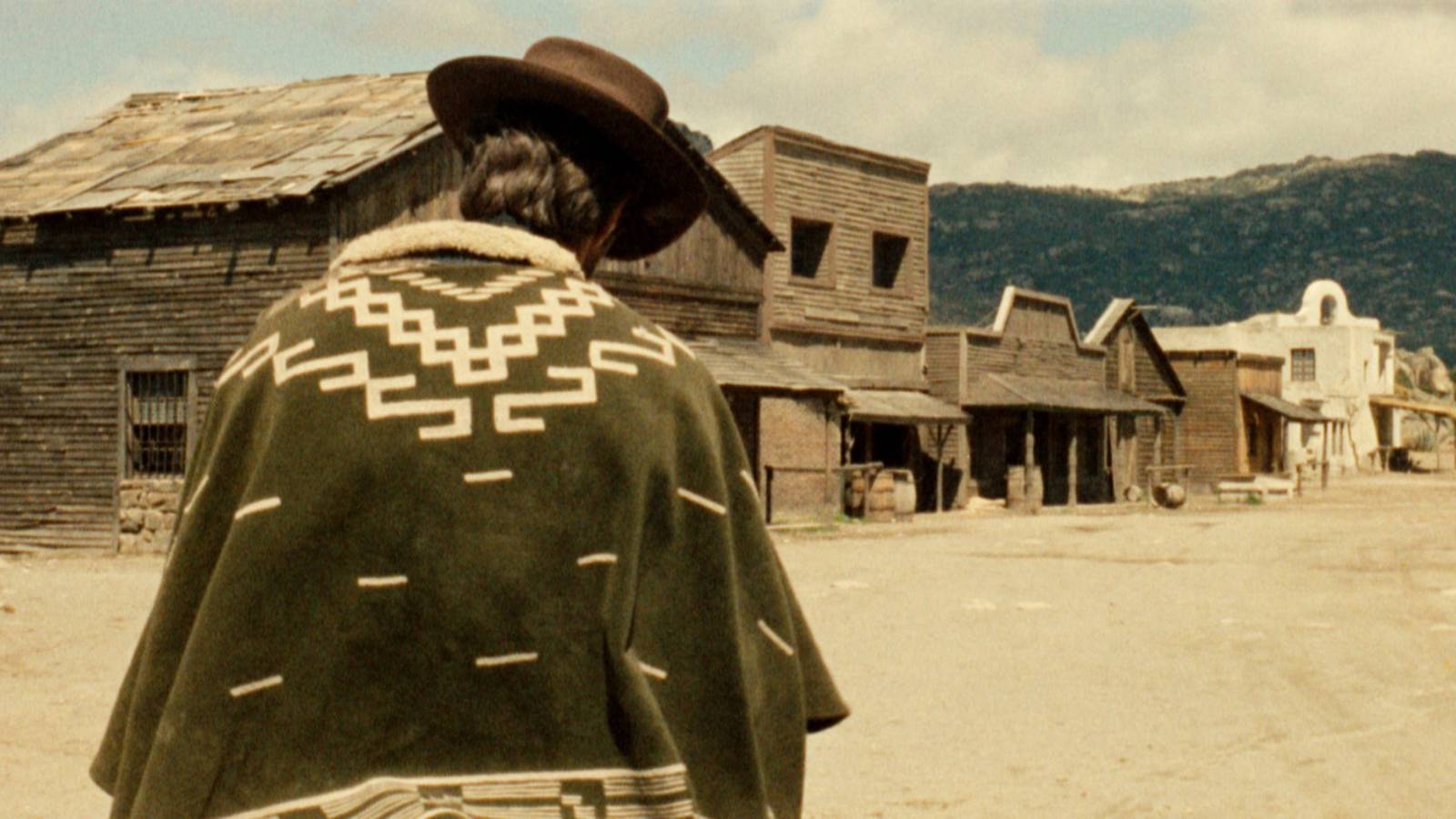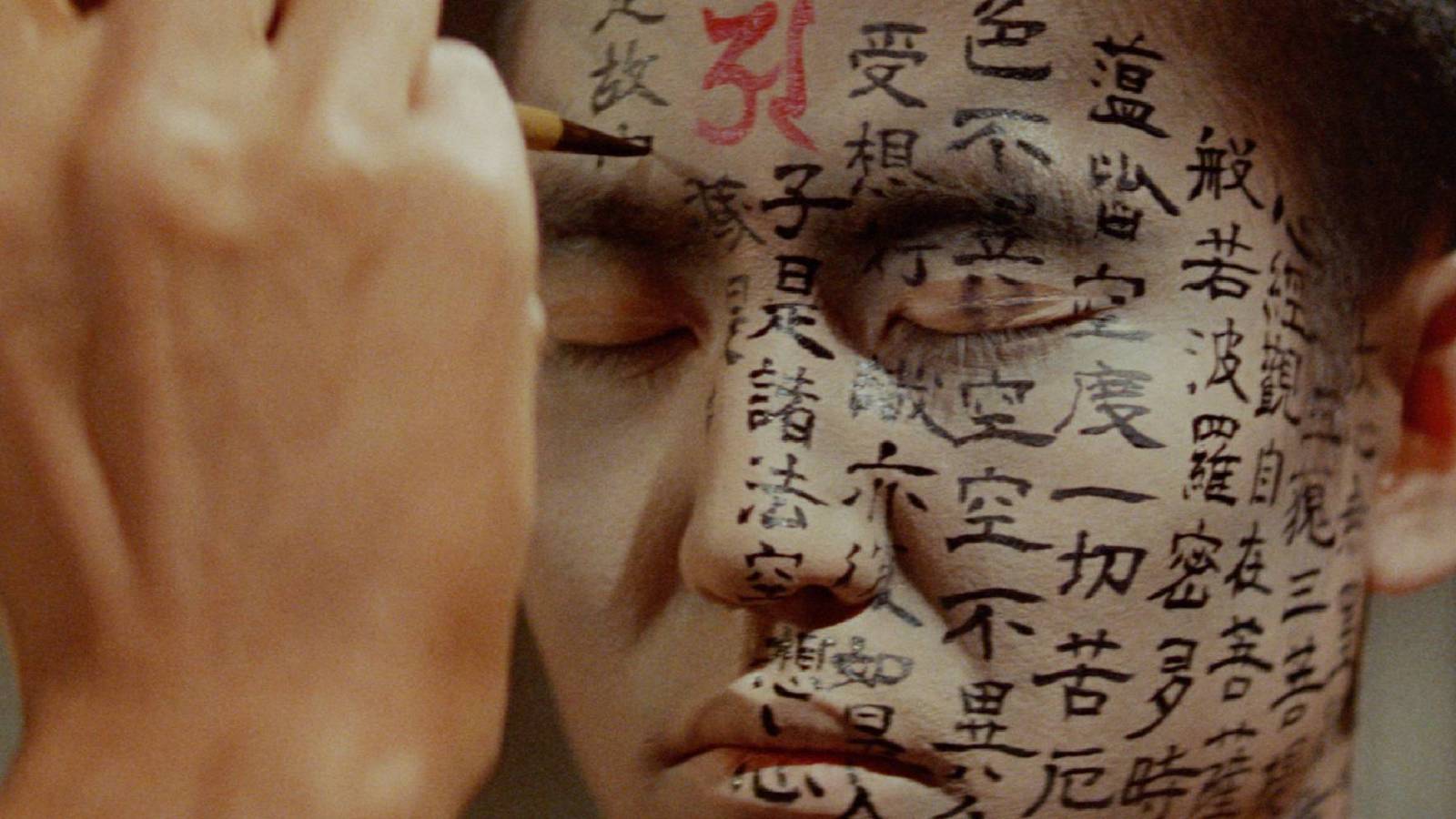
Horror has a unique power to grip audiences, delivering chills that linger long after the credits roll. While certain titles become cultural landmarks, countless other exceptional films fade into obscurity. These are the hidden gems—the near-perfect horror movies that, despite their brilliance, have been largely forgotten by mainstream audiences.
The Scapular (1968)
Mexico's rich history of horror cinema includes this chilling 1968 period piece. The story revolves around a dying woman who entrusts a priest with a sacred scapular, an object with a deadly power targeting non-believers. A masterclass in atmospheric dread, it's a potent ghost story woven with complex religious themes, showcasing the incredible quality of Mexican filmmaking in the 1960s.

Strangler vs. Strangler (1984)
Hailing from the former Yugoslavia, this 1984 film is a darkly comedic punk-rock take on horror. It follows a florist's murderous spree in Belgrade, with the investigation strangely intersecting with the life of an aspiring musician. With its funky style and sharp satire, the film delivers a hysterical and intelligent deconstruction of misogyny, making it a must-watch for fans of genre-blending horror comedies.
Mother Joan of the Angels (1961)
This Polish classic remains one of the most sophisticated religious horror films ever made. It follows a priest sent to investigate suspected demonic possession at a rural convent, where he encounters profound spiritual and carnal temptations. Winner of a special prize at Cannes, its stunning black-and-white cinematography and layered theological exploration create a uniquely chilling folk horror experience. For more films that masterfully blend genres, check out our list of 8 Perfectly Packaged Mystery Thrillers You Can Binge in One Weekend.
The Hourglass Sanatorium (1973)
Another Polish masterpiece, this surreal 1973 film takes a young Jewish man to a mystical sanatorium where his father is a patient and time itself is unraveling. Winning the Jury Prize at Cannes, it's a visually stunning, episodic journey that feels like a dark, philosophical version of Alice in Wonderland. It stands as a highly experimental yet perfectly crafted work of art that defies easy categorization.
Black Cat (Kuroneko) (1968)
From legendary Japanese director Kaneto Shindō comes this haunting period ghost story. After two women are brutally killed by samurai, they return as vengeful spirits who seduce and murder any samurai who crosses their path. A quintessential folk tale brought to life, the film balances poetic justice with deep thematic complexity, making it as thought-provoking as it is terrifying. It deserves a place alongside the director's more famous work, Onibaba.
Variola Vera (1982)
This tense Yugoslavian film offers a satirical and horrifying dramatization of the 1972 smallpox outbreak. It critiques the corruption and incompetence of medical and government officials during the crisis. Blurring the lines between horror and thriller, it generates palpable dread from real-world bureaucratic failure, creating an experience that feels unnervingly relevant.
These films represent just a fraction of the incredible horror cinema that has been overlooked. From Latin America to Eastern Europe and Asia, filmmakers have crafted profound, scary, and artistically bold works that challenge and entertain. They remind us that sometimes the most perfect scares are the ones we have to dig a little deeper to find. If you're in the mood for more overlooked classics, explore our feature on Forgotten Gems: 10 Action Movies That Deserve Your Attention.