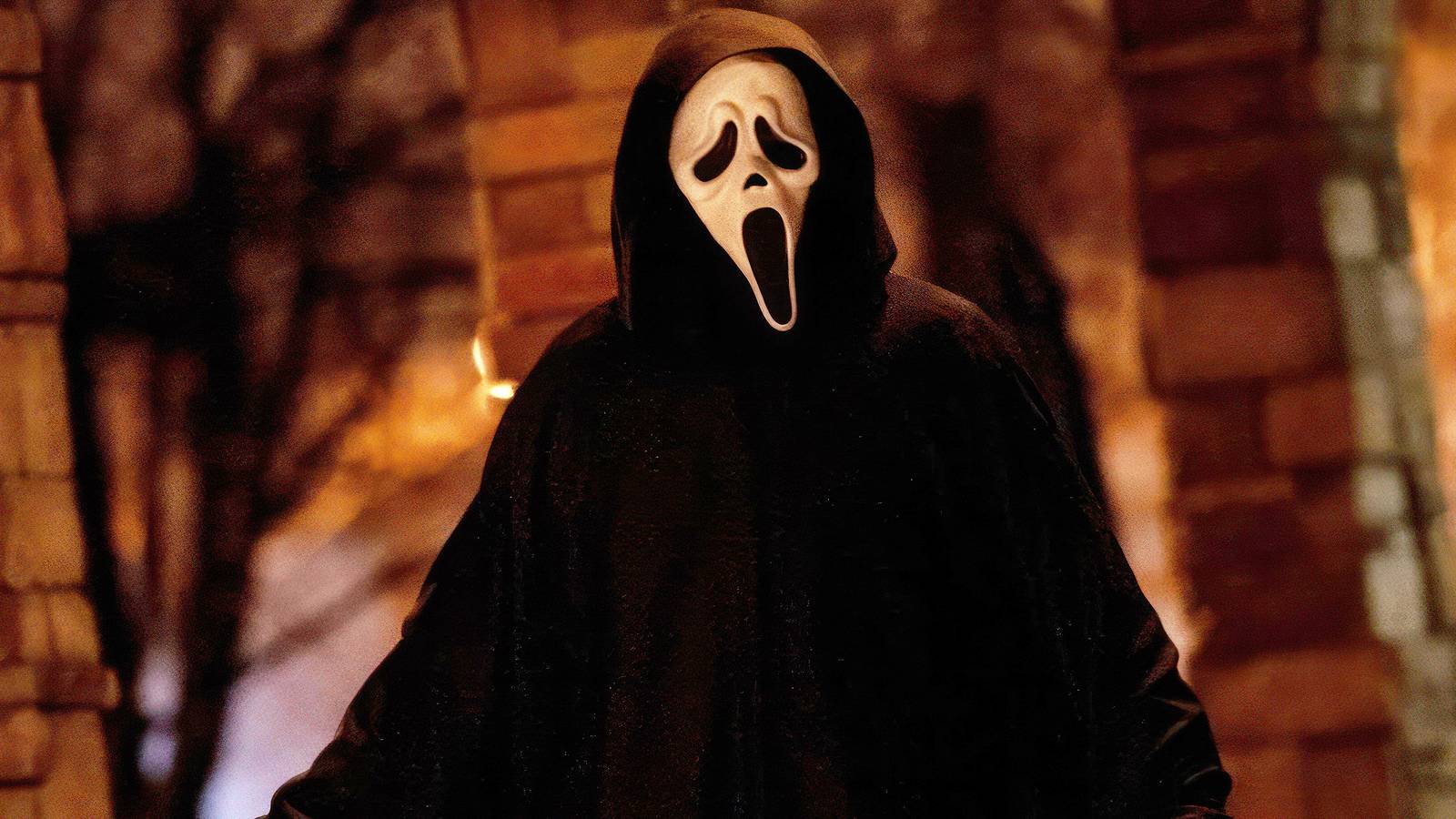
In the mid-90s, the horror genre was gasping for air. The slasher craze of the previous decade had faded, leaving a creative void. That all changed in 1996 when Wes Craven unleashed Scream, a film that not only terrified audiences but winked at them, revitalizing horror with its meta-commentary. I was hooked from that first iconic phone call, and the franchise has been a part of my life ever since.
Now, nearly three decades later, we have seven films featuring the voice of Ghostface. The journey has seen highs, lows, and unexpected revivals, continuing even after Craven's passing. With an eighth film already announced, the legacy endures. As a fan who's been there since the beginning, I'm laying my cards on the table and ranking every entry in this historic series.
7. Scream 7 (2026)
Let's get the bad news out of the way first. For me, Scream 7 is the only true misfire in the franchise. Despite a promising, fiery opening sequence, the film quickly loses its way. It introduces a cast of forgettable new characters and saddles itself with an A.I. plot that feels more like a trendy gimmick than meaningful commentary. The return of Neve Campbell as Sidney Prescott is welcome, but it can't save a story that feels hollow and rushed.
The core of Scream has always been its sharp observation of horror trends, but this entry has nothing to say. It devolves into a basic slasher, culminating in what I consider the most disappointing Ghostface reveal of the series. It's a messy conclusion that fails to honor the franchise's clever legacy, feeling more like a contractual obligation than a passionate sequel.
6. Scream 3 (2000)
This third chapter isn't terrible, but it's a noticeable step down from the brilliance of the first two films. Hamstrung by last-minute rewrites following real-world tragedy, the plot feels undercooked. The shift to a Hollywood setting and a mystery involving Sidney's mother has intriguing potential, especially when viewed through a modern lens, but the execution is clunky.
It's saved by the core trio—Campbell, Courteney Cox, and David Arquette—who bring their all, and Wes Craven's direction still provides solid scares. However, the villain's motivation feels weak, and the film lacks the razor-sharp wit of its predecessors. It's a fun, if flawed, conclusion to the original trilogy that fans can enjoy, even if it doesn't reach the high bar it set for itself.
5. Scream 6 (2023)
Proving the franchise could survive without its original final girl, Scream 6 successfully passes the torch. Set in New York City, it's a tense, well-shot film with some brutally effective kills and a standout opening scene that rivals the original's. The new cast—Melissa Barrera, Jenna Ortega, Mason Gooding, and Jasmin Savoy Brown—prove they're more than capable of carrying the story forward.
While the film stumbles with some over-the-top character survivability and a Ghostface reveal that feels a bit too familiar, its strengths are significant. It builds effectively on the new foundation laid by the 2022 reboot and delivers the chaotic, self-aware fun fans expect. It's a solid entry that shows the formula still has life, much like other long-running series that manage to reinvent themselves, such as the films in our ranking of the best sci-fi since The Matrix.
4. Scream 4 (2011)
Wes Craven and writer Kevin Williamson returned over a decade later with a sharp, relevant sequel that brilliantly tackled the era of remakes and reboot culture. Scream 4 cleverly integrates the legacy characters while introducing a fantastic new generation, led by the instantly iconic Kirby Reed (Hayden Panettiere).
The film recaptures the chaotic energy and meta-humor that defined the series, delivering one of the franchise's most surprising and thematically rich killer reveals. While some stylistic choices and opening scene fake-outs haven't aged perfectly, this stands as a strong, smart sequel. It served as a fitting final bow for Wes Craven, a true master of suspense who left an indelible mark on horror.
3. Scream 5 (2022)
The 2022 "requel" had a massive task: honoring the past while forging a new path. It succeeded spectacularly. By deftly weaving the legacy characters into a new mystery centered on Sam Carpenter (Melissa Barrera), the film felt both nostalgic and fresh. The commentary on "elevated horror" and toxic fandom was perfectly pitched for a new era.
It delivered genuine emotional weight, particularly in its handling of Dewey's arc, alongside brutal, inventive kills. The new core cast was immediately compelling, and the Ghostface reveal worked both as a shocking twist and a logical extension of the franchise's themes. It was a near-perfect revival, proving Ghostface could still terrify a new generation.
2. Scream 2 (1997)
The rare sequel that lives up to the original, Scream 2 masterfully expanded the meta-commentary to sequels themselves. Set on a college campus, it raised the stakes with bigger set pieces and a genuinely unnerving atmosphere. The opening kill in a movie theater is an all-timer, and the film's exploration of media sensationalism feels more prescient than ever.
The chemistry of the core trio is at its peak, and the introduction of new characters like Derek and Hallie added depth. The whodunit mystery is tightly plotted, with red herrings that actually work, leading to a climax that is both thrilling and emotionally charged. It's a textbook example of how to do a sequel right.
1. Scream (1996)
Was there ever any doubt? The original Scream isn't just the best film in the franchise; it's a landmark in horror history. It single-handedly deconstructed and then resurrected the slasher genre with unparalleled wit and intelligence. From Drew Barrymore's heart-pounding opening scene to the final confrontation, every moment is iconic.
It introduced us to Sidney Prescott, one of horror's greatest final girls, and the rules that would define a generation of movies. The blend of genuine scares, laugh-out-loud humor, and clever commentary created a perfect storm. It's a flawless film that redefined what horror could be, a legacy that continues to inspire filmmakers today, much like the enduring influence of other genre classics such as Rachel Weisz's 'The Mummy'. For pure, game-changing impact, the original Scream remains utterly untouchable.