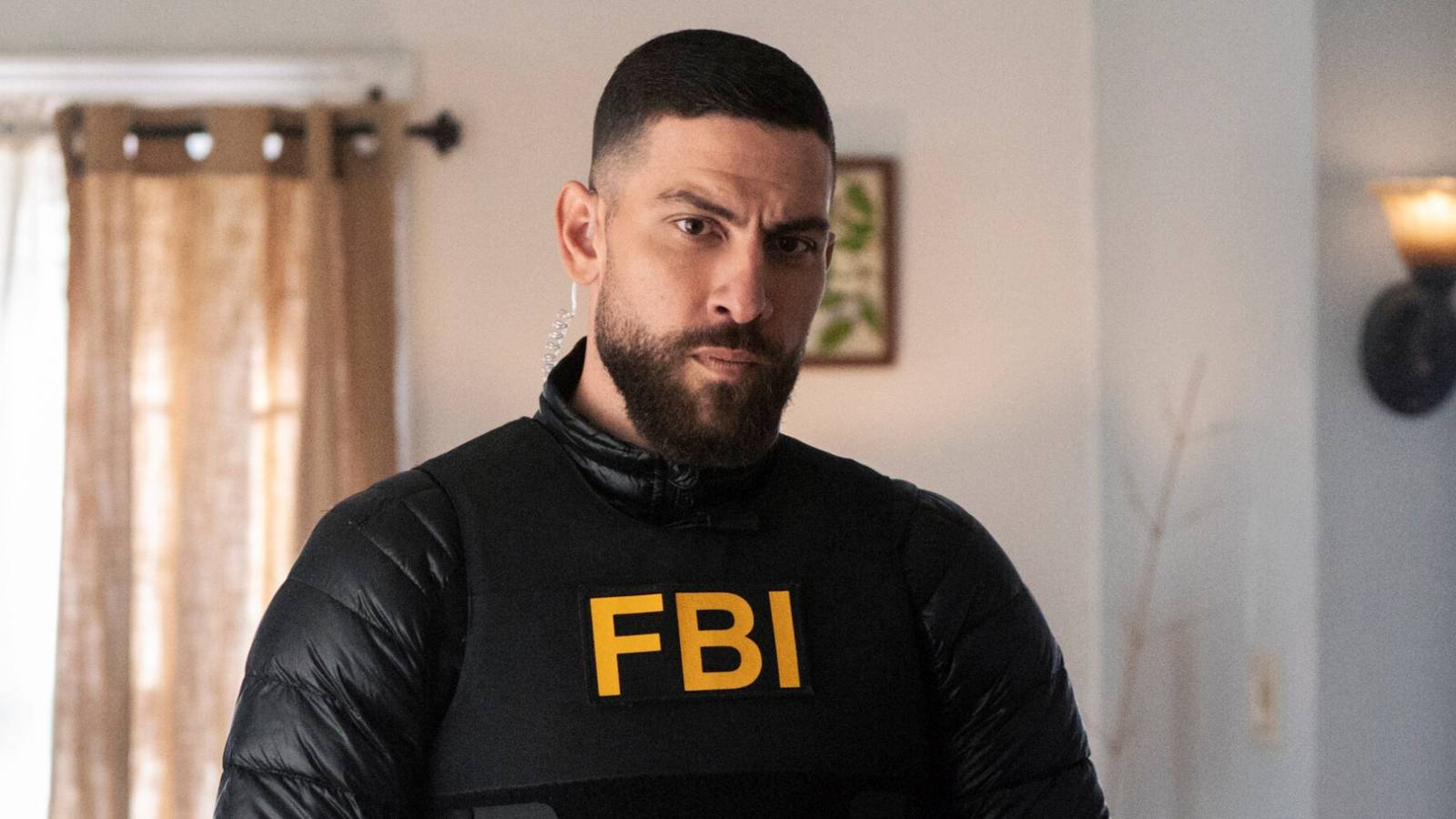
Apple TV has been on a hot streak with sci-fi adaptations, and its most anticipated project—a 10-episode take on William Gibson's Neuromancer—has been in production for over a year. Created by Graham Roland and J.D. Dillard, the series boasts a stellar cast including Callum Turner as hacker Case, Briana Middleton as his partner Molly, Dane DeHaan as the volatile Peter Riviera, and Mark Strong as the mysterious Mr. Armitage. With such talent and a legendary source material, the show seems destined for success. But there's a looming problem that could trip up even the best-laid plans: the sequels.
Gibson's Neuromancer is the first book in the Sprawl trilogy, but the follow-ups—Count Zero and Mona Lisa Overdrive—introduce entirely new casts and settings. Only one character from the first novel appears in the later books, and even the AI entities take on unrecognizable forms. While this works brilliantly in print, where readers savor subtle callbacks, it's a nightmare for television. Audiences will fall in love with Case and Molly, only to find them absent in season two. Studios, meanwhile, would face the daunting task of marketing a sequel with no returning stars or familiar locations—essentially starting from scratch.
This isn't just a creative hurdle; it's a business one. Apple TV has shown patience with shows like Slow Horses, but even that series benefits from a consistent ensemble. Neuromancer risks becoming a one-season wonder unless the creators find a way to bridge the gap. One solution is to weave characters from the sequels into the first season, priming viewers for their future prominence. So far, no such additions have been announced, but the show is still filming.
How 'Neuromancer' Can Build a Lasting Franchise
Another option is to expand the sequel stories to include familiar faces from the first season. This would require significant changes to Gibson's work—something adaptations often do—but it risks alienating purists and overshadowing the new characters. A third path is to treat Neuromancer as a standalone miniseries, leaving the sequels as separate, related projects. That would honor the source material and push the genre forward, but it's an unconventional move for a streamer that typically builds multi-season arcs.
Apple TV has already proven it can handle ambitious sci-fi, as seen in The Gorge and Constellation. But Neuromancer presents a unique challenge: its very structure defies traditional TV continuity. The show's creators have a chance to set a new standard by either reimagining the sequels or boldly declaring the first season a complete story. Either way, fans will be watching closely to see if Apple TV can avoid the mistake of letting a brilliant start fizzle into a dead end.
Ultimately, the success of Neuromancer may hinge not on its first season, but on how it plans for the future. With no release date yet, there's still time to make the right call. Here's hoping the showrunners find a way to keep the Sprawl alive without losing what makes it special.