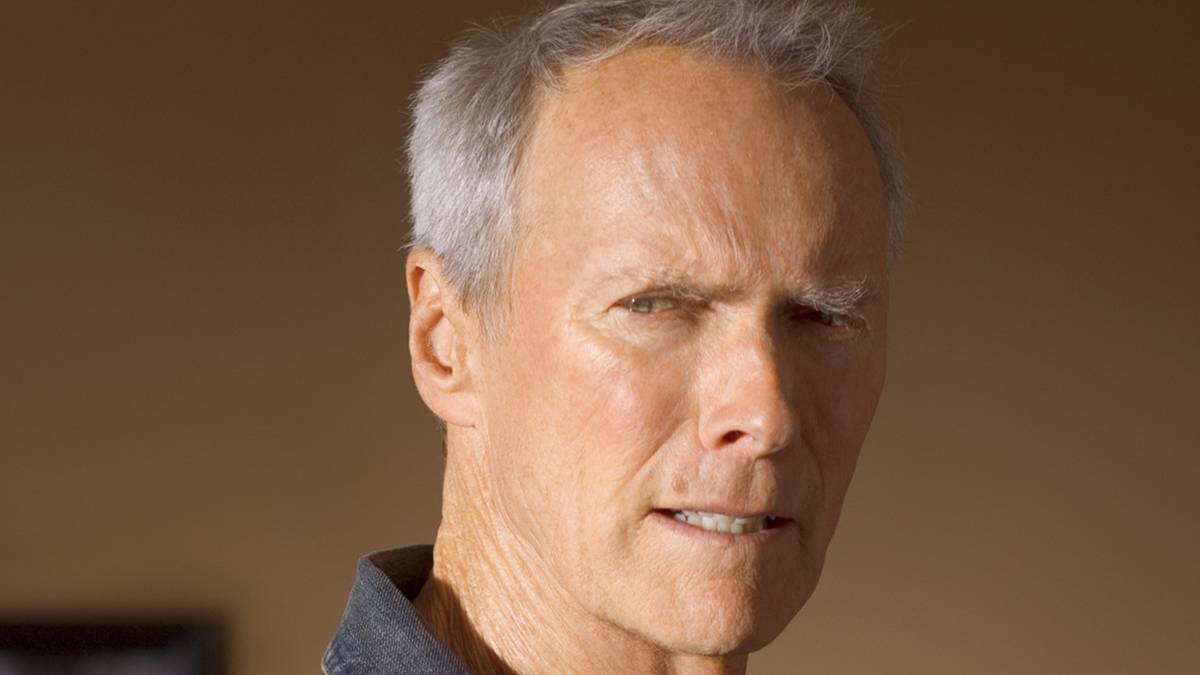
Some films fade with time, but a rare few only grow sharper. Clint Eastwood's 2004 drama Million Dollar Baby is one of those enduring gems. While the sports genre has seen countless tales of grizzled trainers and unlikely fighters, this picture carved out a permanent place in cinema history—and it still holds up as Eastwood's crowning achievement.
The story centers on Maggie Fitzgerald (Hilary Swank), a 31-year-old waitress with a burning desire to become a professional boxer. She persuades a reluctant veteran trainer, Frankie Dunn (Eastwood), to take her under his wing. Despite his initial skepticism, Frankie is won over by her sheer determination. Alongside them is Eddie "Scrap Iron" Dupris (Morgan Freeman), Frankie's old friend, who offers wisdom and warmth. What unfolds is more than a sports story—it's a deeply human tale of mentorship, resilience, and the bonds that form when we least expect them.
Why It's Still a Classic
Part of what makes Million Dollar Baby so unforgettable is its emotional weight. Eastwood's direction is meticulous, allowing moments of quiet reflection to breathe between the brutal fight sequences. The performances are nothing short of extraordinary. Swank embodies Maggie's raw grit, while Eastwood brings a gruff tenderness to Frankie. Freeman, as always, delivers a performance steeped in quiet wisdom. Together, they create characters who feel fully alive beyond the screen.
The film's impact is also reflected in its awards haul. It took home four Oscars, including Best Picture, Best Director, Best Actress for Swank, and Best Supporting Actor for Freeman. That recognition solidified its place among the greats, but its true legacy lies in how it resonates with audiences even today.
The Power of Narration
Freeman's narration serves as the film's emotional compass. Through his eyes, we see Maggie's journey unfold with both honesty and affection. The fight scenes are visceral and unpolished, capturing the danger and desperation of the sport. Frankie starts as a cantankerous figure, but his gradual softening makes the story's later twists all the more devastating. It's a masterclass in storytelling, where every choice feels deliberate and earned.
Beyond its narrative strengths, Million Dollar Baby was a commercial triumph. Made on a modest $30 million budget, it grossed over $216 million worldwide—a testament to its universal appeal. It also remains a benchmark for sports dramas, influencing countless films that followed. For those who appreciate a well-crafted thriller, the film's tension and pacing are comparable to the best in the genre, much like the psychological thrillers that keep us on edge.
Eastwood has directed many notable films, from Unforgiven to Mystic River, but none have matched the emotional resonance of Million Dollar Baby. It's a film that doesn't just entertain—it stays with you, challenging your perceptions and touching your heart. For anyone seeking a story about perseverance and the cost of dreams, this remains essential viewing. And if you're in the mood for more gripping narratives, check out this list of binge-worthy thrillers that deliver from start to finish.
In the end, Million Dollar Baby is more than a movie; it's a testament to the power of storytelling. Two decades on, it still stands as Eastwood's greatest work—a gritty, beautiful, and heartbreaking exploration of what it means to fight for something bigger than yourself.