Science fiction has a way of exposing our deepest fears and desires. It asks us to consider the impossible, to question our assumptions, and to confront the unknown. The best sci-fi films don't just entertain—they challenge us, haunt us, and stay with us long after the credits roll. Here are eight of the most amazing sci-fi movies ever made, ranked for their brilliance, impact, and enduring power.
8. Arrival (2016)
When twelve mysterious spacecraft touch down across the globe, linguist Louise Banks (Amy Adams) is called in to decipher their alien language. As governments teeter on the brink of panic, Louise's work becomes a race against time to understand the visitors' true intentions. Directed by Denis Villeneuve, Arrival is a cerebral masterpiece that turns communication into a breathtaking intellectual adventure. The film's genius lies in its exploration of how language shapes thought—and how the act of understanding can transform our perception of time and love. Adams delivers a quietly powerful performance, and the ending is a gut-punch that redefines everything you thought you knew. It's a film that rewards patience and lingers in the mind like a beautiful, haunting echo.

7. Children of Men (2006)
In a world where humanity has become infertile, society is crumbling. Theo Faron (Clive Owen), a cynical former activist, is thrust into a desperate mission when he discovers a young refugee named Kee (Clare-Hope Ashitey) is pregnant. Alfonso Cuarón's Children of Men is a visceral, unflinching look at a future that feels terrifyingly plausible. The film's long-take action sequences are legendary, especially the harrowing ambush that drops you into chaos without warning. But what truly elevates it is the emotional core: Theo's transformation from a man who has given up to one who finds something worth fighting for. The moment when soldiers pause their fire at the sound of a baby's cry is one of cinema's most devastating and hopeful images. It's a film that asks if humanity deserves to survive—and dares to suggest that maybe it does.
6. The Matrix (1999)
What if everything you know is a lie? That's the question at the heart of The Matrix, the Wachowskis' groundbreaking cyberpunk epic. Neo (Keanu Reeves) discovers that reality is a simulation created by machines, and he joins a rebellion to free humanity. The film is a dazzling fusion of philosophy, martial arts, and revolutionary visual effects that redefined action cinema. But beneath the bullet-time and leather trench coats lies a profound meditation on choice, freedom, and the seductive comfort of illusion. The scene where Cypher (Joe Pantoliano) trades his comrades for a steak he knows isn't real is a chilling reminder that some prefer the bliss of ignorance. The Matrix remains a touchstone of sci-fi, a film that makes you question the very nature of your existence.
5. Terminator 2: Judgment Day (1991)
James Cameron's Terminator 2: Judgment Day is the rare sequel that surpasses its predecessor. This time, a reprogrammed T-800 (Arnold Schwarzenegger) protects young John Connor (Edward Furlong) from the advanced liquid-metal T-1000 (Robert Patrick). The action is relentless, the effects are revolutionary, and the story is surprisingly heartfelt. The relationship between John and the machine that once hunted his mother is genuinely touching, as the T-800 learns about human emotion while Sarah Connor (Linda Hamilton) fights to prevent the apocalypse. The hospital escape scene, where Sarah's terror at seeing the T-800 is palpable, is a masterclass in tension. T2 is a blockbuster with a soul, a film that proves spectacle and substance can coexist.
4. Alien (1979)
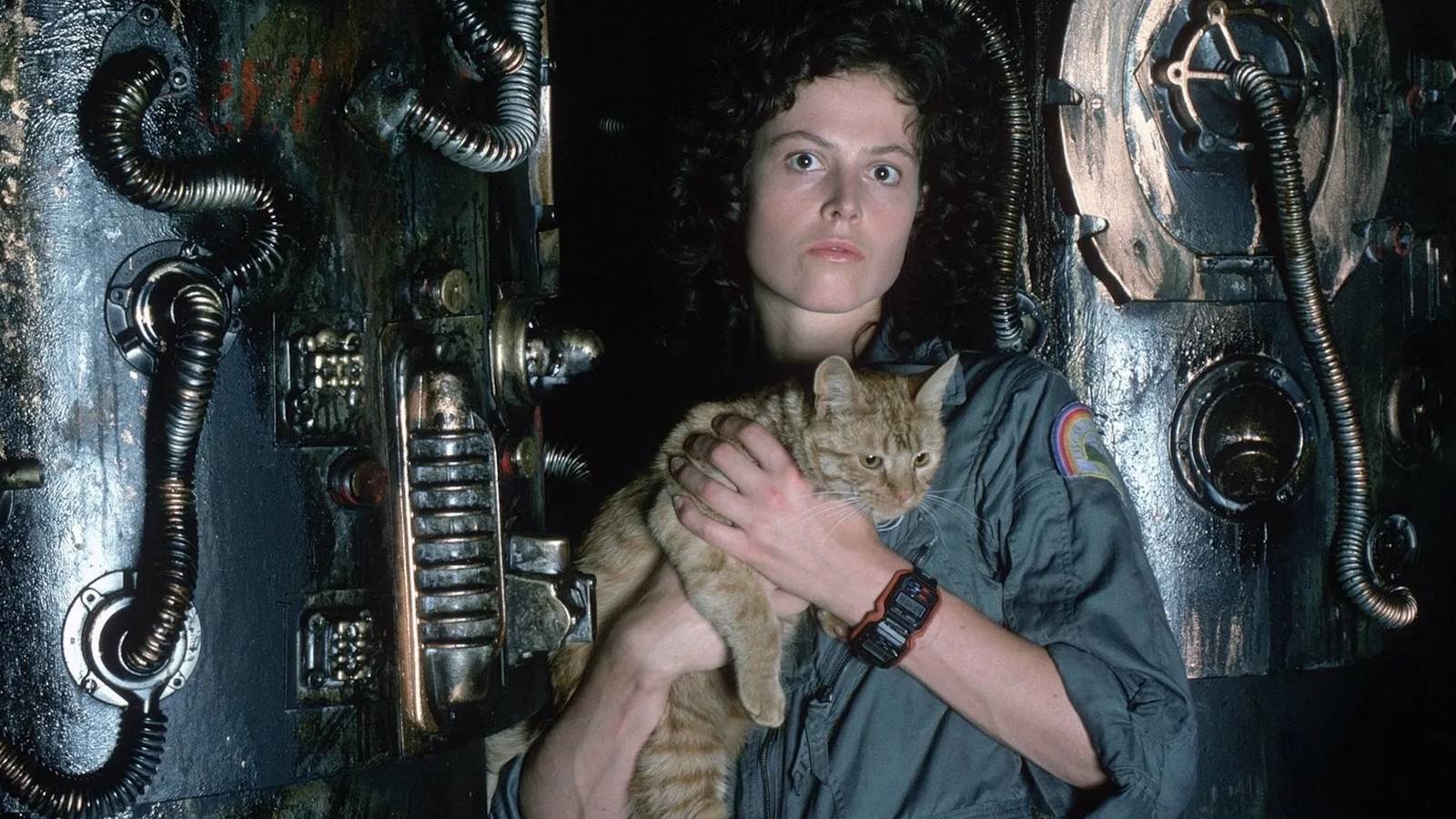
Ridley Scott's Alien is a masterclass in dread. The crew of the Nostromo responds to a distress signal and unknowingly brings a lethal creature aboard. What follows is a slow-burn nightmare that builds tension with every creak of the ship and hiss of the vents. Sigourney Weaver's Ripley is a groundbreaking heroine—resourceful, tough, and utterly human. The film's design, from the derelict spacecraft to the xenomorph itself, is iconic. Alien is more than a horror movie in space; it's a meditation on corporate greed, the unknown, and the fragility of human life. It's a film that proves the most terrifying monsters are the ones we can't see coming.
3. Blade Runner (1982)
Ridley Scott's Blade Runner is a neon-soaked, rain-drenched vision of a dystopian Los Angeles where genetically engineered replicants are hunted by blade runners like Rick Deckard (Harrison Ford). The film asks profound questions about what it means to be human, as the replicants—especially Roy Batty (Rutger Hauer)—display more humanity than their creators. The visuals are stunning, the atmosphere is thick with melancholy, and the ending is ambiguous in the best way. Blade Runner is a film that grows richer with each viewing, a philosophical sci-fi noir that continues to influence everything from cyberpunk to AI ethics.
2. 2001: A Space Odyssey (1968)
Stanley Kubrick's 2001: A Space Odyssey is not just a film; it's an experience. From the dawn of man to the far reaches of the cosmos, Kubrick takes us on a journey that defies easy explanation. The film's famous match cut from a bone to a spaceship is a cinematic leap across millennia. The HAL 9000, a sentient computer that embodies both logic and madness, remains one of the most chilling villains in film history. 2001 is a film that demands patience and rewards contemplation. It's a visual and philosophical epic that asks what our place is in the universe—and whether we're ready for the answer.
1. Inception (2010)
Christopher Nolan's Inception is a heist film set inside the architecture of dreams. Dom Cobb (Leonardo DiCaprio) is a thief who steals secrets from the subconscious, but his greatest challenge is planting an idea—inception. The film is a dazzling puzzle box of nested realities, where time dilates and reality blurs. Nolan's direction is precise, the performances are superb, and the visual effects are breathtaking, from the folding city to the zero-gravity hallway fight. But what makes Inception truly amazing is its emotional core: Cobb's guilt over his wife's death and his desperate desire to return to his children. The film's final shot, with the spinning top, is a perfect ambiguity that has sparked endless debate. Inception is a blockbuster that respects its audience's intelligence, a film that entertains and challenges in equal measure.
These eight films represent the pinnacle of science fiction cinema. They push boundaries, ask big questions, and remind us that the most dangerous territory is always the human mind. Whether you're a longtime fan or new to the genre, these are essential viewing. For more mind-bending recommendations, check out our list of psychological thrillers or dive into the best sci-fi series on Netflix. And if you're hungry for more alien adventures, keep an eye on Ridley Scott's return to the Alien universe.