The 1990s were a golden era for horror, a decade that balanced prestige, innovation, and pure terror in ways few other periods have matched. After the 80s, which were dominated by sequels and formulaic slashers, the 90s felt like a breath of fresh air—a time when filmmakers took risks, embraced originality, and elevated the genre to new artistic heights. The result? A collection of movies that remain not just beloved, but genuinely flawless from start to finish.
What made the 90s so special was its diversity. You had award-winning dramas like Misery, groundbreaking found-footage like The Blair Witch Project, and deeply layered arthouse pieces like Twin Peaks: Fire Walk With Me. This mix of mainstream appeal and avant-garde ambition created a horror landscape that was both accessible and intellectually stimulating. It's no wonder so many of these films have become touchstones for modern horror directors.
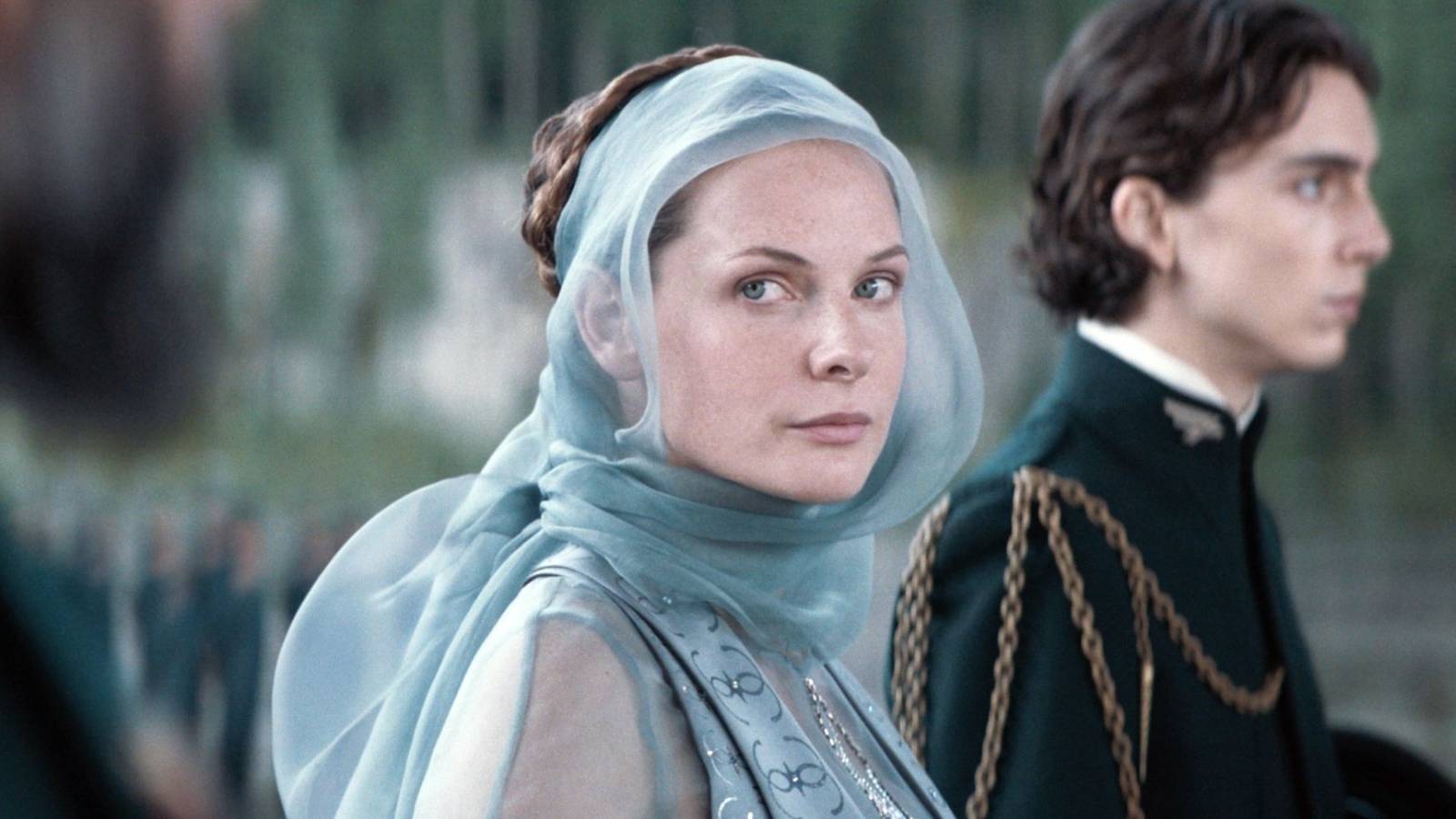
Candyman (1992)
Bernard Rose's Candyman is more than just a slasher—it's a social commentary wrapped in a haunting legend. The film follows a graduate student (Virginia Madsen) who investigates the myth of Candyman (Tony Todd), a killer who appears when you say his name five times in a mirror. What starts as academic curiosity spirals into a nightmare as the legend proves all too real.
What makes Candyman perfect is its ability to blend visceral scares with themes of gentrification, urban decay, and racial tension. Rose's direction is meticulous, using shadow and sound to create an atmosphere of dread that lingers long after the credits roll. The film was appreciated in its time, but its reputation has only grown, influencing everything from Jordan Peele to the recent sequel.
The Blair Witch Project (1999)
Few films have had the cultural impact of The Blair Witch Project. Made on a shoestring budget of under $1 million, it grossed hundreds of millions worldwide, becoming one of the most profitable movies ever. More importantly, it revolutionized the found-footage subgenre, convincing audiences that what they were watching might be real.
The film's genius lies in its realism. The shaky camerawork, the improvised dialogue, the gradual descent into panic—all of it feels authentic. The trio of filmmakers (Heather Donahue, Michael C. Williams, Joshua Leonard) deliver performances that are so natural you forget they're acting. The slow-burn tension culminates in one of the most iconic and chilling endings in horror history, a moment that still sends shivers down spines.
Twin Peaks: Fire Walk With Me (1992)
David Lynch's Twin Peaks was a cultural phenomenon, and its film prequel, Fire Walk With Me, is a haunting masterpiece that was initially misunderstood. The film follows the final days of Laura Palmer (Sheryl Lee), the doomed homecoming queen whose murder set the series in motion. It's a dark, surreal, and deeply emotional journey into the heart of evil.
Lynch's signature style is on full display—dreamlike imagery, unsettling sound design, and a narrative that defies conventional logic. But beneath the abstraction lies a heartbreaking story of abuse and trauma. The film was polarizing upon release, but it has since been reevaluated as one of Lynch's most profound works, a necessary companion to the series that deepens its mythology.
Funny Games (1997)
Austrian director Michael Haneke's Funny Games is not just a home invasion thriller—it's a brutal critique of the audience's appetite for violence. The film follows a family terrorized by two young men who toy with them like playthings, breaking the fourth wall to implicate the viewer in the horror.
Haneke's direction is cold and precise, forcing us to confront our own complicity in cinematic violence. The performances are unnervingly calm, and the film's refusal to offer catharsis is a deliberate choice that leaves a lasting impact. It's a challenging watch, but for those who appreciate horror as social commentary, it's an essential piece of cinema.
These films, along with others like Scream and Misery, represent the best of 90s horror. They're not just scary—they're smart, innovative, and endlessly rewatchable. If you're looking for a perfect horror movie night, you can't go wrong with any of these. And if you're in the mood for more 90s nostalgia, check out this list of 90s books that still hold up or dive into the iconic Scream soundtrack for a full trip back in time.