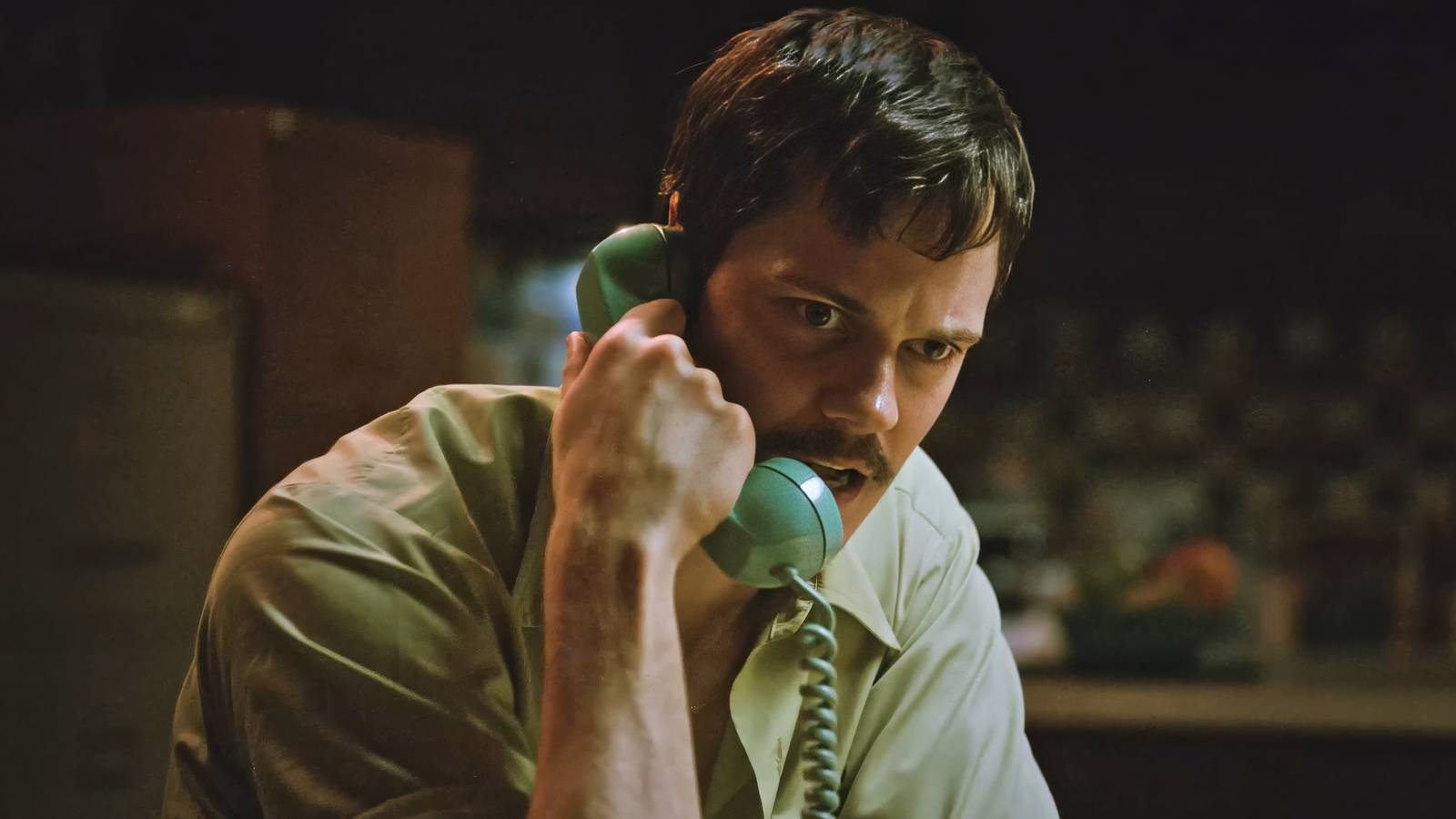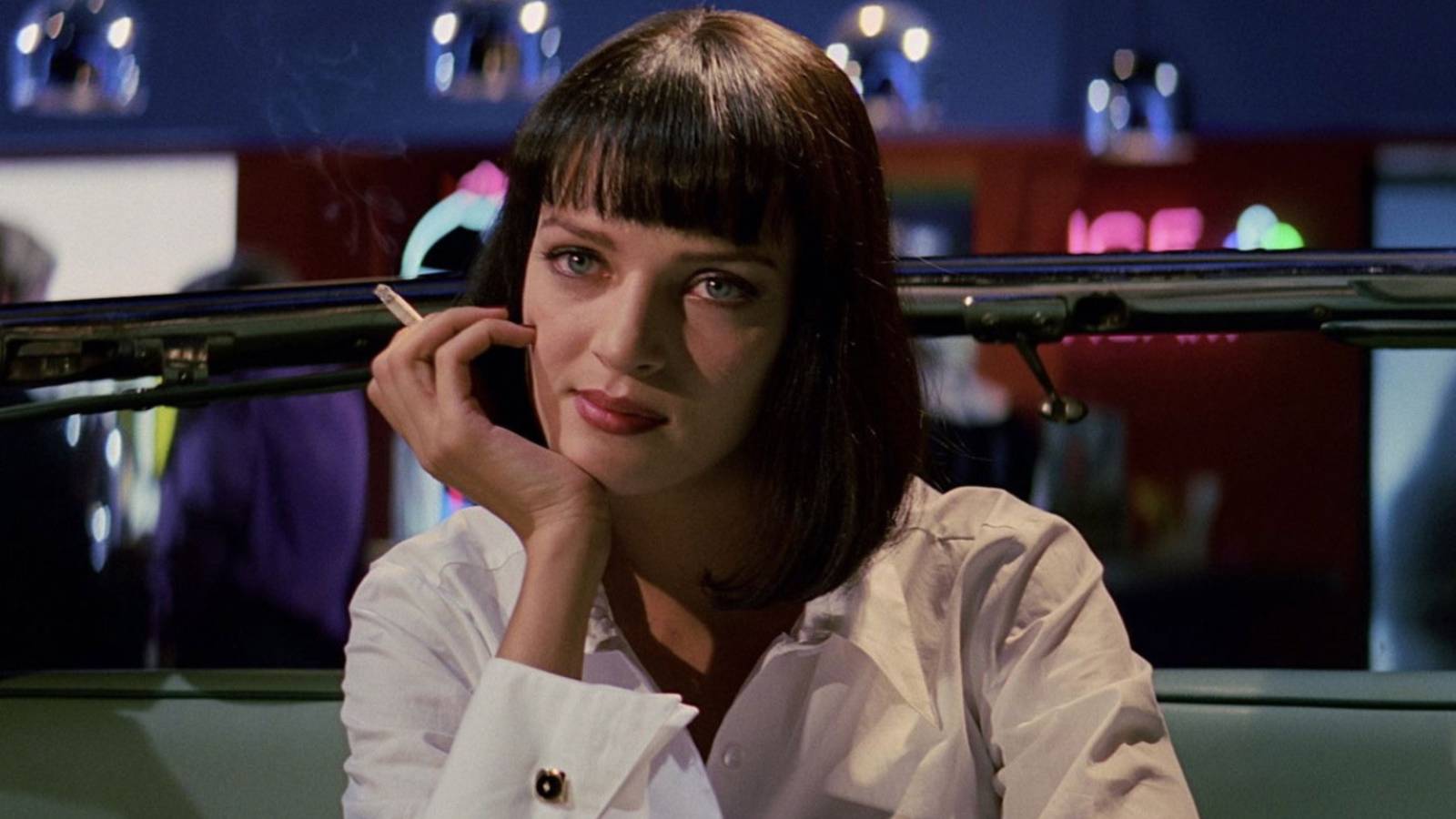
What makes a thriller truly unforgettable? It's more than just a jump scare or a twist ending. The genre's most enduring classics are the ones that established the very language of suspense, creating blueprints that filmmakers still follow today. From psychological cat-and-mouse games to gritty crime sagas, these are the films that built the foundation.
Pulp Fiction (1994)
Quentin Tarantino's genre-shattering masterpiece redefined independent cinema and the crime thriller. With its non-linear narrative following interconnected stories of Los Angeles criminals, hitmen, and a boxer, the film injected postmodern wit and hyper-stylized violence into the mainstream. Its snappy dialogue and fragmented storytelling became instant trademarks, influencing countless films and series in its wake. Winning an Oscar for its screenplay, Pulp Fiction proved that thrillers could be as intellectually daring as they were visceral. For more on crime cinema's foundations, check out our feature on 10 Crime Films That Built the Genre.
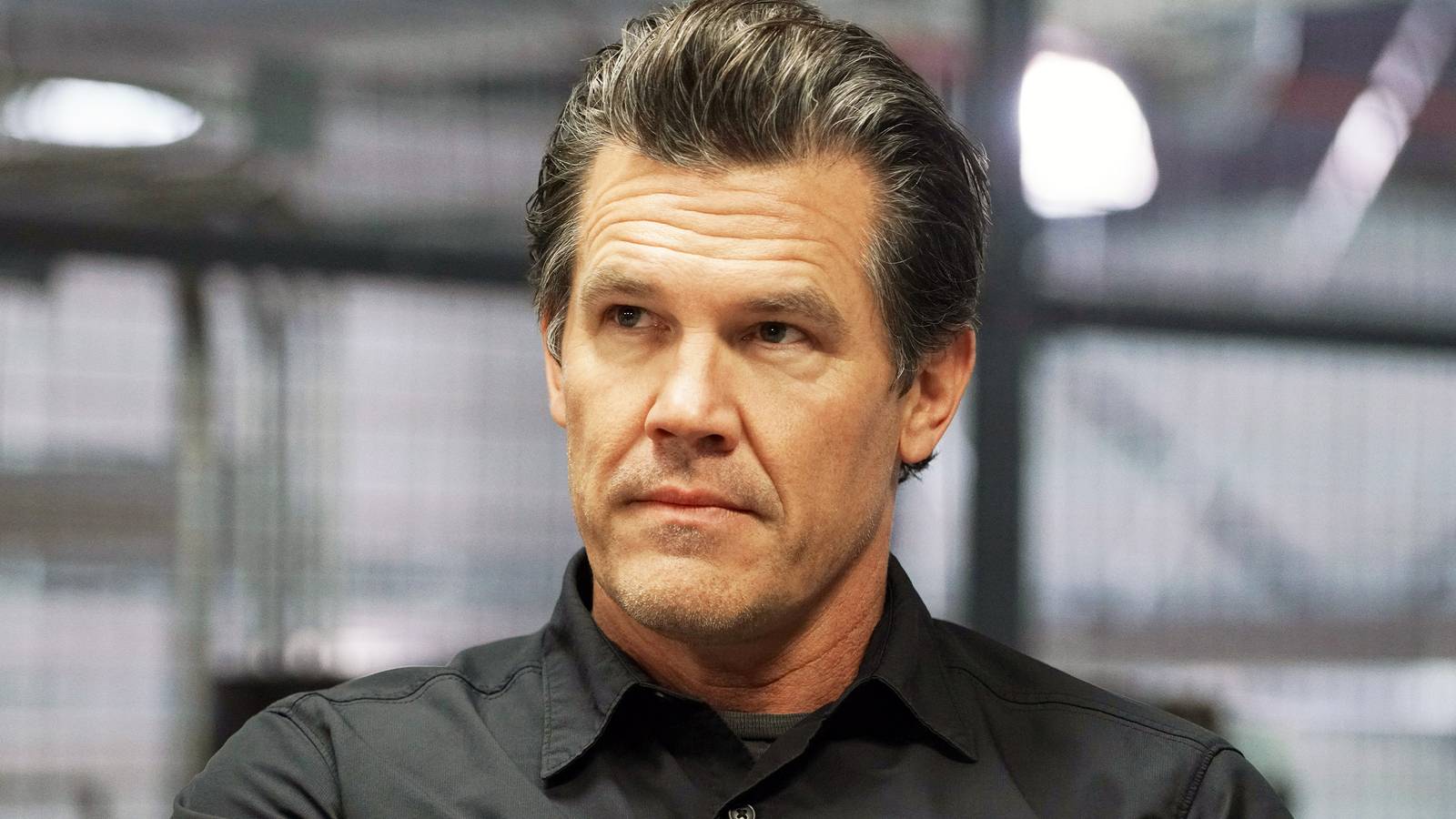
The Silence of the Lambs (1991)
This chilling adaptation of Thomas Harris's novel achieved the rare feat of sweeping the major Academy Awards. The story of FBI trainee Clarice Starling (Jodie Foster) consulting with the brilliant, cannibalistic psychiatrist Hannibal Lecter (Anthony Hopkins) masterfully traded graphic horror for unbearable psychological tension. It created the template for the cerebral serial killer thriller, where the real battle is a war of wits. The film's legacy is a testament to the power of performance and suggestion over gore.
Se7en (1995)
David Fincher's bleak, rain-soaked vision presented a world where evil is methodical and philosophical. Detective Somerset (Morgan Freeman) and Mills (Brad Pitt) hunt a killer using the seven deadly sins as his motive, leading to one of cinema's most devastating climaxes. Se7en elevated the crime thriller into a high-concept exploration of morality and despair, its grim atmosphere and shocking twists becoming a benchmark for gritty, intellectual suspense. Its influence echoes in modern gritty crime series, much like the tension found in Joel Kinnaman's 'The Killing'.
Perfect Blue (1997)
Satoshi Kon's animated psychological thriller broke all the rules of its medium. It follows pop idol Mima as she transitions to acting, only to be stalked by an obsessed fan—a situation that violently blurs the line between her reality and paranoid fantasies. With its surrealist style and immersive point-of-view, Perfect Blue proved animation could deliver complex, adult-oriented psychological horror, influencing filmmakers from Darren Aronofsky to contemporary thriller directors exploring fractured identities.
Fight Club (1999)
David Fincher's second entry on this list is a cultural phenomenon that dissected modern masculinity and consumerism through a lens of anarchic violence and narrative deception. The story of an insomniac office worker (Edward Norton) and the charismatic soap salesman Tyler Durden (Brad Pitt) spawned a secret underground fight club that spirals into something far more dangerous. Its iconic twist and subversive commentary cemented it as a defining film of the decade, a thriller that is as much a psychological puzzle as a visceral rebellion. Its legacy of mind-bending narratives continues in shows that redefine genres, similar to how AMC's 'Interview with the Vampire' reimagines horror TV.
These five films are more than just great movies; they are architectural pillars. They showed that thrillers could explore the darkest corners of the human psyche, play with time and perception, and use style as substance. Every modern suspense story, from streaming hits to blockbuster films, owes a debt to the rules—and rule-breaking—established by these essential classics.