From shadowy back alleys to glittering criminal empires, the crime genre has captivated audiences since the earliest days of cinema. There's an undeniable magnetism to stories of lawbreakers and those who pursue them—a fascination that has produced some of film history's most groundbreaking works. Certain movies, however, didn't just entertain; they fundamentally reshaped how crime stories are told, leaving an indelible mark on the art form.
The Films That Forged a Legacy
What makes a crime film truly important? It's more than just box office success or critical acclaim. The most influential works redefine conventions, introduce new storytelling techniques, and create cultural touchstones that echo for decades. Whether through revolutionary narrative structures, unforgettable characters, or sheer cinematic mastery, these movies became the blueprints that countless filmmakers would follow.

The Dark Knight (2008)
Christopher Nolan's masterpiece transcended its comic book origins to become a landmark crime thriller. By grounding its superhero narrative in the gritty reality of organized crime and psychological warfare, The Dark Knight elevated the entire genre. Heath Ledger's iconic portrayal of the Joker created a new standard for cinematic villains, while the film's moral complexity and intense action sequences influenced not just future superhero projects but crime cinema as a whole. Its impact continues to resonate, proving that genre boundaries are meant to be broken.
The Godfather Part II (1974)
While its predecessor often claims the "greatest film" title, Francis Ford Coppola's sequel expanded the crime saga into an epic exploration of power, family, and corruption across generations. Juxtaposing Vito Corleone's rise with Michael's moral descent, the film created a tragic depth rarely seen in genre filmmaking. Its intricate storytelling and profound character studies became the gold standard for crime dramas, influencing everything from television series to modern streaming franchises that explore organized crime's complexities.
Rashomon (1950)
Akira Kurosawa's genius extended beyond samurai epics into this revolutionary crime drama that challenged the very nature of truth. By presenting multiple contradictory accounts of a single violent incident, Rashomon introduced the world to the concept of subjective reality in criminal investigation. The film's legacy is so profound that "the Rashomon effect" entered academic and legal terminology, forever changing how mysteries and crime narratives approach perspective and reliability in storytelling.
Goodfellas (1990)
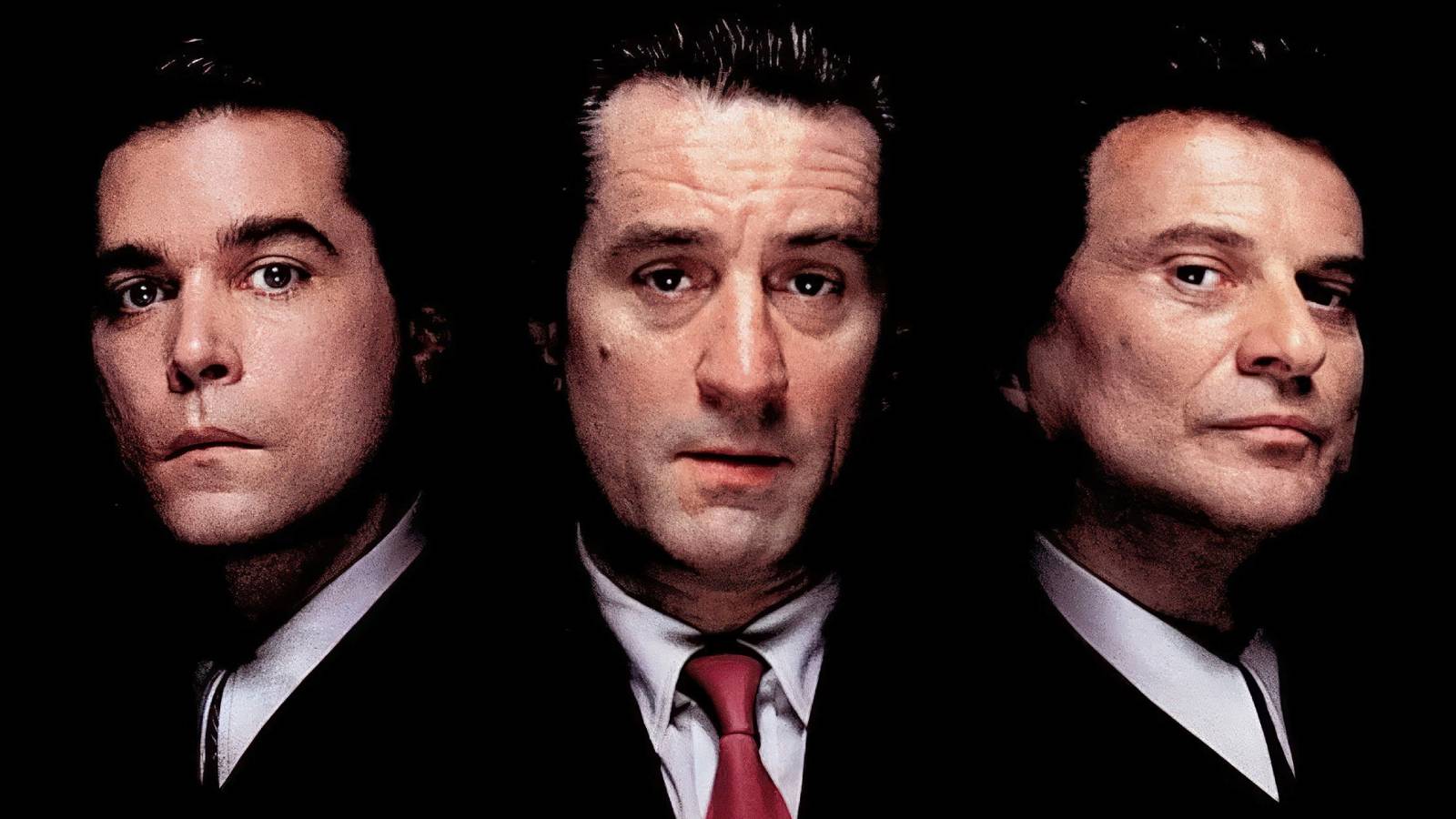
Martin Scorsese's kinetic, immersive journey into the mob lifestyle didn't just document criminality—it made audiences feel its addictive rhythm. From its groundbreaking use of voiceover and popular music to its unflinching portrayal of both the glamour and brutality of organized crime, Goodfellas became the template for modern crime biopics. Its influence echoes in countless films and shows that attempt to capture the visceral experience of life outside the law, setting a benchmark for energy and authenticity that remains unmatched.
12 Angry Men (1957)
Sidney Lumet's directorial debut demonstrated that the most compelling crime drama could unfold in a single room. By transforming a jury deliberation into a gripping psychological thriller, the film redefined courtroom narratives and explored profound questions about justice, prejudice, and reasonable doubt. Its claustrophobic intensity and moral complexity signaled a shift from Hollywood's classical period toward more psychologically nuanced storytelling, influencing legal dramas for generations.
Pulp Fiction (1994)
Quentin Tarantino's genre-shattering masterpiece didn't just tell crime stories—it exploded narrative conventions and reassembled them into something entirely new. Its non-linear structure, pop-culture-infused dialogue, and blend of brutal violence with dark comedy created a seismic shift in independent cinema. The film's success paved the way for the '90s indie revolution and inspired a wave of filmmakers to experiment with form, proving that crime narratives could be both intellectually daring and wildly entertaining. Its spirit lives on in modern works that challenge traditional storytelling, much like recent genre-redefining films continue to push boundaries.
The Enduring Influence
These cinematic milestones demonstrate that the crime genre serves as more than mere entertainment—it's a mirror reflecting society's evolving attitudes toward morality, justice, and power. From Rashomon's philosophical questions to Pulp Fiction's postmodern playfulness, each film expanded what crime stories could achieve. Their legacy continues in today's landscape, where streaming platforms deliver sophisticated crime narratives directly to viewers, and filmmakers still draw inspiration from these foundational works. As the genre evolves with new technology and cultural shifts, these ten films remain essential viewing—not just as historical artifacts, but as living blueprints that continue to inspire the next generation of storytellers to explore the dark, compelling world of crime on screen.