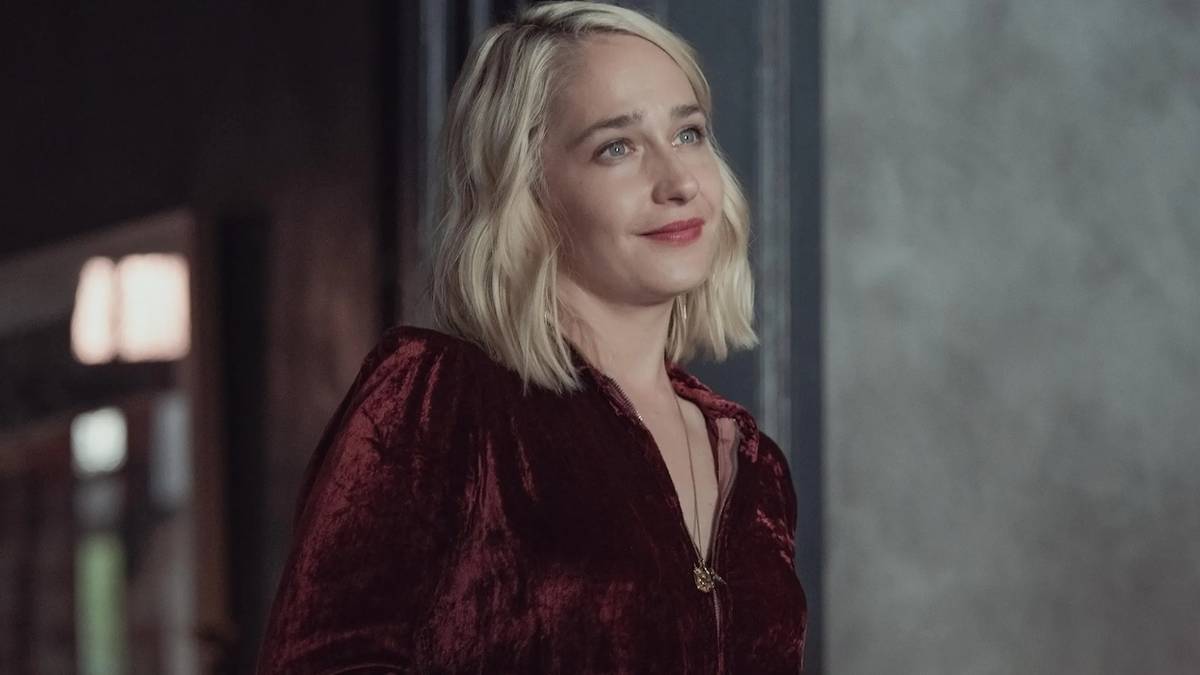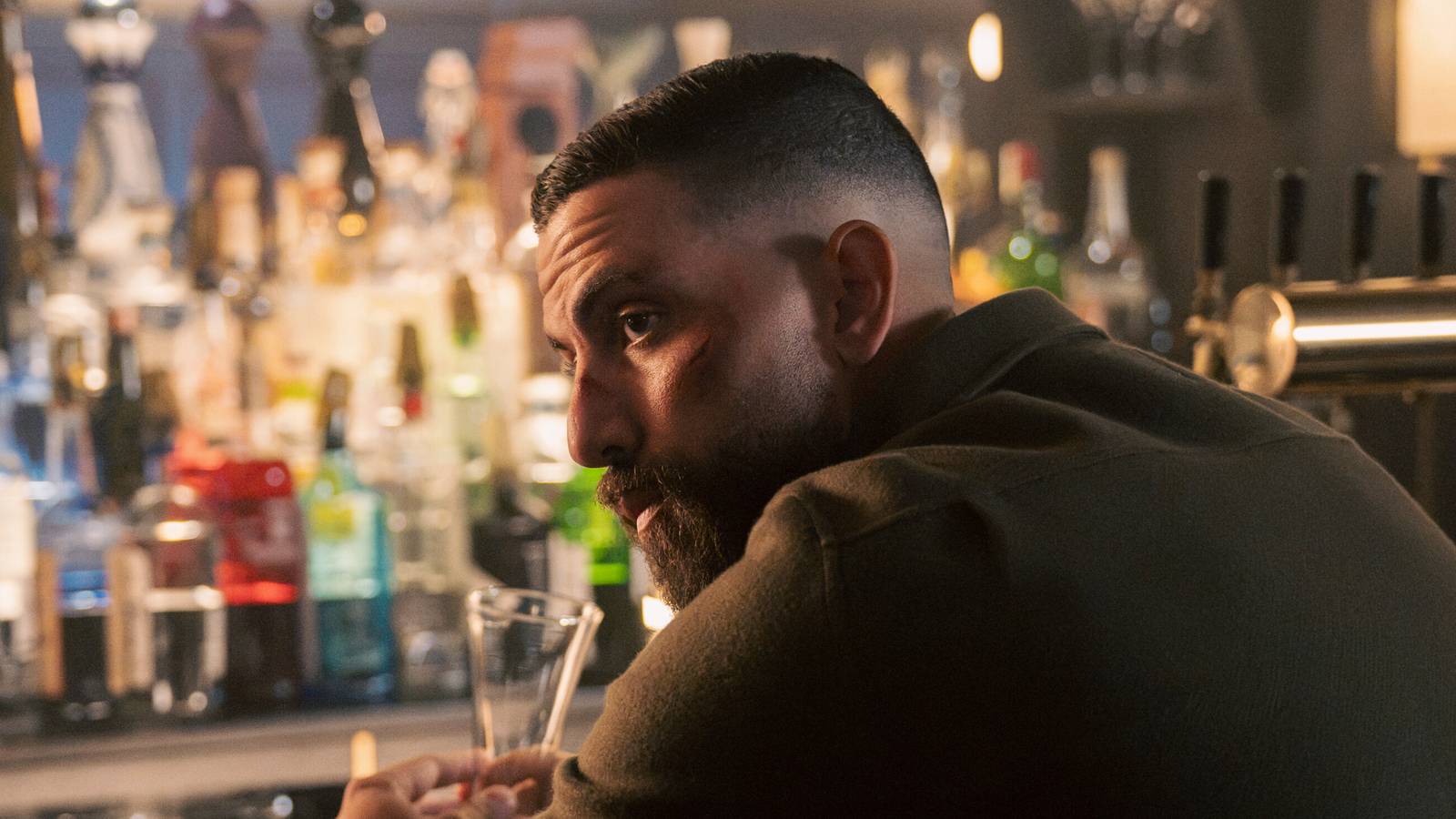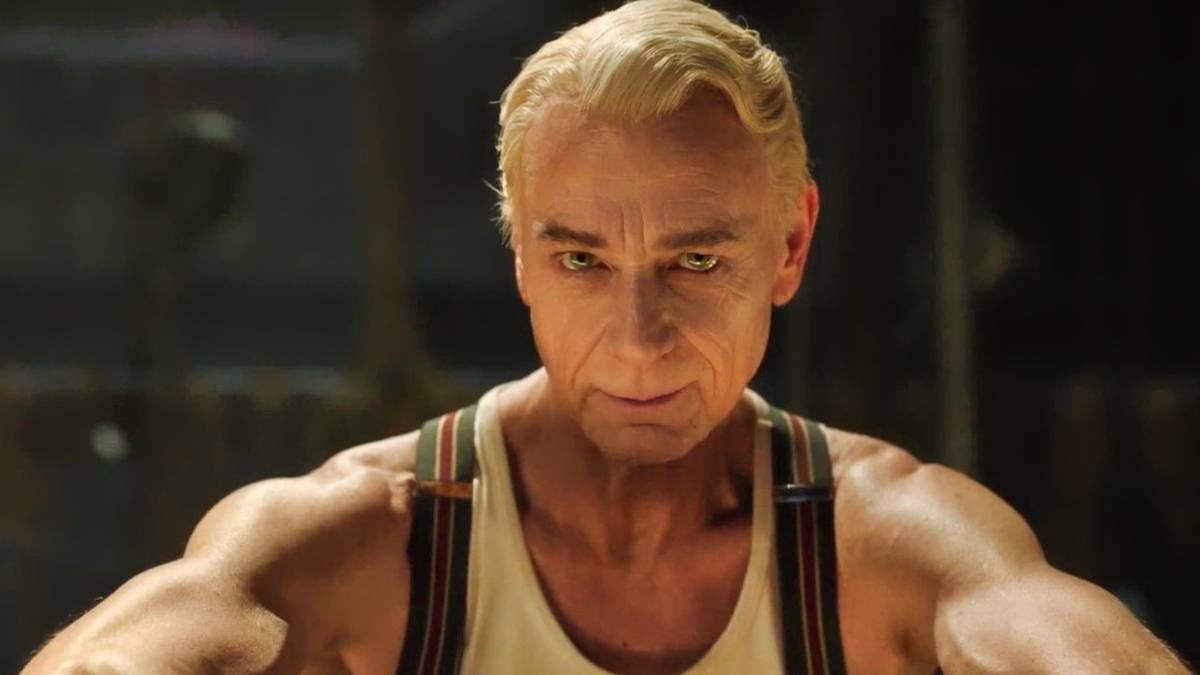
In a television landscape crowded with supernatural tales, AMC's Interview with the Vampire has carved out a singular space as a dark fantasy masterpiece. The series, a bold reimagining of Anne Rice's iconic novel, transcends its horror roots to deliver a psychologically rich drama about trauma, sexuality, and the haunting burden of eternal life. By shifting the setting and deepening the central romance between Louis and Lestat, the show has become one of the most critically acclaimed and emotionally resonant series on air.
A New Standard for Horror Television
While recent hits like Stephen King's shark horror pick 'Thrash' or shows like From deliver scares, Interview with the Vampire distinguishes itself by prioritizing emotional terror over simple jump scares. The horror here stems from the psychological torment of its immortal characters, their manipulative relationships, and the unreliability of memory itself. This sophisticated approach has earned the series near-perfect scores on Rotten Tomatoes, with a 98% for its first season and a flawless 100% for its second—a rare feat that underscores its narrative excellence.
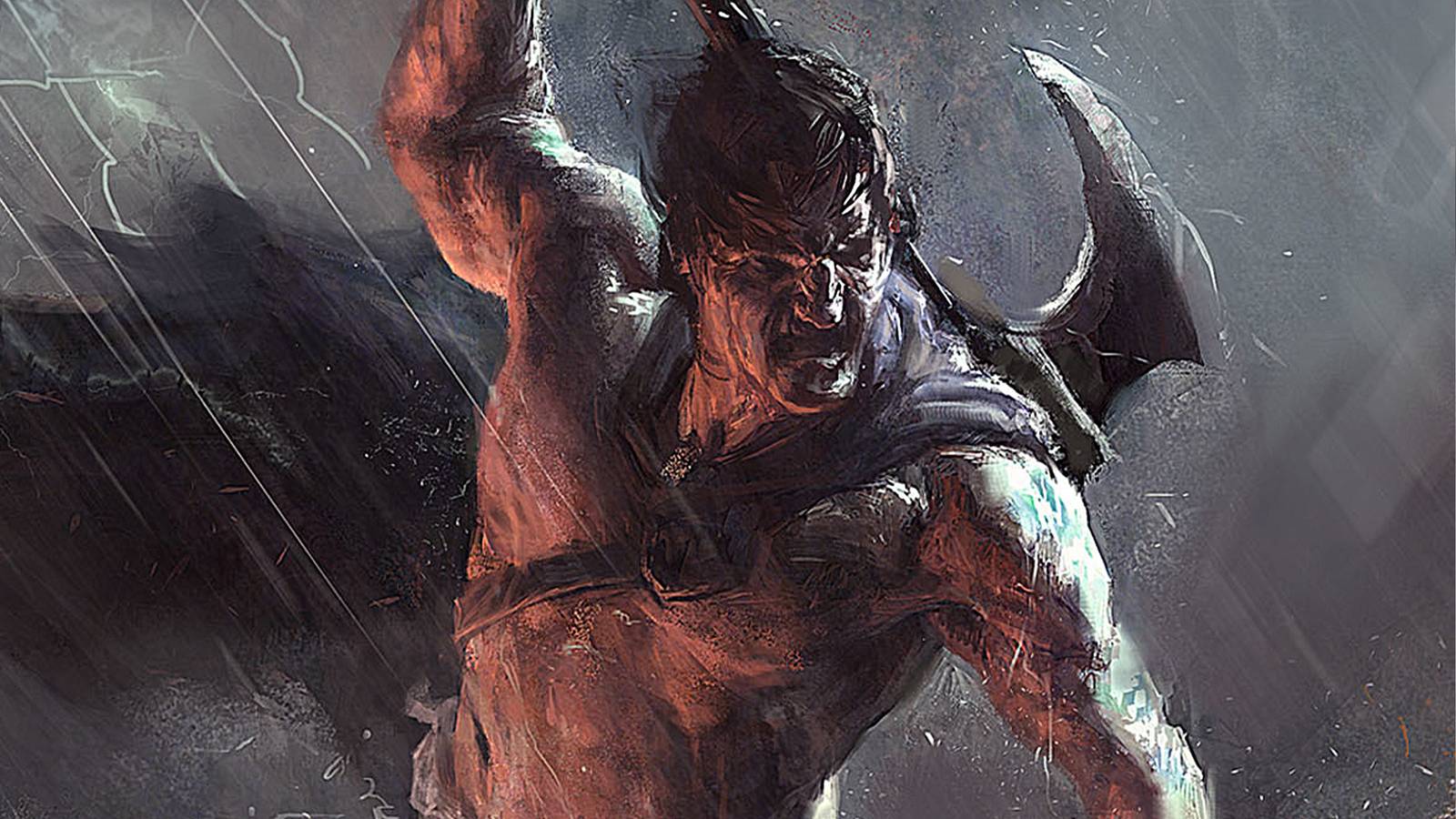
The show's lavish production and complex character dynamics set it apart from more episodic monster series. It delves into the emotional core of Louis's trauma and Lestat's mesmerizing cruelty, creating a captivating and manipulative dance that feels profoundly human despite its supernatural setting. This focus on character over convention has successfully elevated the entire genre.
Season 3 Promises a Radical and Rock-Fueled Rebirth
The saga is poised for its most dramatic evolution yet with the upcoming third season, which will undergo a significant rebranding as The Vampire Lestat. This title change, borrowed from Rice's 1985 sequel novel, signals a complete shift in perspective. After two seasons filtered through Louis's memories, the story will now be told through the eyes of the charismatic and dangerous Lestat, charting his rise to rock stardom.
This new chapter promises to expose Lestat's psyche as he wields growing influence over both vampires and humans during an event called the Great Conversion. Actor Sam Reid worked closely with composer Daniel Hart to craft original music that defines his character's arc, much of which he performs himself. This rock-and-roll backbone will provide a thrilling new rhythm to the Gothic tale, offering fresh dimensions to a story already celebrated for its depth.
Returning Faces and New Blood
The core cast returns to navigate this changed world. Jacob Anderson remains as the tormented Louis, while Assad Zaman reprises his role as the ancient vampire Armand. Eric Bogosian is back as journalist Daniel Molloy, and Delainey Hayles will return as Claudia despite her character's fate in Season 2. They'll be joined by an exciting roster of newcomers including Noah Reid (Schitt's Creek), Sarah Swire (The Boys), and Jennifer Ehle (Lioness).
Each season of Interview with the Vampire has built upon the last, with the first establishing its rich world and the second delivering epic, heart-wrenching drama. This pattern of consistent elevation mirrors other genre shows that get better with age, proving that thoughtful storytelling has lasting power. With its radical new focus, Season 3 is positioned to add compelling new layers of character depth and emotional complexity.
For fans seeking another immersive fantasy world after this, HBO's 'A Knight of the Seven Kingdoms' offers a perfect next binge. But for now, all eyes are on AMC's vampire epic as it prepares to cement its legacy not just as a great horror series, but as one of television's most daring and unforgettable dramas.