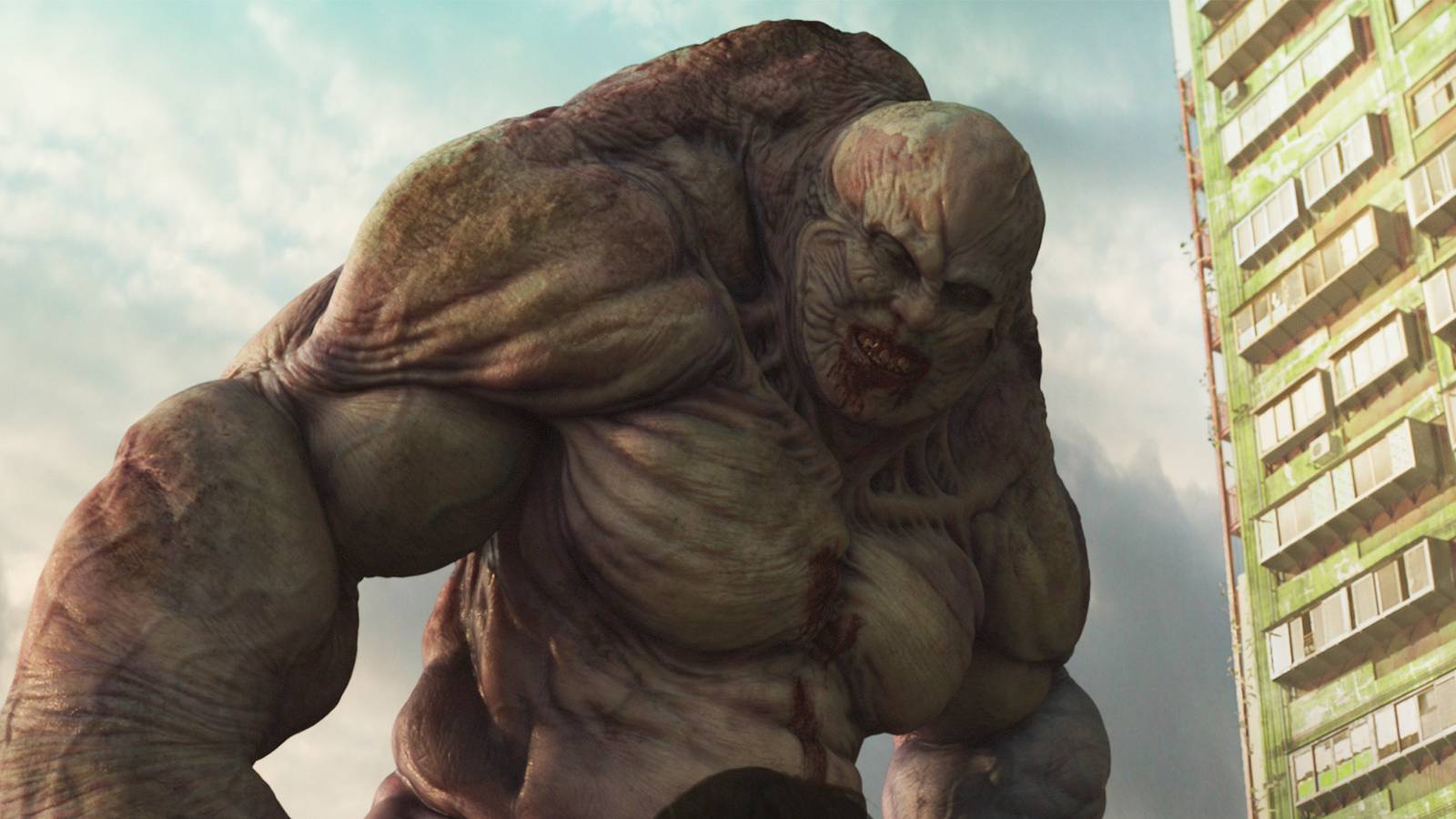
With Stranger Things now in the rearview mirror, Netflix subscribers are on the hunt for their next supernatural obsession. While the Duffer brothers have moved on to new projects, the streaming giant has a hidden gem that trades nostalgia for nightmare fuel: Sweet Home. This 26-episode Korean horror series doesn't just flirt with darkness—it dives headfirst into it, offering a brutal, unflinching take on the monster genre that makes Hawkins' Upside Down look like a playground.
Based on the hit webtoon by Kim Carnby and Hwang Young-chan, Sweet Home follows Cha Hyun-su (Song Kang), a teenager who survives a tragic car crash that kills his family. He moves into a rundown apartment complex called Green Home, hoping to start over. But his plans are shattered when a mysterious plague transforms people into grotesque monsters. Hyun-su and his neighbors must band together to survive, but there's a catch: Hyun-su himself can transform into one of these creatures, making him both a savior and a potential threat.

Why Sweet Home Hits Harder Than Stranger Things
At first glance, the two shows share DNA: a young protagonist with powers they don't understand, a ragtag group of survivors, and a world overrun by monsters. But Sweet Home takes risks that Stranger Things often avoided. Over five seasons, the Hawkins crew rarely faced real mortal danger—main characters always seemed to escape by the skin of their teeth. Sweet Home, however, isn't afraid to kill off its cast. By the end of Season 1, many of Hyun-su's neighbors have fallen to monsters or the military, and no one is safe.
This willingness to embrace tragedy gives Sweet Home a palpable sense of dread. Every episode feels like a life-or-death gamble, and viewers quickly learn that attachment is a liability. It's a refreshing change for fans who felt Stranger Things played it too safe in its final chapters.
A Hero Haunted by His Own Demons
While Eleven (Millie Bobby Brown) had Hopper and Mike to lean on, Hyun-su is profoundly alone. He hides his transformations from his new allies, and each shift takes a devastating toll on his body and mind. The loss of his family has left him suicidal, and he must battle his inner demons while facing the apocalypse outside. This psychological depth sets Sweet Home apart—it's not just about fighting monsters, but about the monster within.
The show's unflinching portrayal of trauma and isolation makes it a more mature, emotionally resonant experience. It's a stark contrast to the relatively upbeat tone of Stranger Things, and it's exactly what fans craving darker stakes have been looking for.
Part of a Korean Horror Wave on Netflix
Sweet Home isn't an outlier—it's part of a surge of Korean horror dramas that have found global audiences on Netflix. Shows like All of Us Are Dead (zombies in a high school) and Kingdom (zombies in the Joseon era) have proven that international storytelling can resonate worldwide. This boom can be traced back to the massive success of Squid Game, which opened the floodgates for Korean content. Netflix's chief content officer, Bela Bajaria, acknowledged this in a 2021 interview, noting that while they knew Squid Game would be big in Korea, its global explosion was unprecedented.
With Sweet Home racking up 43.8 million hours streamed in 2025, it's clear that audiences are hungry for more. If you're among the many Stranger Things fans feeling the void, Sweet Home is the perfect antidote. It's a show that doesn't pull punches, and it might just be the next big thing in horror television.
For more recommendations, check out our list of top-rated Netflix miniseries or dive into the greatest monster movies ever made. And if you're in the mood for more body horror, The Ruins is now streaming on Netflix.