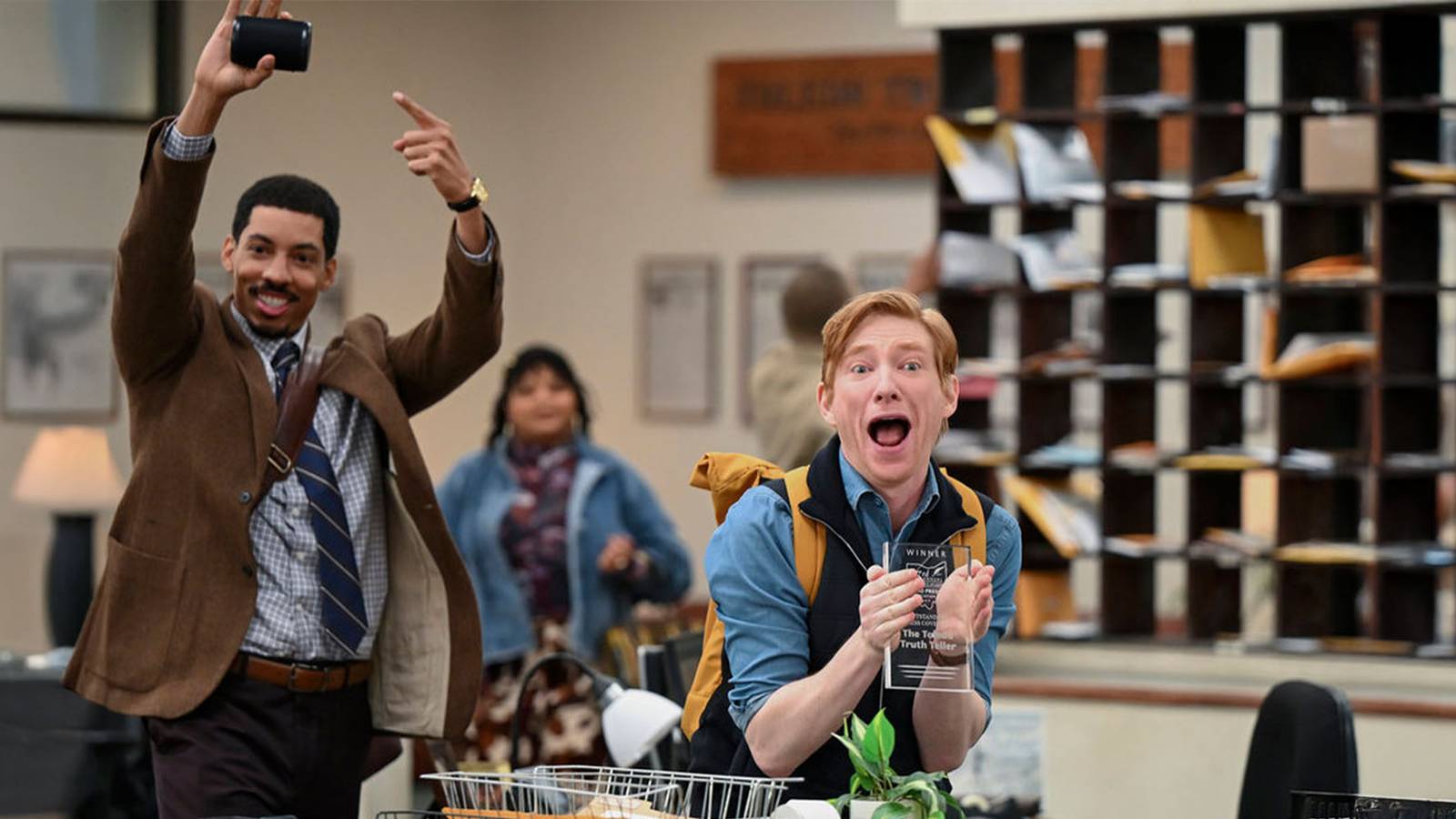
Spin-offs rarely live up to the originals, yet a handful—Frasier, Better Call Saul, Angel—have managed to stand tall on their own. The Paper, Peacock's attempt to recapture the magic of The Office, has the right DNA: a sharp ensemble, consistent laughs, and that same mockumentary rhythm. But after two seasons, a structural flaw is holding it back, and it has nothing to do with the writing.
The streaming problem
The Office aired 14 to 27 episodes per season across nine years on NBC. That volume gave viewers time to fall for everyone from Michael and Jim to Kevin and Kelly. The Paper, by contrast, drops just 10 episodes at once each season on Peacock. The result is a show that feels like a network sitcom but operates on a streaming schedule—and it's costing the series the breathing room that made its predecessor iconic.
Side characters on The Paper are funny, but they never get the chance to become fan favorites. Consider Oscar, a main character here. On The Office, Oscar was memorable because he had years of small moments to shine. With only 10 episodes per season, how could anyone besides the leads get that kind of screen time? The binge model also eliminates weekly appointment viewing and the water-cooler chatter that kept The Office alive for years.
Why episode count matters
Classic sitcoms built massive libraries—Friends, The Office, even Suits, which became a Netflix sensation years after it ended. Those long seasons, filler episodes and all, let audiences truly inhabit the world. Modern streaming originals rarely get that kind of episode order, and revisiting them later doesn't yield the same comfort. As we've seen with Netflix's Wonka show setting a Rotten Tomatoes record for the wrong reasons, short seasons can leave even high-profile projects feeling thin.
If The Paper had a few more episodes per season—or better yet, a permanent weekly slot on NBC—it could build the kind of legacy that The Office enjoys. Instead, it's stuck in a streaming model that prioritizes low budgets and actor flexibility over lasting cultural impact. That's a shame, because the show has the talent to join the ranks of TV's greats. It just needs more time.