Some stories are meant to stay on the page or the screen, not become a reality competition. Roald Dahl's Charlie and the Chocolate Factory is a tale about temptation, greed, and the quiet virtue of being a decent person. Netflix's Wonka's The Golden Ticket takes that classic and boils it down to a simple question: What if there were $3 million at the end?
The answer, based on the show's Rotten Tomatoes reception, is not sweet at all. The series wrapped its first season with an 11% critics' score and a 30% audience score, making it the lowest-rated Willy Wonka adaptation among fans. That places it below Tim Burton's Charlie and the Chocolate Factory (51%), the 1971 classic Willy Wonka & the Chocolate Factory (87%), and 2023's Wonka (90%).

Turning a Moral Fable into a Money Grab
The show brings twelve Golden Ticket holders and their partners into a lavish recreation of the Chocolate Factory, complete with an 88,000-square-foot set and a 27,000-gallon chocolate river. They face physical challenges, puzzles, and temptations inspired by Dahl's story, with the winner, Gabrielle Wright, taking home $3 million paid over 30 years.
There's nothing inherently wrong with adapting Wonka into a competition—the set design is genuinely impressive. But Dahl's story isn't about winning a prize. Charlie Bucket wins because he stays kind and humble, not because he outsmarts everyone. The Netflix series flips that, rewarding contestants for beating each other for cash. The show even frames its challenges as tests of character, with a jury of eliminated players deciding the final winner, but the incentive structure is all about greed.
Gene Wilder's AI Voice: Nostalgia Without Soul
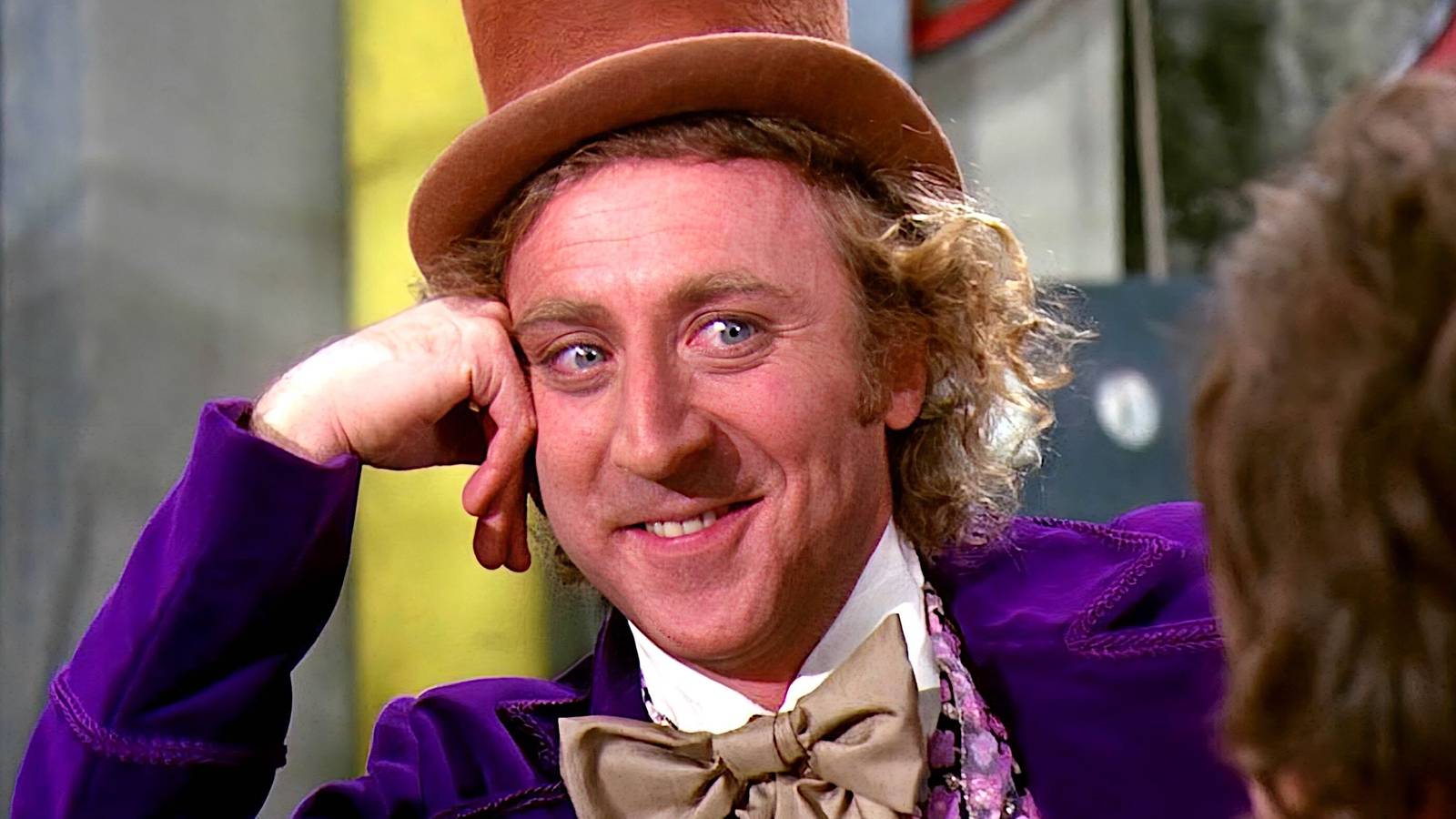
One of the most controversial choices was using AI to recreate Gene Wilder's voice as the show's guide. The Wilder Estate gave permission, and Wilder's widow said it was meant to honor his humor and heart. But Wilder's performance was all about his timing, his pauses, and his mischievous delivery—things no AI can replicate. Instead of adding magic, the voice feels like a hollow attempt to borrow credibility from a beloved performance. It's a reminder that this is a modern production trying to cash in on nostalgia, not create something original.
A Reality Show in a Candy-Coated Shell
Once the novelty of the chocolate river wears off, Wonka's The Golden Ticket is just another reality competition. Alliances, eliminations, strategy talk, and contestants worrying about trust—it's the same formula as every other show. The Willy Wonka world should feel like stepping into a child's imagination, but instead, it feels like a standard reality show with a candy theme.
Despite the critical drubbing, the show performed well for Netflix, debuting at No. 2 on the English-language TV chart with 4.6 million views in its first week. That puts it alongside Love Is Blind Season 10 as one of Netflix's stronger unscripted launches. So Netflix may have gotten what it wanted: a recognizable IP wrapped in a proven format, drawing in curious viewers even if critics aren't impressed.
In the end, Wonka's The Golden Ticket is a joyless answer to a question nobody asked. Dahl gave us a story about a poor boy who wins because he refuses to be greedy. Netflix gave us 24 contestants competing for $3 million. The magic is missing, and the Rotten Tomatoes score proves it.
For more on what's worth your streaming time, check out our Netflix binge guide or see why Unbreakable Kimmy Schmidt is still a must-watch.