October is the month when monsters crawl out of the shadows and onto our screens. They stare back at us from cereal boxes, haunt our Halloween costumes, and remind us why we love being scared. But not all monster movies are created equal. Sure, we all have a soft spot for cheesy creatures like The Blob or the campy chaos of Basket Case, but there's a higher tier—the kings of the monsters, the princes of darkness, the most lethal predators ever to stalk a frame.
These beasts come from every corner of the imagination: underground lairs, distant planets, mad science labs, and the darkest recesses of nature itself. They've been brought to life through stop-motion, makeup, animatronics, and CGI. Some are silent-era nightmares, others are cult favorites or modern blockbusters. But they all share one thing: they are the best monsters in film history, and they come from the best monster movies ever made.

Nosferatu (1922)
Vampires are among our oldest monsters, dating back to campfire tales and folklore. Over centuries, they've evolved in novels and films, each iteration adding new wrinkles to the mythology. Some cinematic vampires are romantic antiheroes, like Edward Cullen or the many suave Draculas. But for a truly monstrous bloodsucker, you have to go back to F.W. Murnau's Nosferatu. Max Schreck's Count Orlok is a gaunt, rat-like figure whose shadow alone is enough to chill your blood. The film, an unofficial adaptation of Bram Stoker's Dracula, introduced the idea that sunlight kills vampires—a rule now baked into most vampire lore. While modern audiences might not find it terrifying, its eerie visuals and oppressive atmosphere still haunt. Orlok remains one of the most unnerving portrayals of the undead.
Frankenstein (1931)
If we're talking about the undead, we can't ignore Frankenstein's monster. Ghouls, revenants, zombies—they all shuffle through monster movies, but few stand out like Boris Karloff's iconic creation. James Whale's adaptation of Mary Shelley's novel stripped away much of the creature's backstory, leaving Karloff to convey everything through grunts and moans. Yet his physical performance is nothing short of award-worthy. He makes the monster both threatening and pitiable, a tragic figure who earns our sympathy even as the villagers light their torches. Frankenstein isn't evil—he was just reanimated that way. He's the ultimate sympathetic monster, and one of the few Universal Monsters we actively root for.
King Kong (1933)
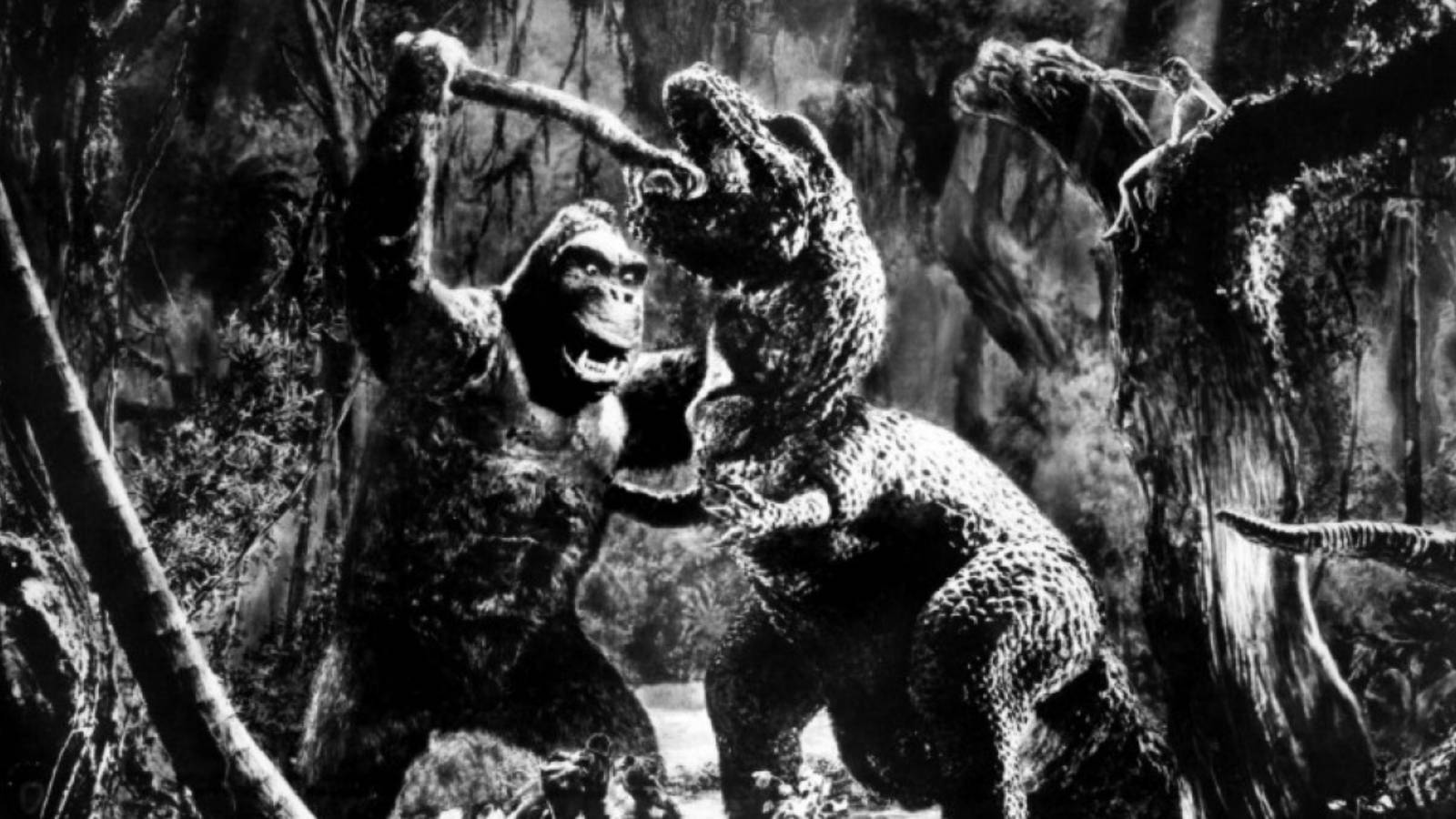
Frankenstein wasn't the only monster mistreated by humanity. King Kong was ripped from his home and put on display, so who can blame him for breaking loose, grabbing Fay Wray, and climbing the Empire State Building? The legendary ape was brought to life by Willis O'Brien, who later mentored Ray Harryhausen. O'Brien gave Kong a soul, making him more than just a giant beast. From the first glimpse of Skull Island to Kong's battle with a T-Rex, almost every scene is iconic. The human characters haven't aged well, but Kong's greatness only grows. Without him, there'd be no Jurassic Park, and no complete list of monster movies.
Godzilla (1954)
The most famous kaiju inspired by Kong is the one who stole his crown: Godzilla, King of the Monsters. The original 1954 film is far darker than the campy sequels that followed. Godzilla represented nuclear destruction, a raw nerve for Japanese audiences less than a decade after Hiroshima and Nagasaki. In America, the film was re-edited and Raymond Burr inserted as an audience surrogate, but the original still packs a punch. Godzilla is an ancient creature awakened by hydrogen bomb tests, and his rampage evokes the devastation of World War II. The model work may look quaint, but the tragic ending—and Godzilla's brief stint as a true monster—remains powerful.
Jaws (1975)
Some monsters don't need to be supernatural or alien. Sometimes nature itself is the monster. Steven Spielberg's Jaws made millions afraid to go in the water, and for good reason. The great white shark is a relentless killing machine, and the film's mechanical shark, nicknamed Bruce, became a nightmare for a generation. But what makes Jaws so effective is what you don't see. Spielberg's mastery of suspense, combined with John Williams' iconic score, turns a simple fish story into a masterpiece of terror. The shark may be a monster, but the real horror is human arrogance and the indifference of nature.
The Mummy (1932)
Before Brendan Fraser's action-packed romps, there was Boris Karloff's Imhotep in Universal's The Mummy. Karloff traded the monster's makeup for bandages and an ancient curse, delivering a chilling performance as a resurrected Egyptian priest. The film is a slow-burn horror, heavy on atmosphere and dread. Imhotep isn't just a shambling corpse—he's a calculating, supernatural force driven by love and revenge. His powers of hypnosis and shape-shifting make him one of the most formidable monsters of the era. The 1999 remake turned him into a CGI spectacle, but the original still stands as a classic of gothic horror.
Alien (1979)
In space, no one can hear you scream—but you'll still scream when the Xenomorph bursts onto the scene. Ridley Scott's Alien introduced one of the most terrifying creatures ever designed. H.R. Giger's biomechanical nightmare is a perfect killing machine, with acid for blood and a lifecycle that includes facehuggers and chestbursters. The film blends science fiction and horror seamlessly, creating a claustrophobic atmosphere aboard the Nostromo. Sigourney Weaver's Ripley became a feminist icon, but the alien is the real star. It's a monster that defies understanding, a pure embodiment of primal fear.
The Thing (1982)
John Carpenter's The Thing is a masterclass in paranoia and body horror. The shape-shifting alien can imitate anyone, turning a remote Antarctic research station into a nightmare of suspicion. Rob Bottin's practical effects are still jaw-dropping, creating grotesque transformations that feel disturbingly real. The Thing isn't just a monster—it's an infection, a force that could be anyone, even you. The film flopped upon release but has since been recognized as a classic. For those who love disturbing body horror, this is essential viewing.
Pan's Labyrinth (2006)
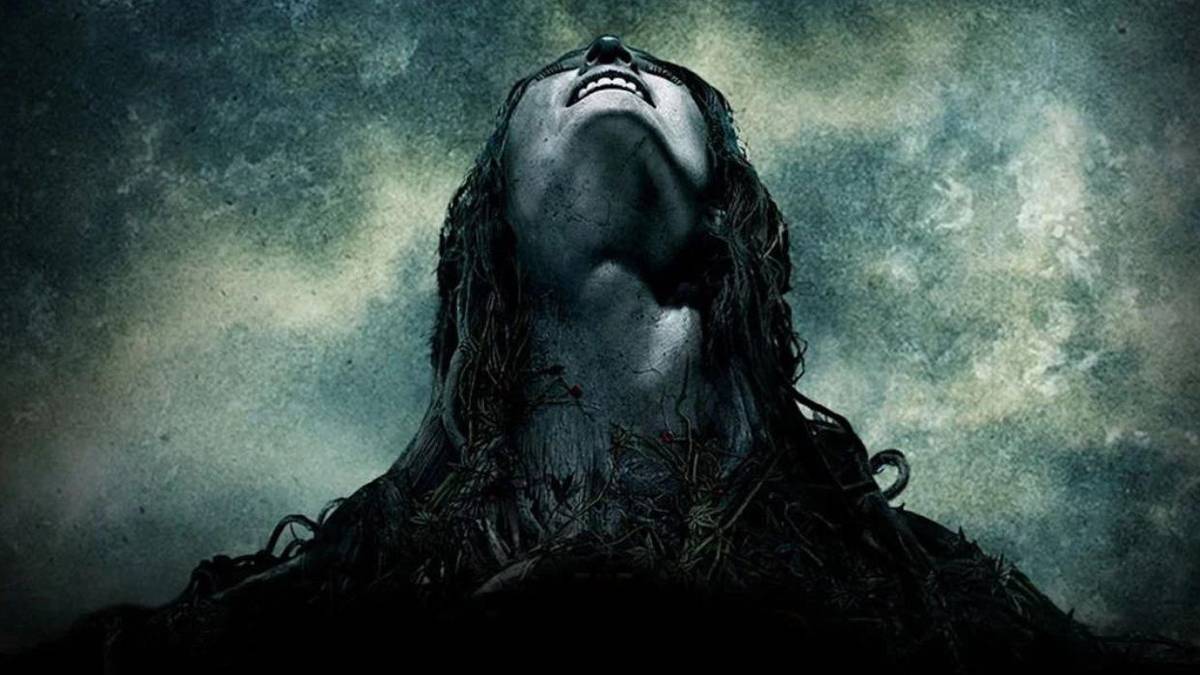
Guillermo del Toro's dark fantasy isn't a traditional monster movie, but it features one of the most memorable creatures in modern cinema: the Pale Man. With eyes in his palms and a taste for children, he's a terrifying embodiment of fascist cruelty. But the film's true monsters are human—the sadistic Captain Vidal and the horrors of war. Del Toro blends fairy tale and reality, creating a rich, haunting experience. The Pale Man sequence is a masterclass in suspense, and the creature's design is unforgettable. It's a reminder that monsters can be both literal and metaphorical.
Get Out (2017)
Jordan Peele's Get Out redefined what a monster movie could be. The monsters here aren't creatures or aliens—they're ordinary people with a insidious agenda. The Armitage family and their friends are chillingly polite, masking a horrific secret. The film's social commentary on race and appropriation is sharp, but it's also genuinely scary. The Sunken Place is a nightmare of its own, and the reveal of the true monster—the commodification of Black bodies—is both brilliant and horrifying. Get Out proved that the scariest monsters are often the ones hiding in plain sight.
From silent-era vampires to modern social thrillers, these ten films represent the pinnacle of monster cinema. They've scared us, moved us, and made us think. Whether they're lurking in the shadows or hiding in plain sight, these monsters have earned their place in film history. So this October, dim the lights, lock the doors, and enjoy the best creature features ever made. Just don't blame us if you check under the bed afterward.