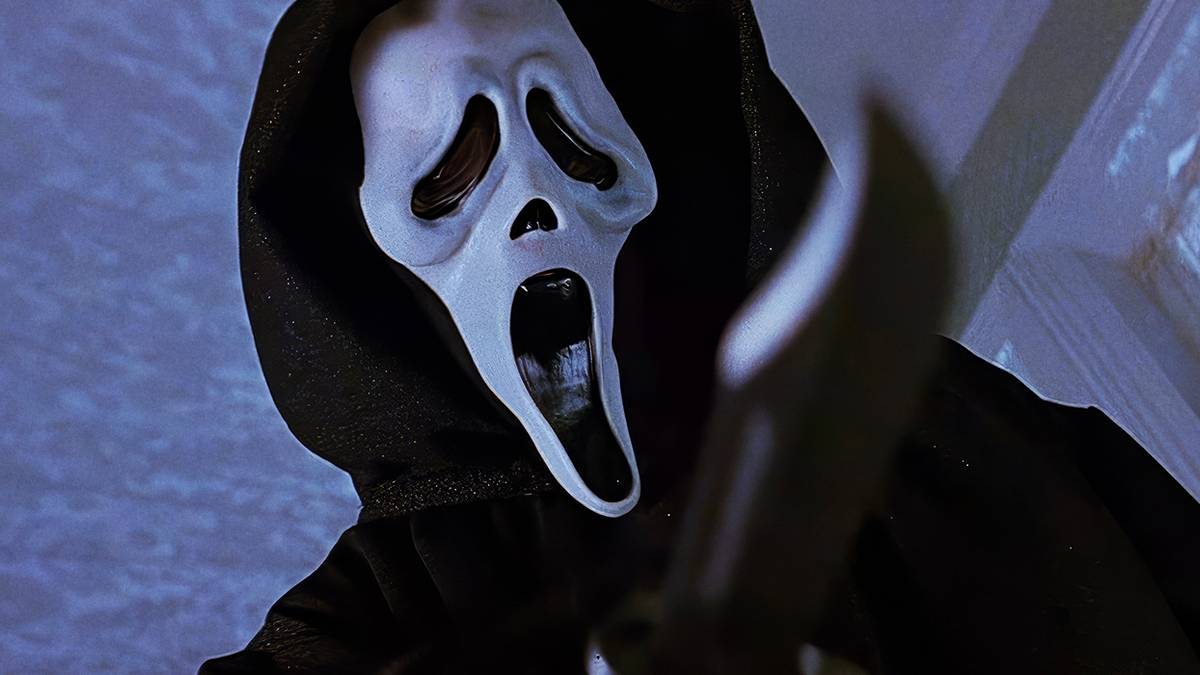
When Scream 4 hit theaters in 2011, it marked Wes Craven's final film as a director. Now, composer Marco Beltrami—who scored all four Scream movies—is shedding light on the production, claiming that Craven wasn't exactly thrilled to return to Woodsboro. In a recent interview, Beltrami described the sequel as "uninspired" and suggested that Craven only signed on due to studio pressure.
Beltrami's comments carry weight. He helped define the franchise's musical identity, so his perspective on the creative atmosphere is worth noting. But Craven's own account of why he made Scream 4 paints a more complicated picture—one where initial enthusiasm may have been worn down by the realities of production.
A Reluctant Return?
According to Beltrami, Craven didn't want to make Scream 4. The composer said he himself was hesitant to work on the project and felt Craven shared that reluctance. He characterized the film as driven by studio demands rather than a fresh creative impulse. That's a blunt assessment from someone who was in the room, but it's also just one perspective.
Craven, who passed away in 2015, addressed his return to the franchise back in 2011. He admitted he had questioned whether coming back after the original trilogy was a good idea. He wanted to explore other genres, and a decade away from Ghostface gave him that chance. But eventually, the idea became appealing again—largely thanks to Kevin Williamson's pitch for the sequel.
"At that point I didn't have any doubts at all," Craven told JoBlo at the time. That doesn't sound like a director who was forced into the project. However, getting excited about a script and enjoying the shoot are two different things.
Creative Tensions on Set
Craven also described contributing his own writing and extensive script notes, as well as clashing with producer Bob Weinstein over creative decisions. He credited Weinstein with some ideas that improved the movie, suggesting their relationship was contentious but not entirely unproductive. Still, the friction may have taken a toll.
Beltrami's recollection adds another layer to the story. He was part of the collaboration, so his take can't be dismissed. Yet it can't tell us everything about Craven's intentions. The director's own words suggest he believed there was a good movie to make when he signed on. Whether that belief survived every argument is harder to know.
What's clear is that Scream 4 was a difficult production. It underperformed at the box office and received mixed reviews, though it has since gained a cult following. Some fans appreciate its meta-commentary on remakes and its brutal kills. Others see it as a lesser entry in the franchise.
For those interested in Craven's other underappreciated work, his 2005 werewolf film Cursed has also been reevaluated in recent years. And for more horror news, check out the creator of Coven Academy on the show's CW DNA.
Two Sides of the Same Story
Ultimately, Beltrami and Craven offer different perspectives on the same experience. Beltrami remembers a director who wasn't invested. Craven remembered a story that convinced him to return, even if the process was fraught. Neither account requires treating a difficult production as proof that the idea was worthless.
What remains is the film itself—flawed, fascinating, and the final chapter in Craven's legendary career. Whether he wanted to make it or not, Scream 4 exists as a testament to a director who, even when uninspired, still knew how to craft a scare.