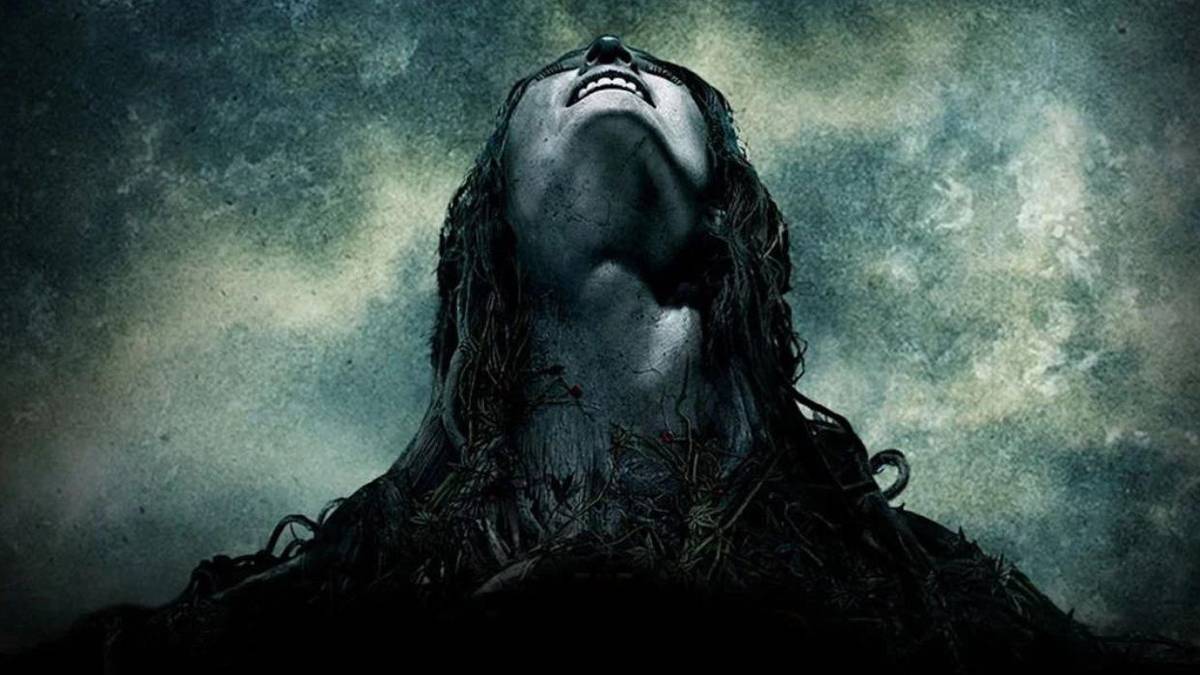
When it comes to horror, few things get under our skin quite like body horror—the subgenre that twists, mutilates, and transforms the human form into something monstrous. From the iconic Alien franchise to modern hits like The Substance, this niche has a way of haunting us long after the credits roll. But one film that often gets overlooked in this conversation is The Ruins, a 2008 gem that took a seemingly absurd concept—killer plants—and turned it into a gruesome, unflinching nightmare. Now that it's landed on Netflix, it's the perfect time to revisit this underrated terror.
A Silly Premise, A Terrifying Execution
Directed by Carter Smith and based on Scott Smith's bestselling novel (which Smith also adapted for the screen), The Ruins follows two young couples who are lured to an ancient Mayan ruin by a tourist searching for his missing brother. What starts as a scenic detour quickly becomes a fight for survival when they discover the ruins are overrun by a sentient vine that burrows into human flesh, forcing the group to take drastic, self-mutilating measures to rid themselves of the infestation.

On paper, a killer plant sounds like something out of Little Shop of Horrors, but The Ruins plays it completely straight. The film cranks up the blood and gore to eleven, but it's the psychological horror that truly sets it apart. Watching characters slice open their own skin or amputate limbs is unsettling enough, but the film plants a deeper dread: the vine could be inside anyone at any moment. One character, Stacy (Laura Ramsey), becomes so consumed by the fear of something living inside her that she hacks herself apart with a knife, accidentally killing her boyfriend in the process. It's a visceral depiction of how the violation of one's own body can drive a person to madness.
Horror in Broad Daylight
What makes The Ruins even more unnerving is its setting. Unlike most horror films that rely on darkness and shadows, this one unfolds in the bright, unforgiving sunlight. The picturesque landscape around the ruins contrasts starkly with the graphic violence, creating a dissonance that amplifies the terror. This technique, later popularized by films like Midsommar, was ahead of its time in 2008.
The vine itself is a faceless, illogical threat. There's no reasoning with it, no fighting back—just an inexorable, creeping doom. The characters are trapped, their relationships fraying as the vine mimics their friends' voices, playing on their insecurities and paranoia. It's a survival horror that offers little hope, and that's exactly what makes it so effective.
Ahead of Its Time
When The Ruins was released, body horror wasn't the hot commodity it is today. But in recent years, films like Old, Evil Dead Rise, and Lee Cronin's The Mummy have embraced the subgenre's grotesque possibilities. The Ruins now feels like a precursor to this trend, aging with grace and even feeling prophetic. It's a dark, grisly, and unapologetically brutal survival story that deserves a place among the greats.
If you're a fan of horror movies that never miss a beat, or if you're looking for something to scratch that body horror itch, The Ruins is a must-watch. And with its recent addition to Netflix, there's no better time to discover—or rediscover—this hidden gem. Just be prepared to look at plants a little differently.