Three hours. 180 minutes. 10,800 seconds. Imagine every single one of them being flawless. There is something uniquely awe-inspiring about a truly great epic—a film that uses its monumental runtime to explore deep themes, build vast worlds, and leave you breathless. These are the movies that prove longer can be better, where every minute is earned and nothing feels wasted.
To be clear, we're only talking about films that genuinely cross the 180-minute threshold. So while The Godfather (175 minutes), Patton (172 minutes), and the first two Lord of the Rings films (178 and 179 minutes) are all masterpieces, they don't make the cut. Extended editions and director's cuts are also excluded—we're looking at the theatrical versions that dared to be long and succeeded spectacularly.
7. Lawrence of Arabia (1962)
When people think of Lawrence of Arabia, they often picture those sweeping desert shots—the vast, golden dunes under a blazing sun. David Lean's epic is visually stunning, with cinematographer Freddie Young capturing the immense scale of the desert and the tiny figures moving through it. But this is more than just a pretty picture; it's a profound character study anchored by Peter O'Toole's magnetic performance.
The film follows T.E. Lawrence, a British officer sent to unite Arab tribes against the Turks during World War I. As he becomes more involved with the people he's meant to lead, the movie transforms from a war epic into a complex exploration of ego, loyalty, and identity. Lawrence's journey is as much about his inner turmoil as his military triumphs, making for one of Hollywood's most enduring achievements.
6. The Human Condition Trilogy (1959-1961)
It might seem like a cheat to include an entire trilogy, but The Human Condition is a single, continuous story that happens to be split into three films, each about three hours long. Together, they run over nine and a half hours, and every minute is worth it. This is one of the most powerful anti-war statements ever committed to film.
The saga follows a Japanese conscientious objector who gets caught up in World War II, from POW camps to the front lines. His idealism is slowly crushed by the brutal machinery of war, and the film doesn't shy away from the moral compromises he's forced to make. Director Masaki Kobayashi and star Tatsuya Nakadai both served in the war, and their personal experiences lend the film an authenticity that's impossible to fake.
5. Barry Lyndon (1975)
Stanley Kubrick's Barry Lyndon is often hailed as one of the most beautiful films ever made, and for good reason. The cinematography, which uses natural light and painterly compositions, makes every frame look like an 18th-century masterpiece. But beneath that gorgeous surface lies a sharp, satirical look at class and ambition.
Ryan O'Neal plays Redmond Barry, an Irish rogue who climbs the social ladder through any means necessary—lying, cheating, and even dueling. His quest to become a gentleman is both amusing and tragic, and Kubrick's patient pacing allows the story to unfold with a hypnotic rhythm. It's a film that rewards patience, and its critique of social climbing feels just as relevant today as it did in 1975.
4. Schindler's List (1993)
Steven Spielberg's Schindler's List is a devastating look at the Holocaust that many consider a masterpiece they can only watch once. Liam Neeson stars as Oskar Schindler, a Nazi businessman who uses his influence to save over a thousand Jewish workers from concentration camps by employing them in his factories.
The film is unflinching in its depiction of violence and inhumanity, but it's also a testament to the power of individual courage. Spielberg's direction is masterful, using black-and-white cinematography and John Williams' haunting score to create an experience that's both harrowing and deeply moving. It's a film that stays with you long after the credits roll.
3. The Lord of the Rings: The Return of the King (2003)
If extended editions were allowed, the entire Lord of the Rings trilogy could easily dominate this list. But even the theatrical cut of The Return of the King is a monumental achievement. At 201 minutes, it's the longest of the three films, and it brings the epic saga to a satisfying and emotional conclusion.
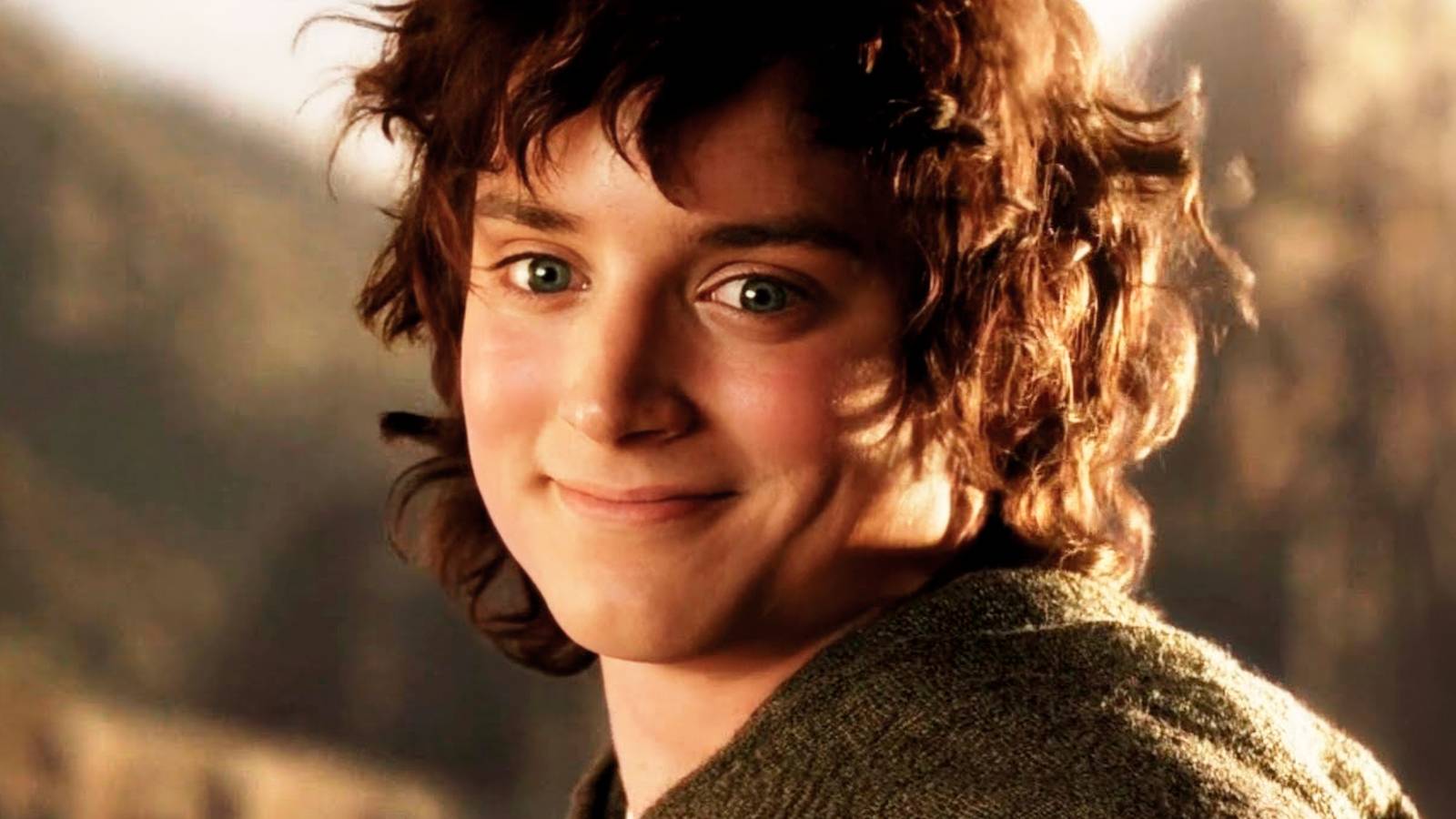
The film picks up with Frodo and Sam still struggling to destroy the One Ring, while Aragorn leads the forces of good in a final battle against Sauron. It's a story about friendship, sacrifice, and the triumph of hope over despair. Peter Jackson's direction is flawless, and the film's multiple endings—while famously long—give each character the closure they deserve. It's a fitting end to one of cinema's greatest trilogies.
2. Once Upon a Time in America (1984)
Sergio Leone's Once Upon a Time in America is a sprawling crime epic that spans decades in the lives of Jewish gangsters in New York City. The film's 229-minute runtime allows it to explore its characters in depth, from their childhoods in the 1920s to their old age in the 1960s.
Robert De Niro and James Woods deliver career-best performances as childhood friends whose paths diverge dramatically. The film is a meditation on friendship, betrayal, and the American Dream, and Leone's direction is as stylish as ever. It's a slow burn, but every scene adds to the rich tapestry of the story. This is a film that demands your full attention and rewards it with one of the most poignant endings in cinema history.
1. Seven Samurai (1954)
Akira Kurosawa's Seven Samurai is not just one of the greatest films over three hours—it's one of the greatest films ever made, period. At 207 minutes, it tells the story of a village that hires seven ronin to protect it from bandits. The plot is simple, but the execution is flawless.
Kurosawa's direction is masterful, blending action, drama, and humor in a way that feels effortless. The characters are richly drawn, from the veteran leader Kambei to the impulsive young Kikuchiyo. The film's influence can be seen in countless movies that followed, from The Magnificent Seven to A Bug's Life. It's a testament to the power of storytelling and a reminder that great art doesn't need to be short to be perfect.
These films prove that sometimes the best things come in long packages. Whether you're in the mood for a desert epic, a war saga, or a crime drama, these masterpieces are worth every minute of your time. And if you're looking for more cinematic excellence, check out our list of uplifting war movies or dive into the most controversial films ever made.