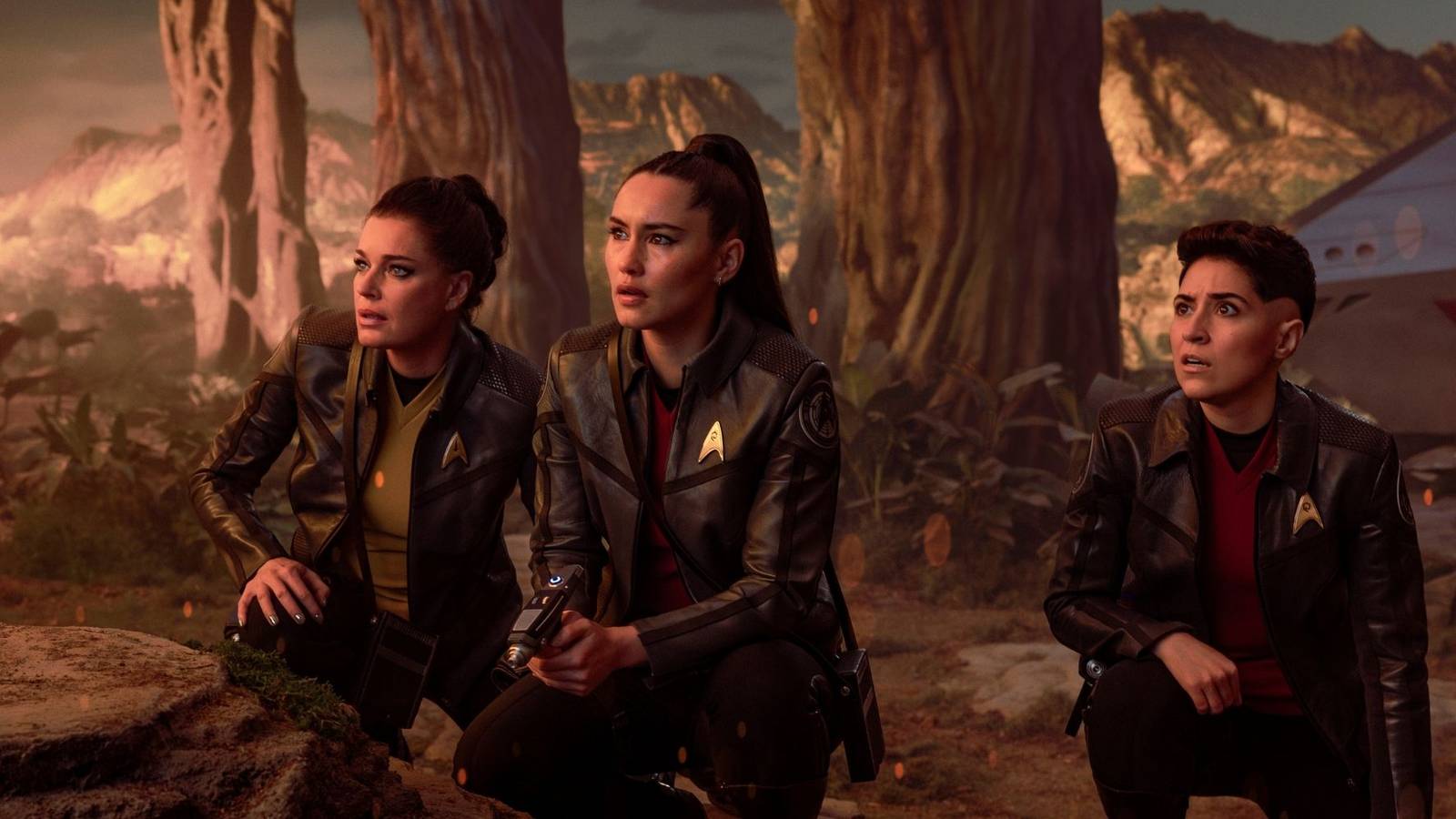
Just one year after the Season 3 finale, Star Trek: Strange New Worlds returns to Paramount+ this week, kicking off alongside the franchise's 60th anniversary celebrations at San Diego Comic-Con on July 23. After Season 3 ended with the controversial death of Captain Batel (Melanie Scrofano), Season 4 attempts to get back to basics—but for better and worse, it's a return to form that highlights both the show's strengths and its persistent weaknesses.
The first six episodes, provided for review, showcase the series' signature genre-hopping ambition. From horror to buddy comedy, noir to puppetry, each installment feels like a mini-movie. The visual effects, practical props, and cinematic camera work push boundaries, making Season 4 stand out not just from previous seasons but from anything else on TV right now. Dinosaurs, sticky sci-fi effects, black-and-white noir, and a psychedelic trip for the ages make this a visual feast. As Akiva Goldsman told Collider, 'our worlds are genres,' and that philosophy shines through.
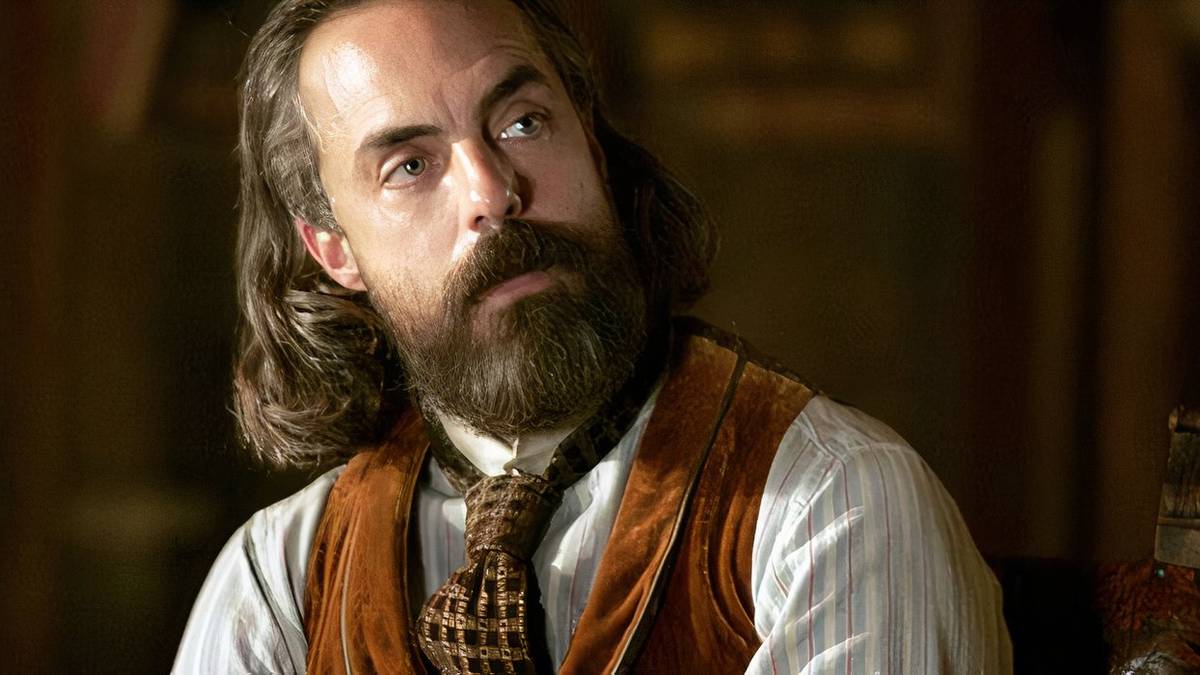
However, the same old problems persist. The characters of the USS Enterprise continue to be treated like props rather than people. Week to week, they seem to emotionally reset, ready for the next adventure, with previous experiences having little effect on their current behavior. The plot dictates their actions, not the other way around. This is especially frustrating given the emotional weight of last season's finale, where Pike (Anson Mount) lived an entire lifetime with Batel before being returned to reality—an experience reminiscent of Picard's 'The Inner Light.' Yet in Season 4, Pike moves on as if it never happened; Batel may as well have never existed. Pike often appears only to offer sage captainly advice or comic relief, becoming a caricature of himself.
There are bright spots. Paul Wesley's Kirk grapples with fatherhood fears, and together with Ethan Peck's Spock and Christina Chong's La'an, they star in a compelling psychological horror episode. Ortegas (Melissa Navia) and Scotty (Martin Quinn) evolve from animosity to a dynamic reminiscent of Data and Geordi. Scotty and Pelia share moments elevated by Carol Kane's talent. Una (Rebecca Romijn) and Uhura (Celia Gooding) finally get a spotlight in an episode reminiscent of Star Trek: Voyager's 'The Killing Game.' Chapel (Jess Bush) and M'benga (Babs Olusanmokun) are pushed into new territory that sets up their classic Star Trek futures.
Yet beyond these moments, interpersonal relationships—romantic and platonic—feel like an afterthought. The show still lacks a single explicitly queer character, and without Pike and Batel, Season 4 feels devoid of romantic love. It's fallen into the 'everyone is beautiful, no one is horny' trap. Spock's love life remains the most active, but key emotional developments happen off-screen or in dreams. Kirk and Spock enthusiasts will enjoy classic subtext, but even here, the most interesting developments are shared after the fact, robbing the audience of emotional intimacy on screen.
For a deeper dive into the show's approach to horror, check out our analysis of how 'Strange New Worlds' turned the Gorn into a nightmare. And if you're curious about what's coming, we've got an exclusive look at the Season 4 episode titles.
Season 4 finds its footing in terms of what it wants to be—a wild, genre-hopping adventure—but that realization comes at the cost of character depth. The crew of the Enterprise remains entertaining but emotionally hollow. For a show that once promised to explore strange new worlds, it's frustrating to see it settle for surface-level thrills while leaving its characters stranded in orbit.