Long before dragons soared over King's Landing, HBO took a gamble on a different kind of fantasy—one steeped in dust, mysticism, and moral ambiguity. Carnivàle, created by Daniel Knauf, was a 24-episode saga that blended the grit of the Great Depression with a cosmic battle between light and darkness. It was ambitious, atmospheric, and unlike anything else on television at the time. Yet, despite its bold vision, the show was unceremoniously canceled after just two seasons, leaving its grand narrative unfinished.
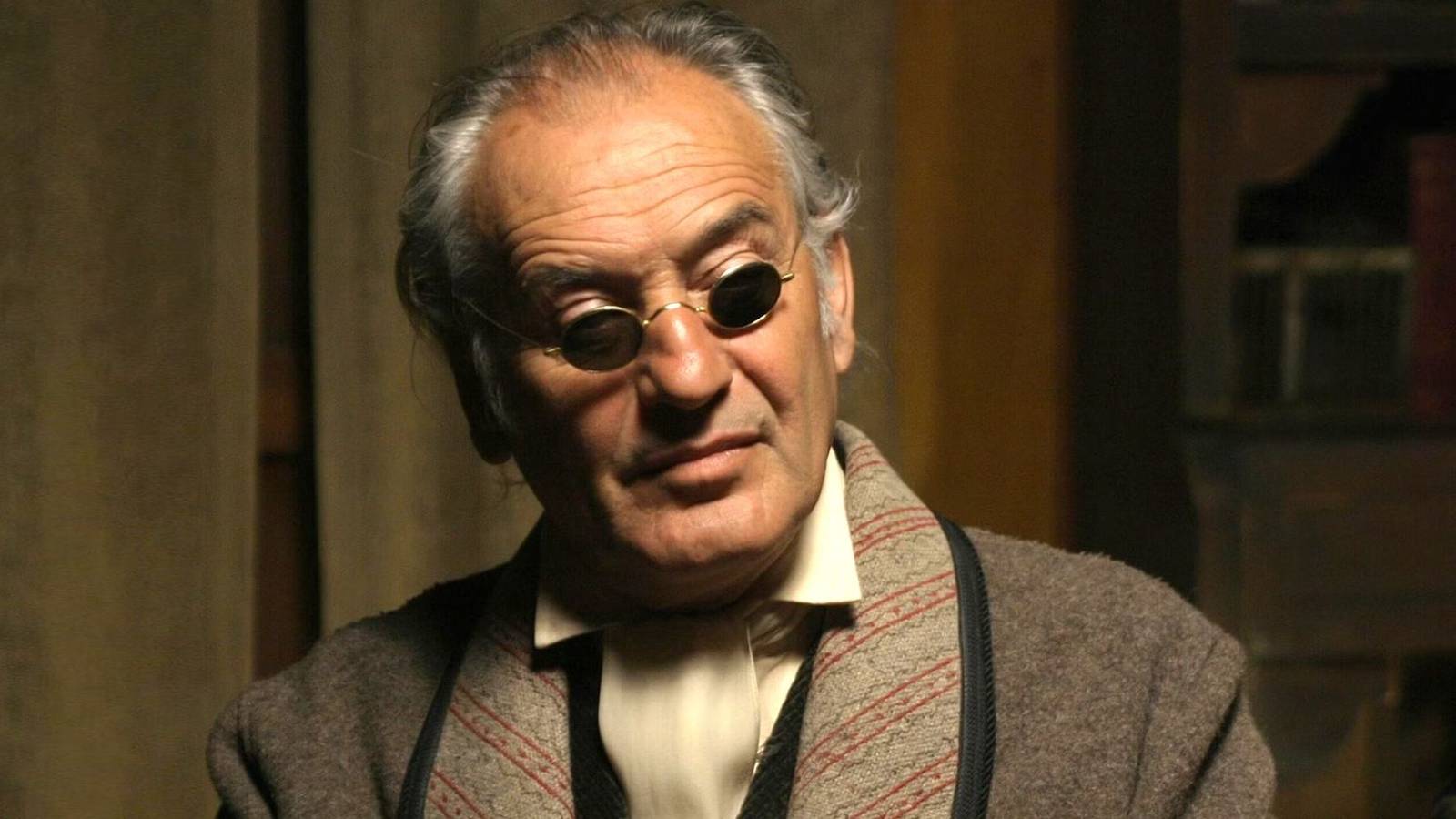
Set against the backdrop of the 1930s Dust Bowl, Carnivàle followed two seemingly ordinary men whose destinies were intertwined. Ben Hawkins (Nick Stahl), a young farmer who joins a traveling carnival, discovers he possesses the power to heal. Meanwhile, Brother Justin Crowe (Clancy Brown), a Methodist minister, realizes he can bend others to his will. Both are haunted by visions of a mysterious figure named Henry Scudder, and their paths slowly converge as they uncover their true natures.
An Ambitious Mythology Ahead of Its Time
What set Carnivàle apart was its intricate mythology. Ben and Justin were revealed to be Avatars—embodiments of light and darkness, respectively. The supporting cast, including fortune-teller Sofie (Clea Duvall) and the enigmatic carnival leader known as Management, all played roles in this celestial conflict. This layered storytelling, which rewarded patient viewers, was a precursor to the "mystery box" approach later popularized by shows like Lost.
But the show's complexity proved to be a double-edged sword. While HBO heavily promoted Carnivàle, even scheduling its premiere after the Sex and the City finale, critical reception was mixed. Some praised the performances and atmosphere, while others found the dense plot difficult to follow. In hindsight, the show may have simply been ahead of its time—its slow-burn, mythic style would later become a hallmark of HBO's biggest hit, Game of Thrones.
A Six-Season Vision Cut Short
Knauf envisioned Carnivàle as a trilogy of two-season "books," totaling six seasons. But declining viewership and rising production costs led HBO to pull the plug after only two. Fan campaigns to revive the show, whether as a film or on another network, never materialized. Knauf later explained that the series was designed for television, and its deliberate pacing was intentional.
"Carnivale was never just about story. It was in the telling. Tone, pace, visuals, beauty and horror living side-by-side. A big part of what we tried to do was evoke a state of mind, to evoke symbology that resonates at a very primitive level."
Today, with HBO's continued investment in fantasy—from His Dark Materials to the many Game of Thrones spin-offs—Carnivàle feels ripe for a revival. Its blend of mythic imagery and complex characters would fit perfectly in the streaming era, where audiences have shown a tolerance for intricate, serialized storytelling. Shows like these canceled shows prove that fans are eager for closure, and Carnivàle deserves the same chance.
Knauf has even shared glimpses of his plans for future seasons, and they sound too compelling to ignore. Before Game of Thrones became the gold standard for fantasy on television, Carnivàle had already demonstrated how ambitious the genre could be. It's time to let this forgotten gem shine again.