Nearly a decade after its polarizing finale, HBO's Game of Thrones still looms large over television, spawning prequels and endless debate. When fans argue over the show's best episode, names like "The Rains of Castamere" and "Battle of the Bastards" often surface. But one installment from the very first season quietly laid the groundwork for everything that followed—and remains the series' most essential hour.
That episode is "Baelor," the penultimate chapter of Season 1. It lacks the epic battles and dragon fire of later seasons, yet it delivers something far more impactful: a gut-punch that redefined what audiences could expect from prestige TV. By killing off its most honorable character, the show announced that no one—no matter how beloved—was safe.
The Shocking Death That Changed Everything
At the center of "Baelor" is the execution of Ned Stark, played with gravitas by Sean Bean. Ned was the story's moral compass, a man whose unwavering honor set him apart in a world of scheming liars. Bean's star power led many to believe Ned would somehow survive, even as he confessed to treason to protect his daughters. Instead, the boy-king Joffrey—deliciously vile in Jack Gleeson's performance—ordered his beheading, and the sword fell.
That moment didn't just shock viewers; it established Game of Thrones' brutal ethos. The series would later become infamous for killing off major characters, but Ned's death was the first true twist, proving that heroism offered no protection. It also set the stage for Joffrey's reign of terror, hinting at the chaos his unchecked cruelty would unleash across the Seven Kingdoms.
More Than Just a Death
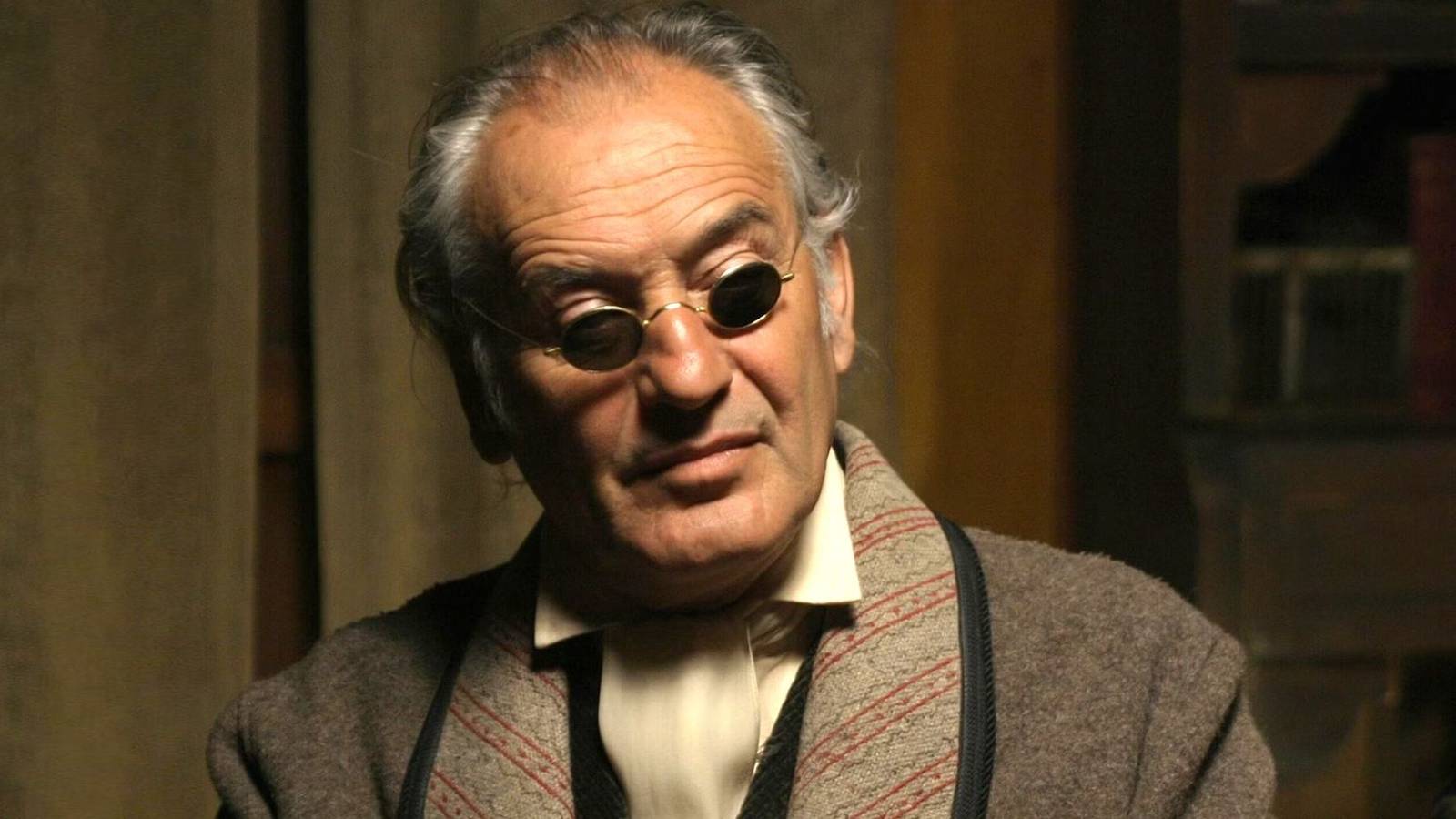
While Ned's fate dominates the episode, "Baelor" juggles multiple storylines with remarkable efficiency. Jon Snow faces his own agonizing choice between his Night's Watch vows and his family, a conflict that adds depth to his arc. Meanwhile, Maester Aemon's revelations about the Targaryens enrich the lore—a detail that gains even more significance with the recent prequel A Knight of the Seven Kingdoms.
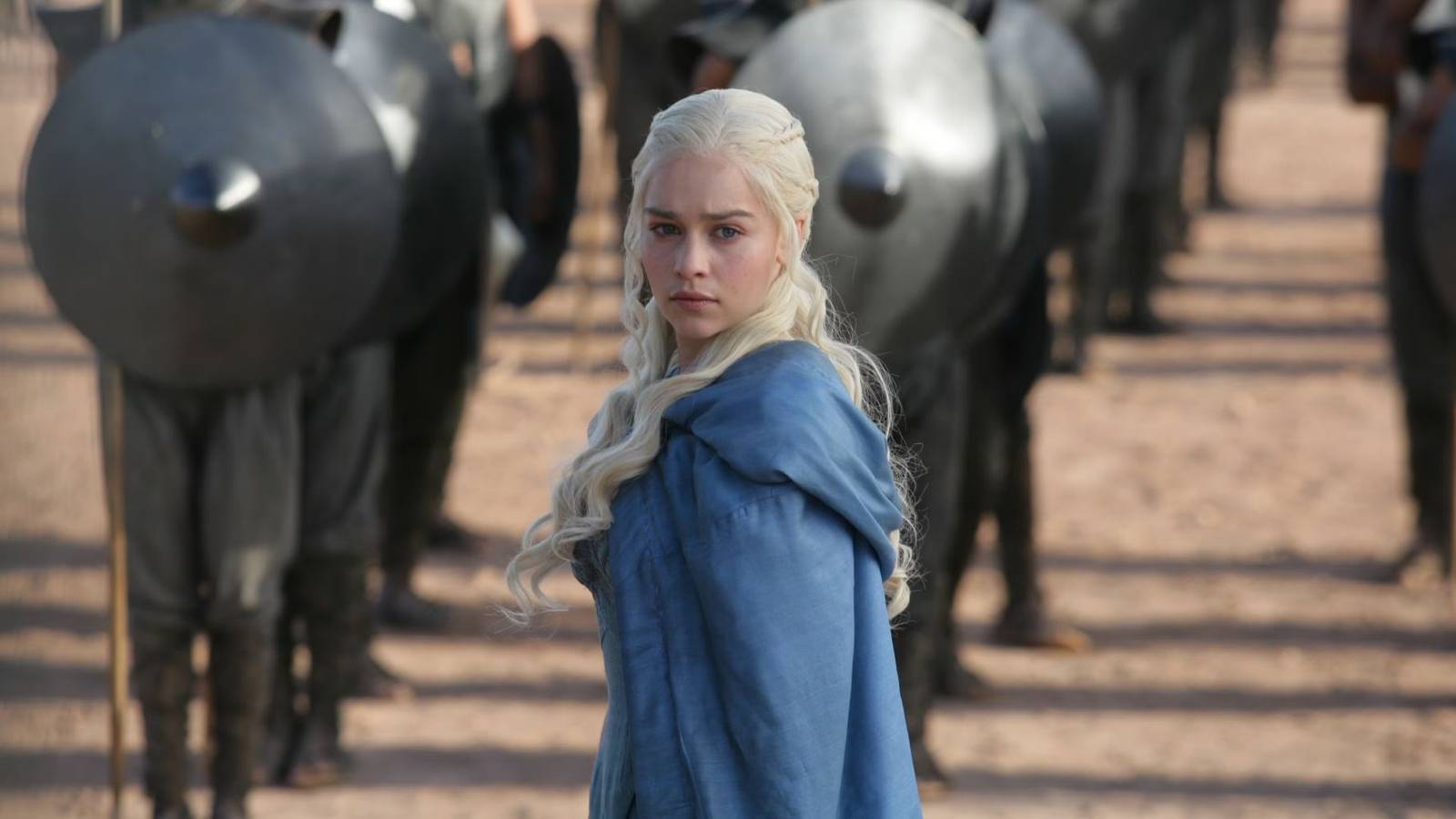
The episode also propels Daenerys' journey: her desperate ritual to save Khal Drogo sets her on the path to becoming the Mother of Dragons. Across the continent, Robb Stark's alliance with Walder Frey plants seeds for one of the series' most infamous betrayals. Every thread moves forward, making "Baelor" not just a tragedy but a masterclass in narrative momentum.
Fifteen years later, "Baelor" stands as a testament to Game of Thrones' ability to blend character drama with shocking twists. It's an hour that redefined fantasy television, proving that even the most heroic figures could fall. For those who argue the show peaked early, this episode makes a compelling case—and it remains a benchmark against which all other TV dramas are measured.