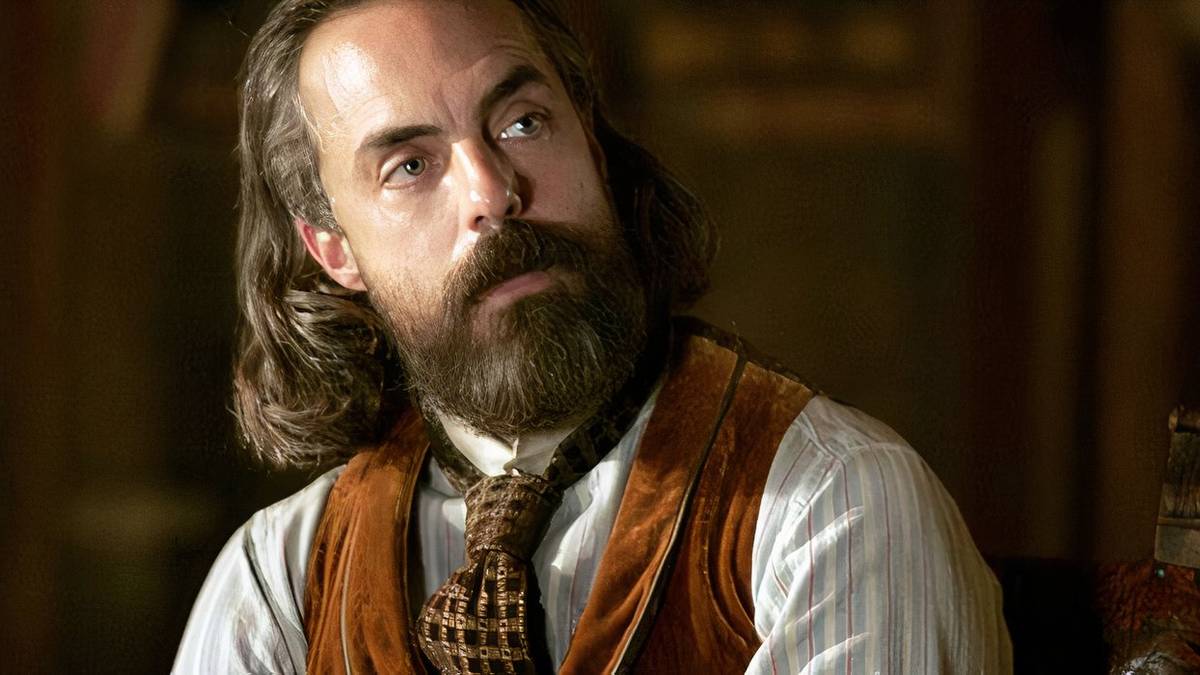
In an era where the Western genre is enjoying a massive renaissance, one of its crowning achievements is making a triumphant return to the spotlight. Deadwood, the HBO series that originally aired from 2004 to 2006, has suddenly climbed the domestic iTunes charts this October, reminding audiences why it remains a benchmark for television storytelling. With a stellar 92% score on Rotten Tomatoes, the show is not just a nostalgic trip—it's a living testament to the power of gritty, character-driven drama.
Created by the late David Milch, Deadwood transported viewers to the lawless, gold-rush town of Deadwood, South Dakota, in the 1870s. The series blended historical figures like Wild Bill Hickok, Calamity Jane, and George Hearst with fictional characters, crafting a raw and unflinching portrait of American frontier life. Its three seasons were met with critical acclaim, and in 2019, HBO released a long-awaited feature film that served as a satisfying conclusion to the saga. This placed Deadwood in the same elite club as other HBO classics like Sex and the City, Entourage, and The Sopranos, all of which received movie spin-offs.

The recent surge in Deadwood's popularity comes at a time when Westerns are dominating the small screen, largely thanks to Taylor Sheridan's Yellowstone universe. That franchise, which includes prequels 1883 and 1923, has sparked a wave of new Western programming across networks and streamers. Prime Video offered The English with Emily Blunt, while Netflix has rolled out a trio of well-received shows, including American Primeval, Little House on the Prairie, and the recent East of Eden adaptation starring Florence Pugh. Yet, as Deadwood's iTunes resurgence proves, the old guard still has plenty of firepower.
What makes Deadwood so enduring? For one, its writing is Shakespearean in scope, with dialogue that crackles with poetic profanity and moral complexity. The show doesn't shy away from the ugly realities of frontier life—greed, violence, and corruption—but it also finds moments of profound humanity. Collider's own Erin Konrad, in a retrospective review, noted that even decades after its original run, the series "still somehow manages to stand the test of time as one of the greatest Western television series ever made (and perhaps one of the greatest series in general)." That sentiment is echoed by the show's dedicated fanbase, who continue to discover or revisit the series.
For those new to the show, Deadwood offers a dense, rewarding experience. It's not a quick binge; it demands attention, but the payoff is immense. The performances, particularly Ian McShane's turn as the ruthless saloon owner Al Swearengen, are legendary. The show's production design, which recreates the muddy, ramshackle town with meticulous detail, immerses you in the era. And its exploration of themes like capitalism, justice, and community feels as relevant today as it did two decades ago.
If you're looking for more Western excellence, check out our list of seven Western TV shows that deliver perfection in every episode. And for those who prefer the big screen, our ranking of the greatest drama films of the past 75 years includes a few frontier classics worth revisiting.
As October rolls on, Deadwood's iTunes success is a clear signal that audiences are hungry for quality Westerns. Whether you're a longtime fan or a curious newcomer, now is the perfect time to saddle up and experience one of the greatest shows ever made. Stay tuned to Collider for more updates on streaming charts and genre trends.