Back in 2017, Marvel Studios was on the verge of total pop culture domination. With Avengers: Infinity War and Endgame on the horizon, the MCU was building toward a massive, two-part climax that would cement its mainstream supremacy. But while the movies were gearing up for blockbuster glory, Marvel Television quietly teamed with FX to deliver something radically different—a show that defied every superhero convention. That show was Legion, a prestige TV triumph that shattered the mold and proved Marvel adaptations could be far more than just franchise fodder.
Created by Noah Hawley, the genius behind Fargo, Legion was an avant-garde puzzle box that delved into the fractured psyche of a mutant who had never appeared in live action before. It was a fever dream of surreal visuals, nonlinear timelines, unreliable narration, and elaborate musical numbers. Hawley didn't treat the source material as a blueprint for another superhero adventure; instead, he used it as a canvas to explore the human mind in all its chaotic, terrifying glory. The result was a show that felt less like a comic book adaptation and more like a psychological thriller with superpowers.

The Anti-Marvel Marvel Show
Marvel had spent years perfecting its interconnected universe formula, from the MCU to the Netflix street-level heroes. But Legion stood apart. Though technically an X-Men spin-off, it existed in its own bubble, free from the constraints of shared continuity. Hawley built the narrative on dream logic, jumping between realities and states of consciousness without ever pausing to explain the rules. This anti-Marvel approach gave the show a sense of genuine unpredictability, unburdened by the need to set up future installments.
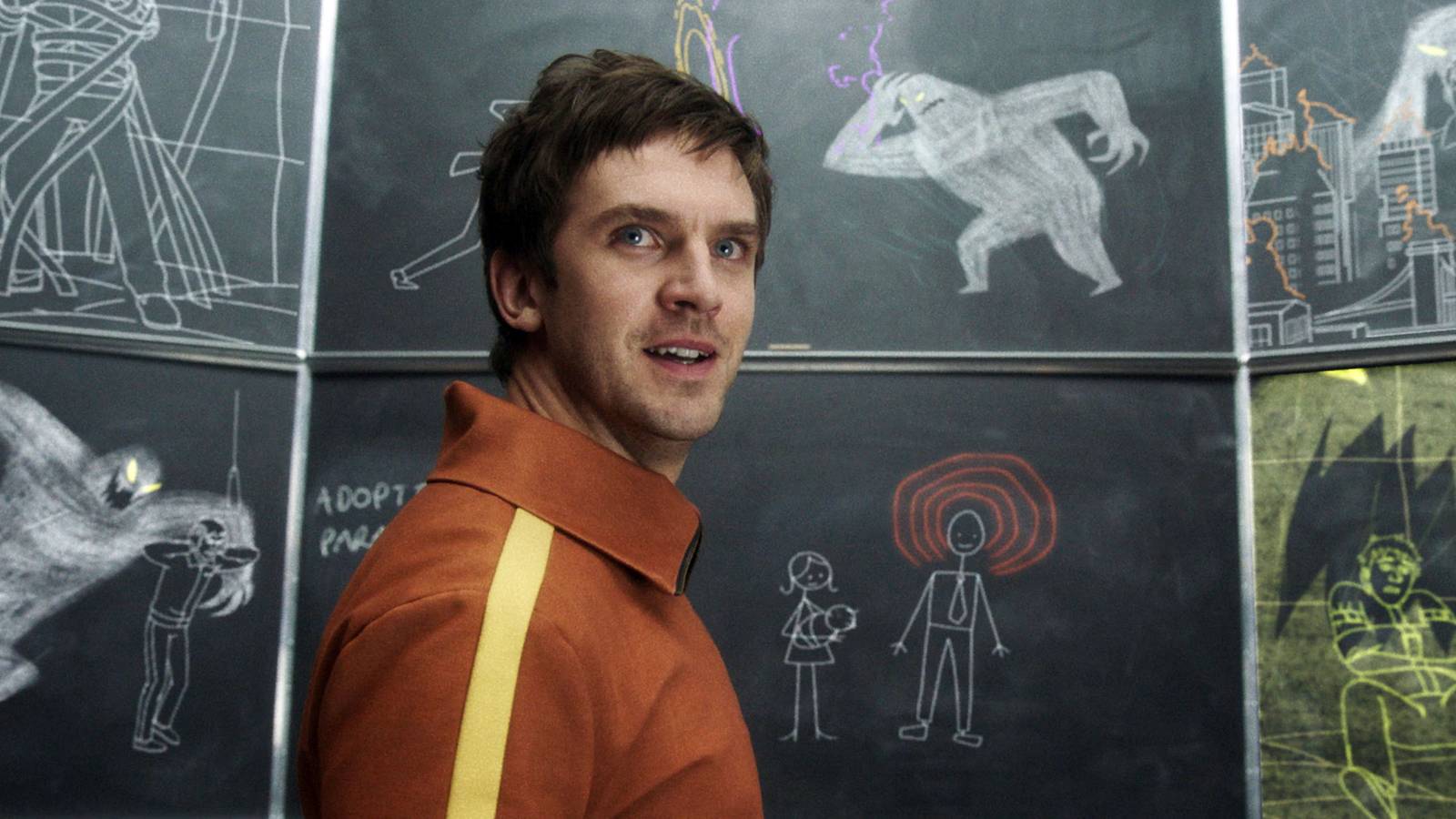
At the center of this chaos was David Haller, one of the most powerful mutants in X-Men lore and the son of Charles Xavier. Despite his impressive pedigree, David was virtually unknown to mainstream audiences. Rather than giving him a traditional origin story, Hawley crafted a character whose biggest battle wasn't mastering his abilities—it was figuring out whether he could trust his own mind. That internal conflict became the heart of the series.
A Mind-Bending Journey
When we first meet David, played by Dan Stevens, he's a psychiatric patient convinced he has schizophrenia. But a chance encounter with fellow patient Syd Barrett (Rachel Keller) forces him to question everything. As David uncovers the true nature of his powers, he's caught between a shadowy government agency and a group of mutants led by Melanie Bird (Jean Smart). With their help, he learns that an ancient parasitic mutant known as the Shadow King has haunted him since childhood, manipulating his reality by masquerading as his friend Lenny (Aubrey Plaza). What starts as a search for answers becomes a desperate fight for control over his own mind.
David's absence from live-action adaptations made him a tricky character to introduce, given his immense powers and complicated backstory. But that challenge gave Hawley the freedom to step outside Marvel's formula. Instead of focusing on world-ending stakes, the show zeroed in on the man wielding that power, turning his abilities into a source of psychological horror. David's unreliable perspective made every episode a disorienting, thrilling ride through identity and madness.
A Visual and Narrative Masterpiece
Across its three seasons, Legion refused to look or feel like anything else on television. Drawing from surrealism, brutalism, psychedelic pop art, and even stage performance, the show regularly abandoned traditional storytelling to embrace visual and auditory experimentation. Distorted audio, shifting aspect ratios, and striking color palettes made David's unstable perspective tangible. The soundtrack was equally adventurous, with musical numbers and dance sequences interrupting the action. But none of it was mere decoration—every creative choice externalized emotions that dialogue alone couldn't capture.
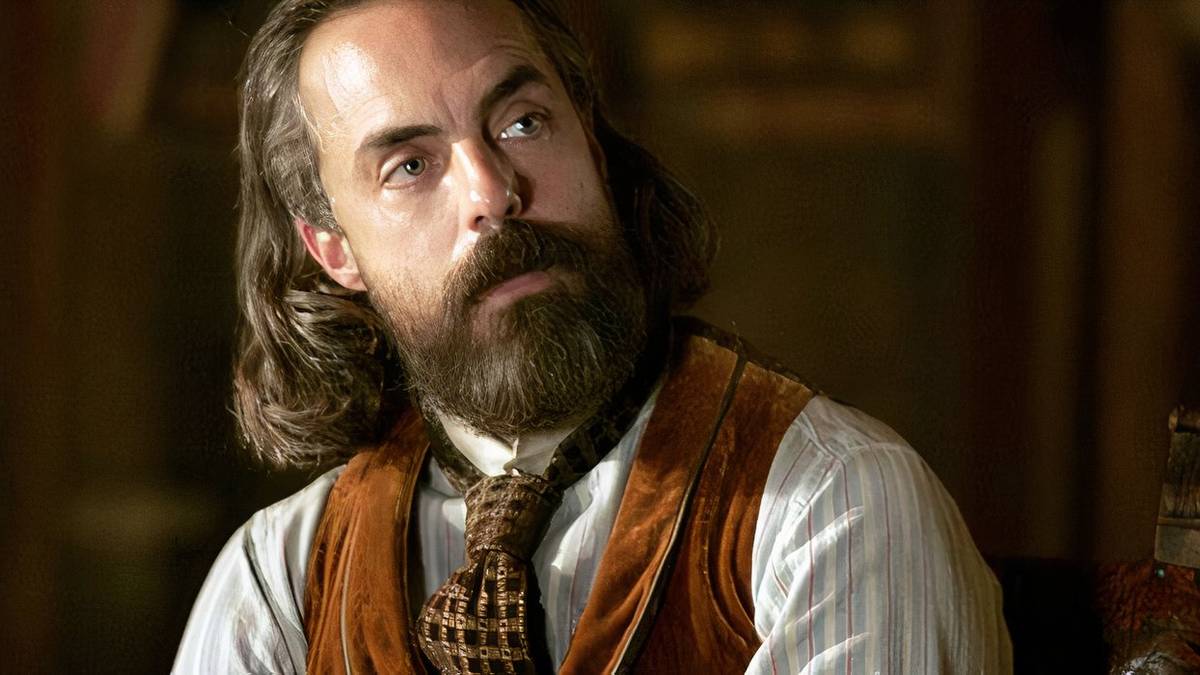
The surrealism extended to the characters and settings too. Melanie's husband, Oliver (Jemaine Clement), spends much of the series trapped in an ice cube on the astral plane, while second-season interludes narrated by Jon Hamm took the form of artistic PSAs about madness. It was bold, bizarre, and utterly captivating.
For fans of flawless sci-fi masterpieces, Legion is a must-watch. It's also a prime example of a thriller that grabs you from the start, and it remains one of the best thriller series to binge. In a landscape crowded with superhero content, Legion stands as a singular achievement—a show that proved the genre could be as intellectually and artistically ambitious as any prestige drama.