Drama is the beating heart of cinema—a genre that strips away spectacle to focus on raw human emotion, complex characters, and the quiet (or not-so-quiet) battles we fight within ourselves and against each other. Over the past 75 years, the best dramas have not only entertained but also challenged us, holding a mirror to society and the human condition with unflinching honesty. These films are defined by bold writing, masterful direction, and performances that linger long after the credits roll.
While countless masterpieces could fill this list, these ten pictures stand out for their enduring impact and their ability to capture the full spectrum of dramatic storytelling—from intimate family sagas to sweeping tales of ambition and corruption. They represent the very best of what the genre has to offer, and they continue to inspire filmmakers and audiences alike.

10. One Flew Over the Cuckoo's Nest (1975)
In the late '60s and '70s, a wave of films explored the tension between individuality and institutional control. Miloš Forman's One Flew Over the Cuckoo's Nest remains the pinnacle of this subgenre. Set in a mental institution, it follows Randle McMurphy (Jack Nicholson), a free-spirited convict who clashes with the authoritarian Nurse Ratched (Louise Fletcher) while trying to inject life and rebellion into the ward.
Shot on location with real psychiatric patients as extras, the film achieves a gritty realism that amplifies its emotional stakes. Nicholson and Fletcher deliver career-defining performances, and the film's five Academy Awards are a testament to its power. It's a searing exploration of individualism versus conformity, culminating in one of the most devastating finales in cinema history.
9. Raging Bull (1980)
Martin Scorsese's Raging Bull is often labeled a sports movie, but it's really a brutal character study. Robert De Niro's transformative portrayal of boxer Jake LaMotta is a masterclass in method acting, capturing a man whose jealousy, paranoia, and rage destroy everything he loves. The film strips away the glamour of boxing, presenting the ring as a stage for self-destruction rather than glory.
Shot in stark black-and-white by Michael Chapman and edited with rhythmic precision by Thelma Schoonmaker, Raging Bull is a visceral descent into toxic masculinity. It's an uncomfortable, unflinching look at a man at war with himself, and it remains one of the most powerful dramas ever made.
8. Amadeus (1984)
Miloš Forman returns to this list with Amadeus, a sumptuous period drama that explores the corrosive nature of envy. F. Murray Abraham delivers an Oscar-winning performance as Antonio Salieri, a court composer whose devotion to music is poisoned by his jealousy of Wolfgang Amadeus Mozart's (Tom Hulce) effortless genius. Salieri's plot to destroy Mozart is both a personal vendetta and a rebellion against God.
The film is a profound meditation on mediocrity and the pain of being overshadowed by true talent. Abraham's portrayal of Salieri—caught between admiration and spite—is heartbreaking. With its opulent production design and the seamless integration of Mozart's music into the narrative, Amadeus is a cinematic triumph that resonates on both emotional and intellectual levels.
7. Ikiru (1952)
Akira Kurosawa's Ikiru is a quiet masterpiece about a bureaucrat who, after learning he has terminal cancer, embarks on a quest to find meaning in his final days. Takashi Shimura's portrayal of Kanji Watanabe is a study in quiet desperation and eventual redemption. The film's structure—shifting from Watanabe's personal journey to a flashback that reveals the impact of his actions—is both innovative and deeply moving.
Ikiru asks profound questions about what it means to truly live, and its answer is both simple and devastating. It's a film that has influenced countless dramas since, and it remains a touchstone for anyone seeking to understand the human condition.
6. The Godfather (1972)
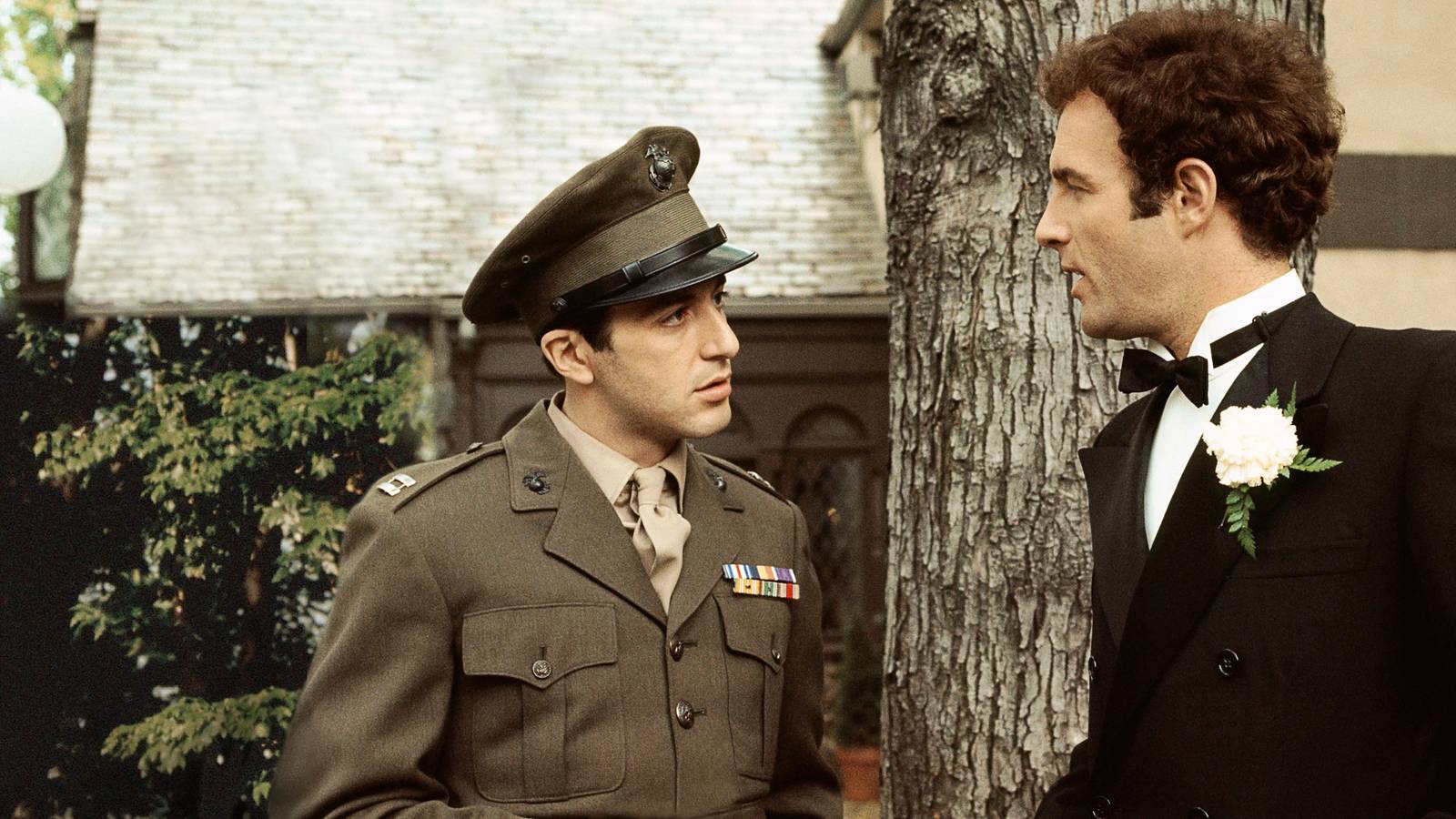
Francis Ford Coppola's The Godfather is more than a crime epic—it's a family saga that explores power, loyalty, and the corruption of the American Dream. Marlon Brando's iconic portrayal of Vito Corleone and Al Pacino's transformation from reluctant outsider to ruthless heir are legendary. The film's sweeping narrative, from a wedding to a baptism intercut with violence, is a masterclass in storytelling.
With its unforgettable performances, lush cinematography, and Nino Rota's haunting score, The Godfather is a cultural touchstone that has shaped not just the gangster genre but all of cinema. It's a drama of Shakespearean proportions, and its influence is still felt today.
5. Schindler's List (1993)
Steven Spielberg's Schindler's List is a harrowing account of the Holocaust that transcends the historical drama genre. Liam Neeson stars as Oskar Schindler, a German businessman who saves over a thousand Jewish refugees by employing them in his factories. The film is unflinching in its depiction of horror, yet it also celebrates the capacity for human goodness.
Shot in stark black-and-white, with the haunting image of a girl in a red coat, Schindler's List is a cinematic achievement that demands to be seen. It's a powerful reminder of the past and a testament to the resilience of the human spirit.
4. 12 Angry Men (1957)
Sidney Lumet's directorial debut, 12 Angry Men, is a masterclass in tension and character development. Set almost entirely in a single jury room, the film follows twelve men deliberating the fate of a young defendant. Henry Fonda leads an ensemble cast as the lone juror who questions the evidence, sparking a heated debate that reveals the prejudices and flaws of each man.
The film is a gripping exploration of justice, doubt, and the weight of a single life. Its claustrophobic setting and razor-sharp dialogue make it a timeless drama that remains as relevant today as it was in the '50s.
3. The Shawshank Redemption (1994)
Frank Darabont's The Shawshank Redemption is a story of hope in the darkest of places. Tim Robbins and Morgan Freeman deliver career-best performances as Andy Dufresne and Ellis "Red" Redding, two inmates who form an unlikely friendship over decades in prison. The film's themes of perseverance, friendship, and the indomitable human spirit have made it a beloved classic.
Despite its initial box-office disappointment, the film found new life on home video and has become one of the most celebrated dramas of all time. Its iconic ending—a moment of pure catharsis—is a testament to the power of storytelling.
2. Citizen Kane (1941)
Orson Welles's Citizen Kane is often cited as the greatest film ever made, and for good reason. Its innovative narrative structure, deep-focus cinematography, and groundbreaking special effects were decades ahead of their time. The film follows the rise and fall of Charles Foster Kane, a newspaper magnate whose life is a puzzle of ambition and loneliness.
Welles's performance as Kane is towering, and the film's exploration of power, memory, and the elusive nature of happiness remains profoundly relevant. Citizen Kane is not just a drama; it's a landmark in cinematic history.
1. The Godfather Part II (1974)
Coppola's The Godfather Part II is a rare sequel that surpasses its predecessor. It interweaves the story of a young Vito Corleone (Robert De Niro) with the continued saga of his son Michael (Al Pacino), showing how the family's rise to power comes at a devastating cost. The film is a sprawling epic of betrayal, ambition, and the corrosive nature of power.
With its dual narratives and stunning performances, The Godfather Part II is a masterwork of dramatic storytelling. It's a film that demands multiple viewings, revealing new layers with each watch. For those who love universally adored films, this is a must-see.
These ten films represent the pinnacle of dramatic cinema over the past 75 years. They have not only entertained but also challenged and inspired audiences, proving that the genre's power lies in its ability to reflect our own lives back at us. Whether you're in the mood for a subversive classic or a beloved book-based thriller, these dramas are essential viewing for any cinephile.