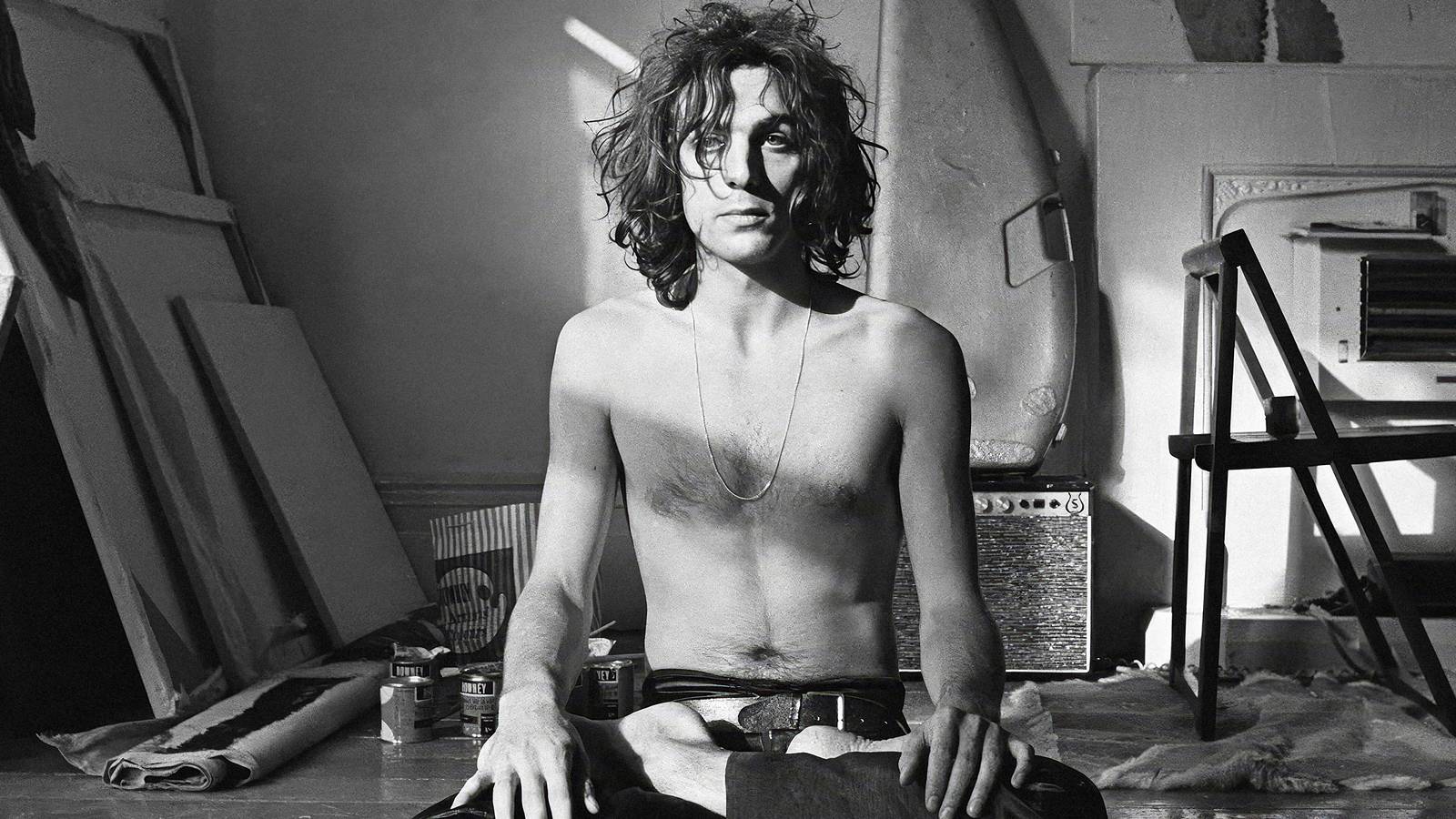
Following up a masterpiece like Dark Side of the Moon was a daunting task for Pink Floyd. The band felt jaded by the music industry's demands, but a simple four-note riff from guitarist David Gilmour sparked something profound. That riff became the foundation of "Shine on You Crazy Diamond," a tribute to their former frontman, Syd Barrett. Little did they know, Barrett himself would soon make a surreal appearance that would forever change the album's creation.
Syd Barrett's Brief but Brilliant Time with Pink Floyd
Syd Barrett was a founding member of Pink Floyd, alongside Roger Waters, Richard Wright, and Nick Mason. The band's debut album, The Piper at the Gates of Dawn, was a psychedelic masterpiece, with Barrett writing all the songs and even naming the band. His whimsical yet otherworldly songwriting set the stage for Pink Floyd's early success. However, Barrett's heavy use of LSD began to take a toll on his mental health. As David Gilmour, who later replaced Barrett, recalled, "Syd didn't seem to recognize me and just stared back. I'll go on record as saying that was when he changed." Barrett's erratic behavior on stage—detuning his guitar, missing shows, and acting strangely during interviews—led to his removal from the band in 1968. Gilmour stepped in, and the new lineup went on to create legendary albums, culminating in 1973's Dark Side of the Moon.
Barrett's influence lingered, especially on tracks like "Brain Damage" from Dark Side of the Moon, with lyrics like "There's someone in my head, but it's not me." But it was during the making of Wish You Were Here that his presence was most deeply felt.
The Haunting Visit of the 'Crazy Diamond'
While recording Wish You Were Here at Abbey Road Studios, the band was putting the finishing touches on "Shine on You Crazy Diamond" when Barrett unexpectedly walked in. According to Roger Waters, Barrett entered with a toothbrush in his mouth, and it took a moment for the band to recognize him—he had shaved his head and gained weight. Waters later told Jimmy Fallon, "I've been missing him since 1968." The encounter was emotional and surreal. Storm Thorgerson, a friend of the band, described Barrett as "not really there." When Barrett heard the song, he called it "a bit odd" and offered to add his own guitar parts, but the band politely declined. He visited a few more times, but those were the last interactions Pink Floyd ever had with him.
This experience deeply affected the band. Waters saw Barrett as a symbol of withdrawal from modern life, saying, "Shine On is not really about Syd—he's just a symbol for all the extremes of absence some people have to indulge in because it's the only way they can cope with how f****** sad it is." The album's title track and "Shine on You Crazy Diamond" both reflect on Barrett's tragic story, while also critiquing the greed and corruption of the music industry.
The Legacy of a Lost Friend
Wish You Were Here became more than just an album about Syd Barrett; it was a meditation on loss, fame, and the struggle to stay human in a commercial world. The band's ability to channel their personal grief into timeless music is a testament to their artistry. For fans, the story of Barrett's visit adds a layer of poignancy to an already emotional record. It's a reminder that even in the midst of success, the ghosts of the past can shape our greatest works.
For more on how iconic musicians have been inspired by their past, check out our article on Why 'Strawberry Fields Forever' Is the Beatles' Near-Perfect Masterpiece. And if you're interested in how bands have dealt with lineup changes, read about Replacement Rock Singers Fans Never Embraced.