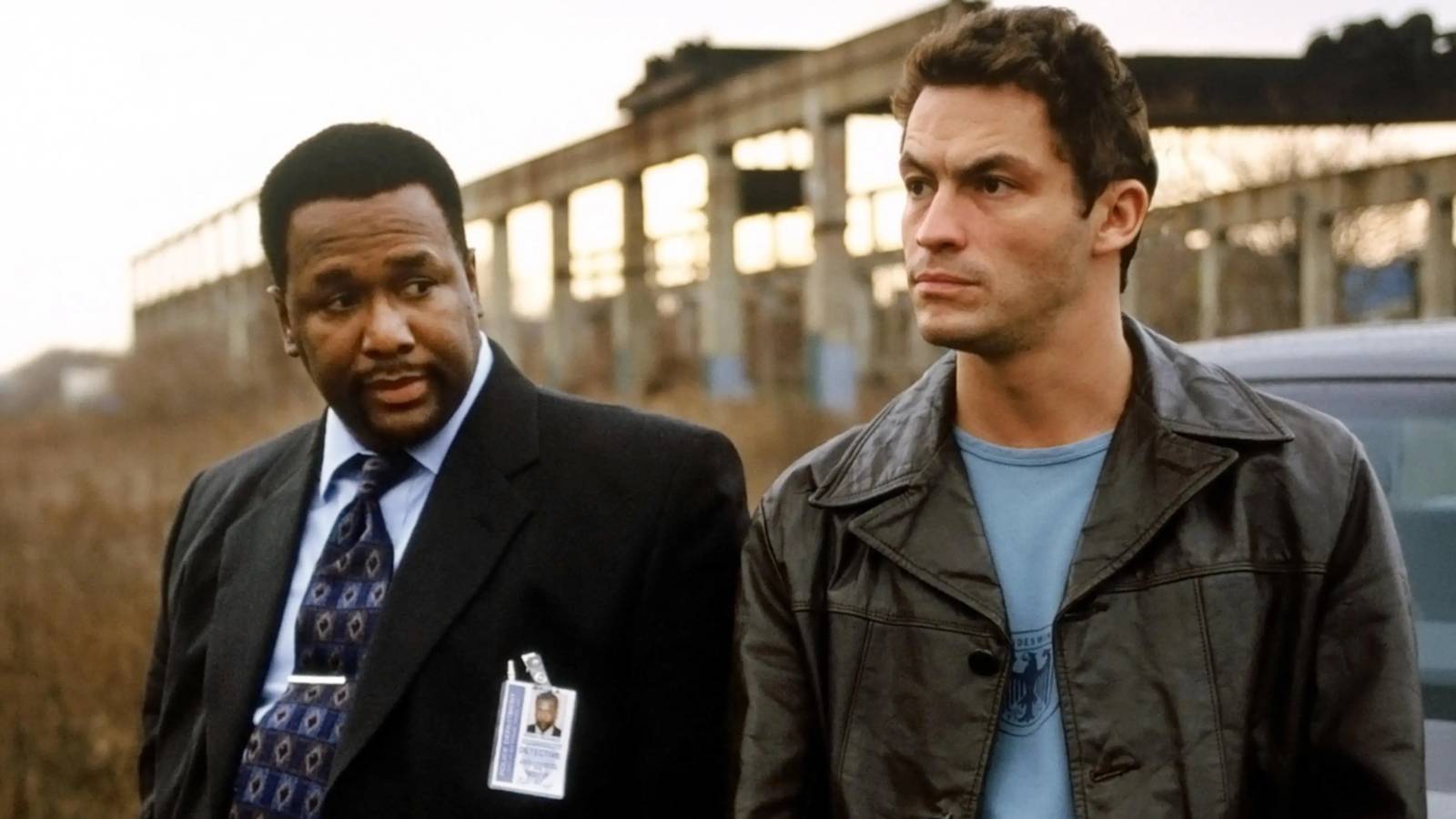
More than two decades after its debut, The Wire continues to be hailed as one of television's most insightful dramas. Created by former journalist David Simon, the show drew from his real-life experiences covering crime, politics, and education in Baltimore, weaving a narrative that dissected every layer of urban infrastructure. Its accuracy earned fans across the political spectrum, with both Barack Obama and John McCain publicly praising the series during the 2008 presidential race. While many characters were inspired by real figures, one particular scene from Season 3 has become a favorite reference for pundits and reporters alike.
In the episode "Straight and True," Stringer Bell, played by Idris Elba, orchestrates a meeting among Baltimore's drug kingpins to consolidate their buying power and curb violent turf wars. As he lays out his plan, he quips to a colleague, "You taking notes on a criminal fucking conspiracy?"—a sharp reminder of the absurdity of documenting illegal activity. Though brief, this line has proven remarkably prescient, often cited in discussions of political scandals where written evidence has led to downfall.

The 'Stringer Bell Rule' in Modern Politics
The so-called "Stringer Bell Rule" has become shorthand for the folly of leaving a paper trail. In 2013, journalist Matthew Zeitlin invoked the quote when a spreadsheet detailing alleged crimes surfaced during the J.P. Morgan investigation, joking that the bank should have heeded Stringer's advice. More notably, the rule resurfaced during the 2016 election aftermath, when communications between Trump campaign officials and Russian figures were uncovered. Alex Shepherd of The New Republic noted that many close to Trump seemed to have "put what they were doing in writing," a clear violation of Stringer's edict. The term was later popularized in The Atlantic, particularly after Roger Stone's arrest was tied to meeting notes.
Ironically, Stringer's own adherence to this rule doesn't save him. His pragmatic approach clashes with Avon Barksdale's thirst for revenge against Marlo Stanfield, leading to Stringer's ouster and eventual execution by Omar Little in the Season 3 finale. His downfall underscores the tension between street justice and corporate-style strategy, a theme that resonates throughout the series.
The Wire's Enduring Political Impact
Despite initially low ratings and Emmy snubs, The Wire grew in stature, with each season peeling back another layer of Baltimore's systemic issues—from the drug trade and port labor to politics, education, and media. The show's nuanced portrayal of the war on drugs challenged simplistic narratives, showing how stigma and policy kept communities trapped. Simon continued this exploration in later HBO projects like Show Me a Hero and We Own This City, the latter featuring Jon Bernthal. For those who missed the original run, classic dramas like ER offer a different but equally compelling look at institutional challenges.
Stringer Bell's legacy extends beyond the show, as Elba's performance opened doors to Hollywood stardom. His portrayal of a sophisticated, calculating kingpin subverted expectations and left an indelible mark on pop culture. The quote, though born from a fictional conspiracy, now serves as a cautionary tale for anyone in power—proving that The Wire's insights remain as sharp as ever. For more on how iconic TV moments stay relevant, check out HBO's satire of superhero movies or The Simpsons' recent studio move.