Rock music has always been about passion, loyalty, and the unmistakable voice that defines a band. When a legendary frontman leaves, the pressure on their replacement is immense. Some new singers manage to win over the crowd, but others face a wall of resistance that never truly crumbles. Here are 10 replacement rock singers that fans never fully accepted.
The Impossible Act of Following a Legend
Replacing a iconic vocalist is one of the toughest jobs in music. Fans form deep emotional bonds with the original voice, and any change can feel like a betrayal. Even when the new singer is talented, the shadow of the predecessor looms large. This list highlights those who stepped into the spotlight but were met with skepticism, criticism, and sometimes outright rejection.
Van Halen: Sammy Hagar vs. Gary Cherone
When David Lee Roth left Van Halen in 1985, Sammy Hagar stepped in and brought a new energy. While Hagar had hits, many purists never warmed to him. But the real disaster came in 1996 when Gary Cherone replaced Hagar. Cherone's tenure was short-lived, with fans and critics alike panning his performance. The band's album Van Halen III was a commercial and critical failure, and Cherone was out within two years.
Judas Priest: Tim 'Ripper' Owens
After Rob Halford left Judas Priest in 1991, the band recruited Tim 'Ripper' Owens. Owens had the vocal range but lacked Halford's iconic presence. Fans were divided, and the two albums with Owens, Jugulator and Demolition, were seen as low points. When Halford returned in 2003, it was a relief for many.
AC/DC: Brian Johnson
When Bon Scott died in 1980, AC/DC brought in Brian Johnson. Johnson's raspy voice was a departure from Scott's bluesy style. Despite the massive success of Back in Black, some fans never accepted Johnson as a true replacement. The debate continues to this day.
Queen: Paul Rodgers and Adam Lambert
After Freddie Mercury's death, Queen performed with Paul Rodgers and later Adam Lambert. Both were talented, but neither could fill Mercury's shoes. Fans appreciated the tributes but never fully embraced them as permanent members.
Pink Floyd: David Gilmour and Rick Wright
When Syd Barrett left Pink Floyd, David Gilmour took over vocals. While Gilmour is now revered, early fans missed Barrett's eccentricity. Similarly, after Roger Waters left, the band continued with Gilmour and Wright, but many felt the magic was gone.
Genesis: Phil Collins
When Peter Gabriel left Genesis, Phil Collins moved from drums to lead vocals. Collins brought a pop sensibility that alienated some progressive rock fans. While the band found massive commercial success, purists never accepted the shift.
Black Sabbath: Ronnie James Dio
After Ozzy Osbourne was fired, Black Sabbath hired Ronnie James Dio. Dio's powerful voice was a stark contrast to Ozzy's. While Dio is respected, many fans still prefer the Ozzy era. The band's albums with Dio, like Heaven and Hell, are classics, but the debate rages on.
Journey: Steve Perry and Beyond
Steve Perry's voice defined Journey, but after he left, the band struggled to find a replacement. Arnel Pineda, discovered on YouTube, has been accepted by some, but many fans still long for Perry's return.
Linkin Park: Chester Bennington
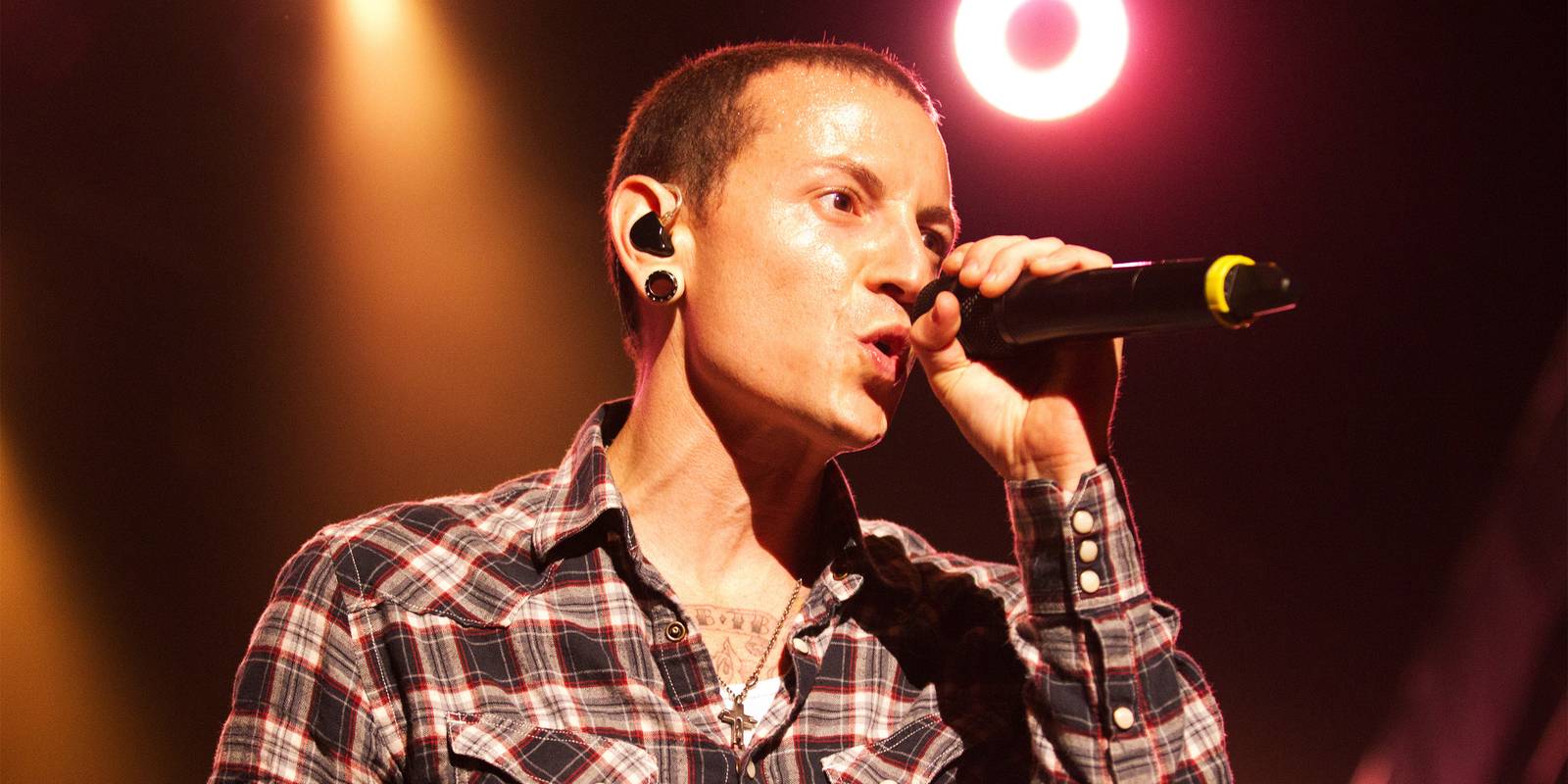
Chester Bennington replaced original vocalist Mark Wakefield in 1999. Bennington's emotional intensity became the band's hallmark. After his tragic death, the band's future remains uncertain, but his replacement would face an impossible task.
The Doors: Ian Astbury
After Jim Morrison's death, The Doors reformed with Ian Astbury of The Cult. Astbury's voice was similar, but fans felt it was a cash grab. The reunion was short-lived and widely criticized.
These stories remind us that a band's voice is more than just a sound—it's an identity. While some replacements succeed, others are forever measured against the original. For fans, the bond with a singer is unbreakable, and sometimes, no one can take their place.