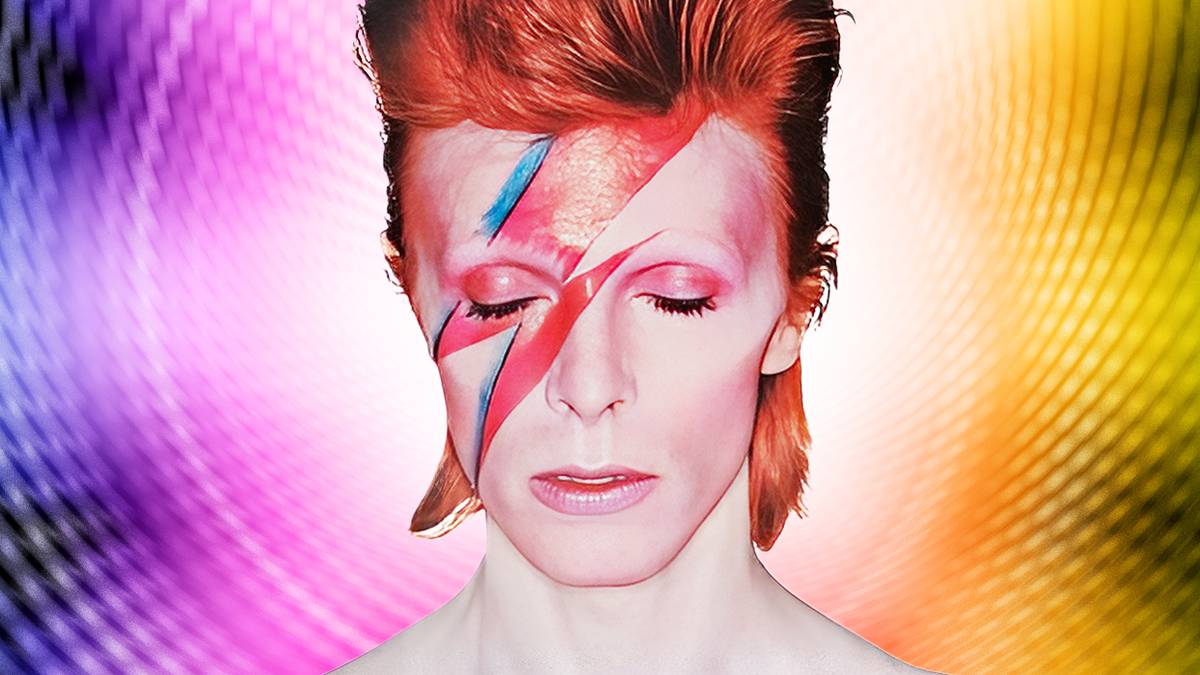
When we think of glam rock, one name inevitably springs to mind: David Bowie. But the real star of the show was his fictional alter ego, Ziggy Stardust. This flamboyant, otherworldly character didn't just ride the wave of glam—he became the genre's defining icon, eclipsing even Bowie himself.
Ziggy Stardust was born from Bowie's 1972 concept album, The Rise and Fall of Ziggy Stardust and the Spiders from Mars. The character was a theatrical creation, complete with a fiery orange mullet, bold makeup, and outlandish costumes that screamed rebellion. Ziggy wasn't just a stage persona; he was a full-blown narrative, a story that Bowie lived and breathed during the album's tour.
The Tale of Ziggy Stardust
The story goes that Ziggy is an androgynous alien rock star sent to Earth on a mission. With humanity on the brink of apocalypse, Ziggy arrives to deliver a message of hope through music. He's guided by a group of aliens called the "infinites," and his mission is to save a world that has lost its spark. But as Ziggy's fame grows, so does his ego. He starts to believe he's the messiah he's been preaching about, and his hubris leads to a tragic end—he's torn apart by his own fans on stage.
Bowie retired Ziggy in July 1973, at the Hammersmith Odeon in London, because the line between his real self and his creation had blurred. But the character's impact was far from over. Ziggy Stardust became a symbol of glam rock's golden era, influencing countless artists and leaving a permanent mark on music and fashion.
The Music Behind the Myth
The album itself is a masterpiece, blending glam, punk, and soul into a cohesive rock opera. Tracks like "Moonage Daydream" and "Starman" introduced the world to Ziggy's message, while the title track "Ziggy Stardust" chronicled his downfall. The music was guitar-driven, a departure from Bowie's earlier piano-based work, and it showcased his unique vocal style.
Bowie drew inspiration from a wide range of sources, including mime, Kabuki theater, and the New York underground scene. Ziggy was a melting pot of artistic influences, a character that embodied freedom, androgyny, and rebellion. He was both a hero and a cautionary tale, a reminder of the dangers of fame.
Today, Ziggy Stardust remains a cultural touchstone. His image is instantly recognizable, and his music continues to inspire new generations. While David Bowie was the genius behind the mask, it was Ziggy who truly captured the world's imagination. In the pantheon of glam rock, Ziggy Stardust stands tall, a testament to the power of reinvention and the enduring allure of a well-crafted persona.