Concept albums were a game-changer in the 1960s, when rock bands decided that music could be more than just a beat to dance to—it could be a narrative journey. While the format has become rarer in the age of playlists, artists like Taylor Swift still craft albums that tell a complete story, a legacy owed to the visionaries on this list. These five albums, all from the '60s and '70s, didn't just push boundaries; they redefined what an album could be.
5. Pink Floyd – The Dark Side of the Moon (1973)
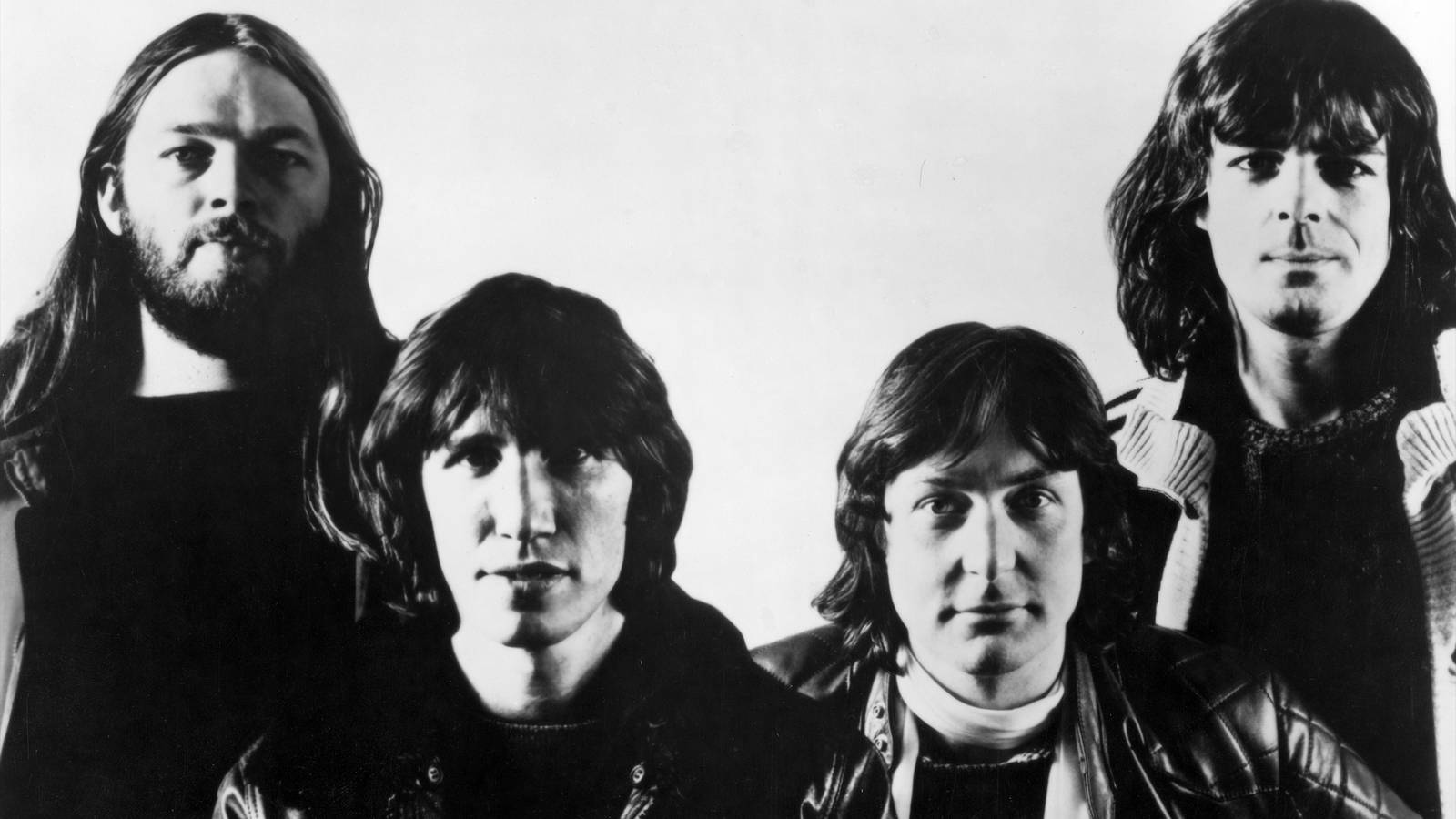
That iconic prism-and-rainbow cover is instantly recognizable, but the music inside is even more profound. Pink Floyd's 1973 masterpiece explores the darker corners of the human psyche, tackling personal demons and societal pressures alike. Roger Waters drew inspiration from the world around him and from the struggles of former bandmate Syd Barrett, whose mental health had deteriorated. Tracks like "Brain Damage" and "Breathe" delve into loneliness and anxiety, while "Money" and "Us and Them" critique greed and social division. Waters explained that the album was about "the different pressures that apply in modern life," and by exposing their own vulnerabilities, Pink Floyd created a timeless work that resonates as much today as it did half a century ago.

4. Alice Cooper – Welcome to My Nightmare (1975)
Alice Cooper's Welcome to My Nightmare is a dark, theatrical journey into the subconscious. Cooper, a lifelong fan of horror films and musicals, envisioned the album as "a cross between a nasty fairy tale and something like West Side Story." The result is a concept album that immerses listeners in a terrifying dreamscape, blurring the line between reality and nightmare. It's a perfect entry point for anyone who loves spooky, immersive rock, and it remains one of the most ambitious projects of Cooper's career.
3. Pink Floyd – The Wall (1979)
Pink Floyd returns with The Wall, a rock opera that follows the fictional rock star Pink, whose life mirrors the experiences of Syd Barrett and Roger Waters. The album uses the metaphor of a wall to represent isolation, division, and the barriers we build between ourselves and others. Songs like "Comfortably Numb" tackle depression, "Another Brick in the Wall" protests the rigid British education system, and "Goodbye Cruel World" captures despair. Waters conceived the idea after feeling alienated from audiences during a tour, joking about building a wall between the band and the crowd. That disillusionment gave birth to one of the most iconic concept albums in rock history.
2. David Bowie – The Rise and Fall of Ziggy Stardust and the Spiders from Mars (1972)
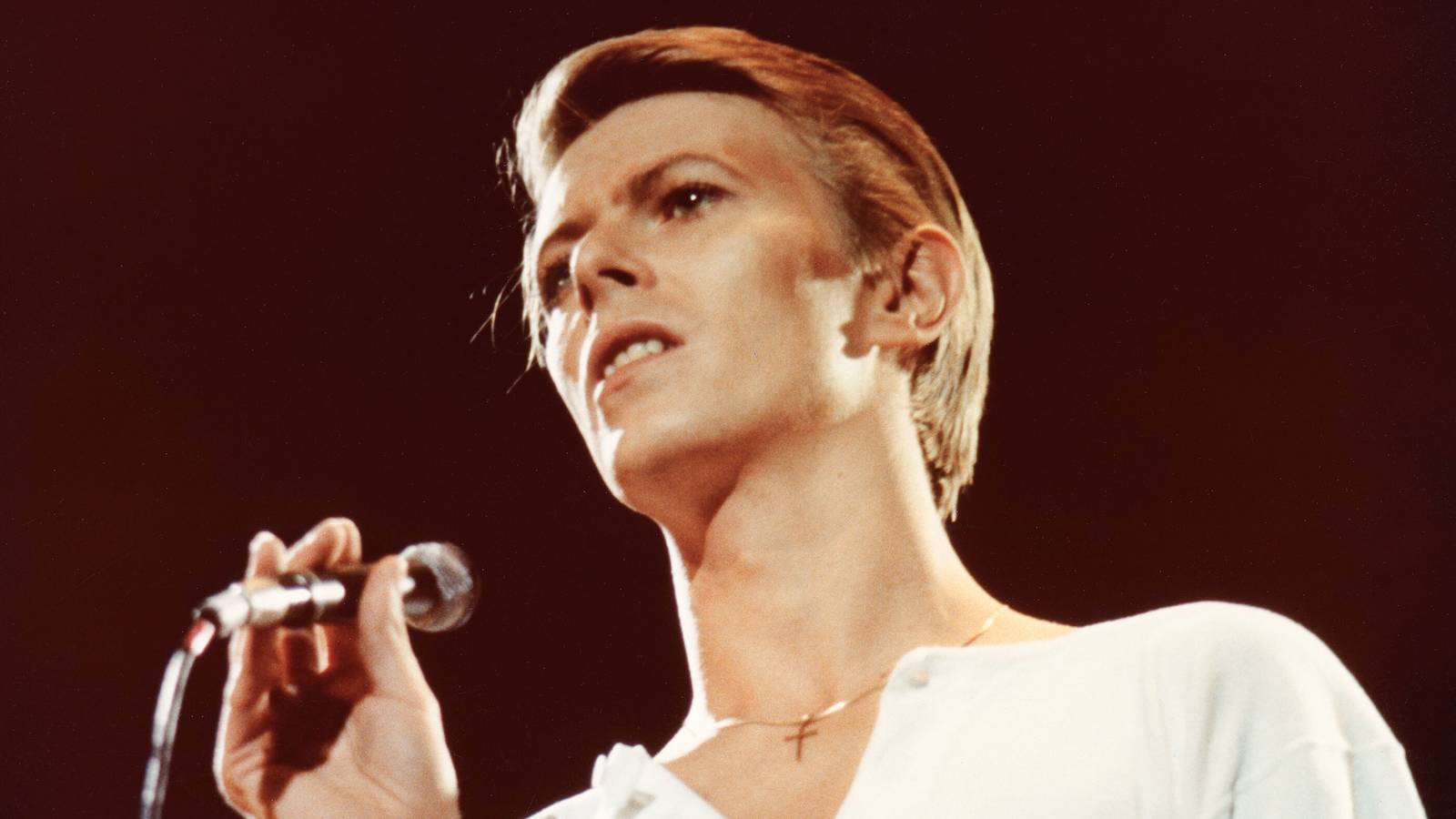
David Bowie was a master of reinvention, and Ziggy Stardust is his crowning achievement. The album tells the story of Ziggy, an androgynous, bisexual rock star from outer space who comes to Earth to save humanity but ultimately meets a tragic end. From the opening track "Five Years" to the climactic "Rock 'n' Roll Suicide," Bowie crafted a narrative that was both fantastical and deeply human. The album not only showcased Bowie's musical genius but also his commitment to pushing the boundaries of rock, making it a landmark in the genre.
1. The Beatles – Sgt. Pepper's Lonely Hearts Club Band (1967)
Topping our list is the album that arguably started it all. Sgt. Pepper's Lonely Hearts Club Band was a revolutionary departure for The Beatles, who created an alter ego band to explore new musical and lyrical territory. The album is a loose concept, with the title track introducing the fictional band and songs like "Lucy in the Sky with Diamonds" and "A Day in the Life" painting vivid, surreal pictures. It was a cultural touchstone that proved rock could be art, influencing countless artists and cementing The Beatles' legacy as innovators. Without Sgt. Pepper's, the concept albums that followed might never have existed.
These five albums didn't just tell stories—they changed the way we listen to music. They remain essential listening for any rock fan, and their influence can still be felt in the work of modern artists who dare to think beyond the single.