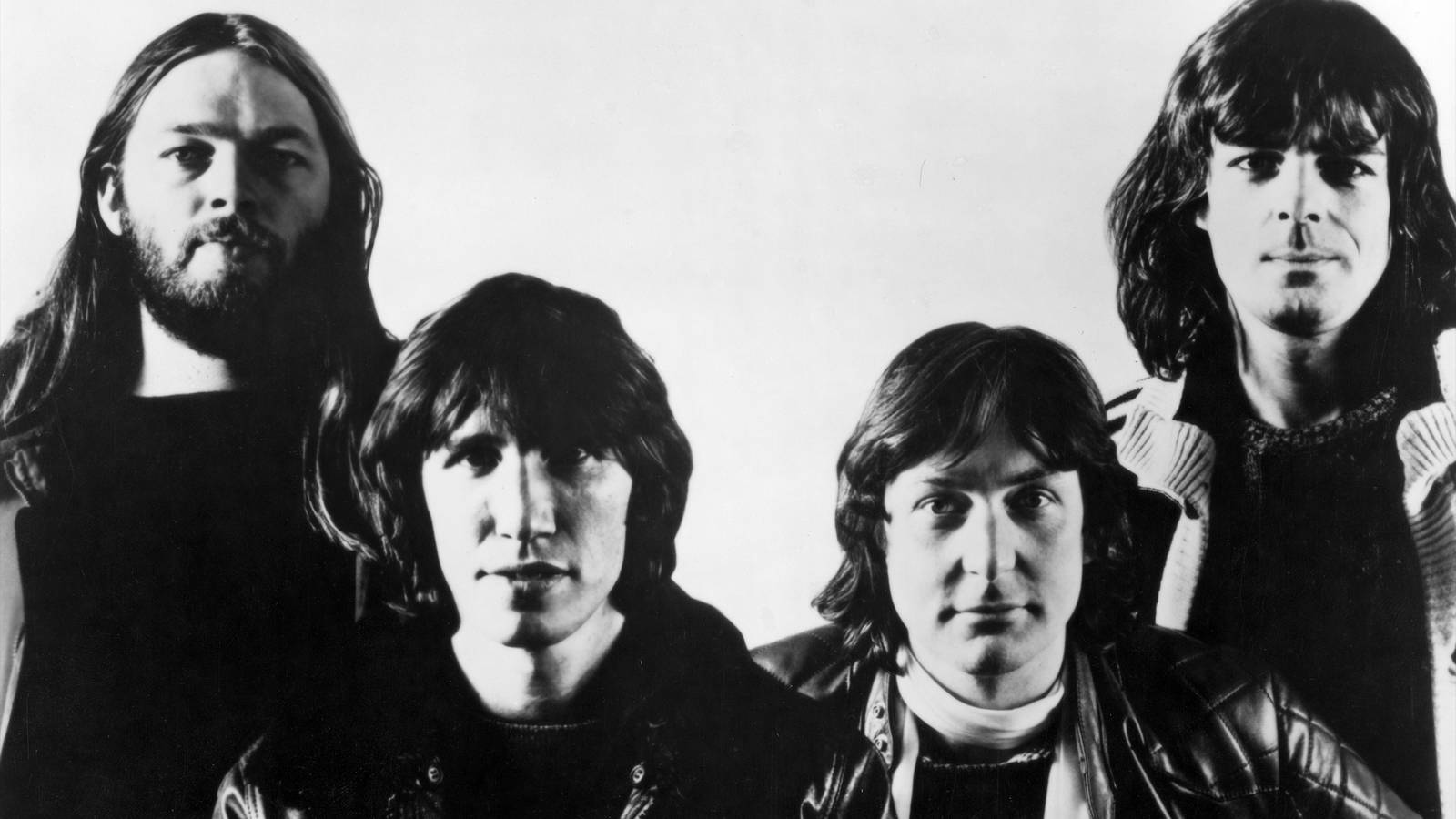
Pink Floyd didn't just make music; they built sonic universes. From the psychedelic swirls of the late '60s to the towering concept albums of the '70s, the London quartet—Roger Waters, David Gilmour, Richard Wright, and Nick Mason—constantly pushed rock into uncharted territory. Their instrumentals, in particular, stand as monuments to ambition, blending avant-garde textures, electronic experimentation, and cinematic scope. Here are the 10 most audacious Pink Floyd instrumentals, ranked by their sheer nerve and willingness to defy convention.
10. Main Theme (More, 1969)
Opening the soundtrack to Barbet Schroeder's film More, this hypnotic track locks into a pulsating bass groove from Waters, with Mason's tribal drums and Wright's swirling organ creating a tense, trippy atmosphere. Gilmour's guitar adds an ominous edge, building a repetitive, drug-soaked soundscape that prioritizes mood over melody. It's a prime example of Floyd's early cinematic instincts, a quality that would later define their greatest work.
9. The Grand Vizier's Garden Party (Ummagumma, 1969)
Drummer Nick Mason took the reins for this nearly nine-minute suite, a three-part percussion odyssey. Opening with a delicate flute from his then-wife Linda, it soon dissolves into a chaotic collage of drum rolls, cymbal crashes, and tape effects. On the experimental double album Ummagumma, where each member contributed solo pieces, Mason abandoned conventional song structure entirely, crafting an abstract rhythmic narrative that feels more like performance art than rock.
8. On the Run (The Dark Side of the Moon, 1973)
This electronic tour de force captures the anxiety of air travel through a relentless eight-note sequence on an EMS Synthi AKS synthesizer. Gilmour and Waters layered in footsteps, airport announcements, and airplane sounds, all manipulated to create a frantic, claustrophobic rush. The track's explosive climax—a plane crash—segues perfectly into the chiming clocks of "Time," making it a pivotal moment on rock's most iconic album.
7. Absolutely Curtains (Obscured by Clouds, 1972)
Closing the soundtrack to La Vallée, this piece is a dreamy, atmospheric journey. Wright's ethereal keyboards and Gilmour's restrained guitar evoke a remote wilderness, building a patient, cinematic mood. Then, unexpectedly, the music fades into field recordings of the Mapuga people of Papua New Guinea singing and chanting. It's a bold, almost documentary-like shift that showcases Floyd's fascination with global sounds and their ability to create music that feels like a film score.
6. Sysyphus (Ummagumma, 1969)
Richard Wright's four-part suite, inspired by the Greek myth of Sisyphus, is a 13-minute avant-garde journey. It opens with majestic organ chords, then descends into dissonant piano improvisations, eerie electronics, and chaotic percussion. The piece shifts wildly between classical grandeur and abstract noise, reflecting the eternal struggle of its mythological subject. It's a window into Wright's experimental imagination, unconstrained by rock's usual rules.
5. Pow R. Toc H. (The Piper at the Gates of Dawn, 1967)
From their debut album, this instrumental is a bizarre, unsettling collage. It features eerie vocalizations from Syd Barrett and Waters, along with tape effects and percussive clatter, creating a soundscape that feels like a haunted carnival. It's a glimpse into the band's early psychedelic explorations, where they were already pushing beyond conventional songwriting into pure sonic experimentation.
4. A Saucerful of Secrets (A Saucerful of Secrets, 1968)
This 12-minute epic is a cornerstone of Floyd's live shows. It's a four-part suite that builds from a quiet, ominous organ drone into a cacophony of percussion and vocalizations, then resolves into a serene, melodic finale. The piece is a masterclass in tension and release, showcasing the band's ability to create a narrative without words. It's a direct bridge from their psychedelic past to their progressive future.
3. Alan's Psychedelic Breakfast (Atom Heart Mother, 1970)
This 13-minute track is a surreal sound collage built around the sounds of a man preparing and eating breakfast. Alan's mumbled commentary, the sizzle of bacon, the clink of cutlery—all are woven into a musical backdrop that shifts from gentle acoustic guitar to full-band rock. It's a radical concept: turning the mundane into art. The track's audacity lies in its refusal to be a conventional song, instead creating a sonic environment that's both comforting and bizarre.
2. Atom Heart Mother (Atom Heart Mother, 1970)
The title track of their 1970 album is a 23-minute suite that blends orchestral brass, choir, and rock instrumentation. Written with Ron Geesin, it's a sprawling, ambitious piece that moves through multiple movements, from a majestic fanfare to a funky middle section to a quiet, pastoral interlude. It's a bold fusion of classical and rock, and while it's not always cohesive, its sheer scale and daring make it one of Floyd's most impressive statements.
1. Echoes (Meddle, 1971)
At 23 minutes, "Echoes" is the ultimate Pink Floyd instrumental. It's a seamless journey that starts with a single, haunting piano note, builds into a slow, atmospheric groove, then erupts into a chaotic middle section of distorted guitar and eerie whale-like sounds. The piece eventually resolves into a serene, beautiful finale. It's a perfect synthesis of everything Floyd had learned—psychedelic texture, progressive structure, and emotional depth. "Echoes" is not just an instrumental; it's a complete world, and it remains the band's most ambitious and rewarding instrumental achievement.
These tracks, along with others like the most rewatchable Western series, show how Floyd's fearless experimentation continues to inspire. For more on their legacy, check out Ringo Starr's best Beatles vocals or De Niro's greatest mob movies—but nothing quite matches the sonic audacity of Pink Floyd.