As Clayface continues to dominate the box office, with its production budget already recouped in the opening weekend and strong word-of-mouth carrying it into Halloween, audiences are hungry for more monstrous superhero tales. If you've already seen the new film and want to dive into a similar story with a retro twist, look no further than Sam Raimi's 1990 cult classic Darkman, now streaming on Peacock.
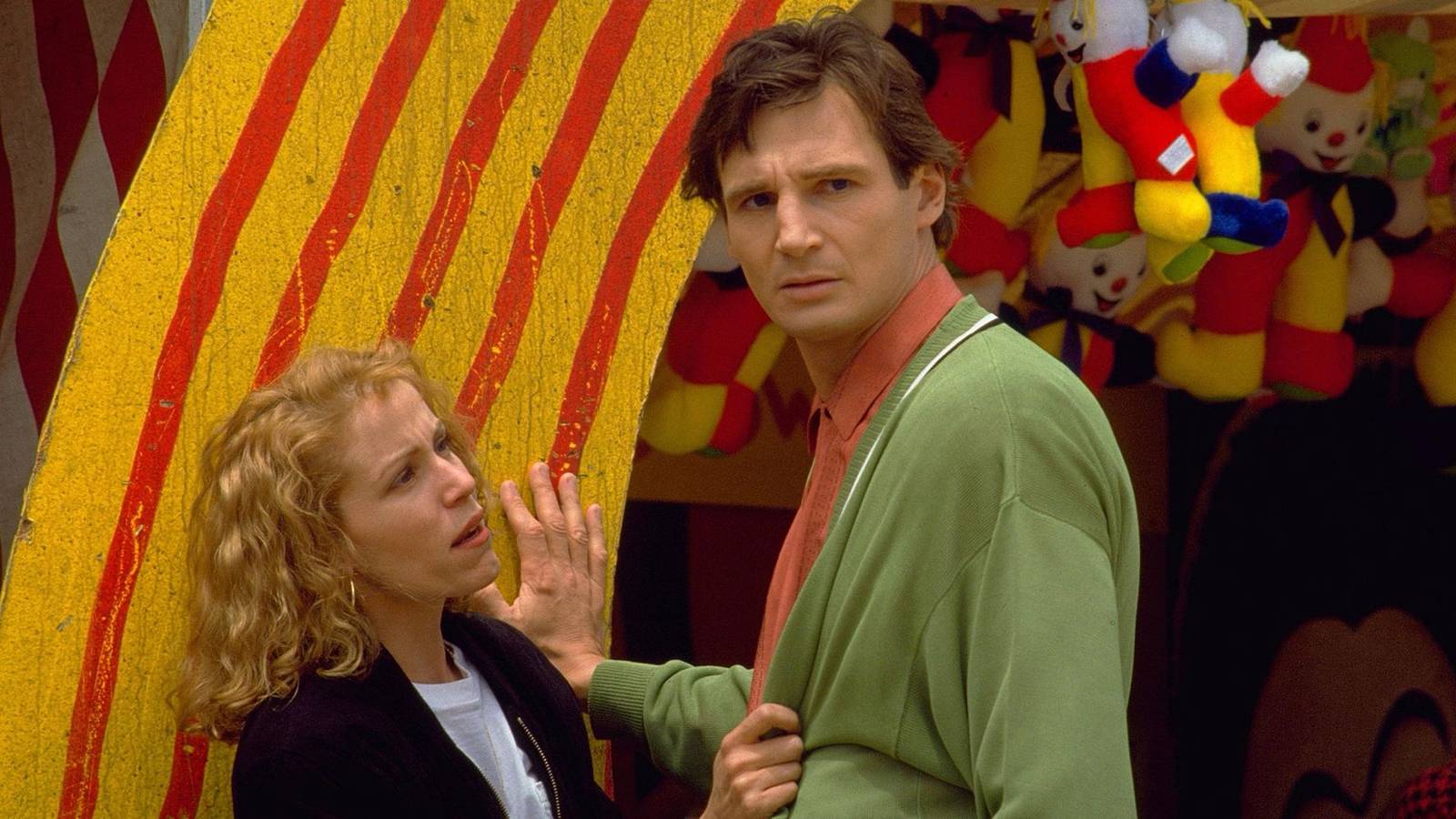
Directed by Raimi between Evil Dead II and Army of Darkness, Darkman follows brilliant scientist Peyton Westlake (Liam Neeson) as he perfects a synthetic skin that could revolutionize burn treatment. But when his girlfriend Julie (Frances McDormand) gets entangled with a ruthless mobster, Robert Durant (Larry Drake), Peyton is brutally disfigured and left for dead. Presumed dead, he uses his remaining lab equipment to continue his work, but the experimental procedure also grants him superhuman strength and an inability to feel pain. Now, he's on a vengeful quest to bring down the men who destroyed his life—even as his humanity slips away.

Raimi's Signature Style Meets Monster Movie Tropes
What sets Darkman apart is its fusion of comic book energy with the gothic melancholy of classic Universal monsters. Raimi's trademark Dutch angles, kinetic camera work, and offbeat humor are on full display, making it feel more like a spiritual sibling to Evil Dead II than his later Spider-Man trilogy. The film embraces its pulpy premise with a straight face, delivering both dark comedy and genuine pathos. One standout sequence—where Peyton crashes through a skyscraper window while dangling from a helicopter—is pure Raimi absurdity, a moment that could have been lifted from Army of Darkness.
Like Clayface, Darkman centers on a protagonist who can assume any identity using his synthetic skin. But while Matt Hagen in Clayface gets his powers from a mysterious serum, Peyton earns his through scientific ingenuity and sheer will. The film doesn't bother explaining the physics of how he can change his height or bone structure—it's a comic book movie, after all. As Raimi himself might say, questioning logic here is like questioning science in Star Wars.
The Tragedy of the Shape-Shifter
Both films explore the thin line between anti-hero and villain. Matt Hagen starts as a sympathetic figure, but his new abilities quickly corrupt him, revealing a darker nature that was always lurking beneath the surface. He becomes detached from his actions, much like the protagonist of Hollow Man, because he no longer has to face himself in the mirror. Peyton, on the other hand, is acutely aware of his moral decline. His synthetic skin degrades after 99 minutes, forcing him to plan and reflect. He feels his soul eroding with every act of vengeance, making him a tragic figure rather than a monster.
This distinction is what makes Darkman so compelling. While Matt's story ends in comeuppance, Peyton's ends in self-imposed exile—a poignant reminder that revenge can consume even the noblest of hearts. Neeson delivers a raw, unhinged performance that balances fury with vulnerability, and the practical makeup effects are a testament to pre-CGI filmmaking.
If Clayface left you craving more off-kilter superhero thrillers, Darkman is the perfect palate cleanser. It's a reminder that sometimes the best heroes are the ones who lose themselves in the fight. And for those who love a good thriller that grabs you from the start, this one delivers. You can also check out how other superhero movies stack up or revisit another cult classic that pushed boundaries. For now, stream Darkman on Peacock and see why it remains one of Raimi's most underrated gems.