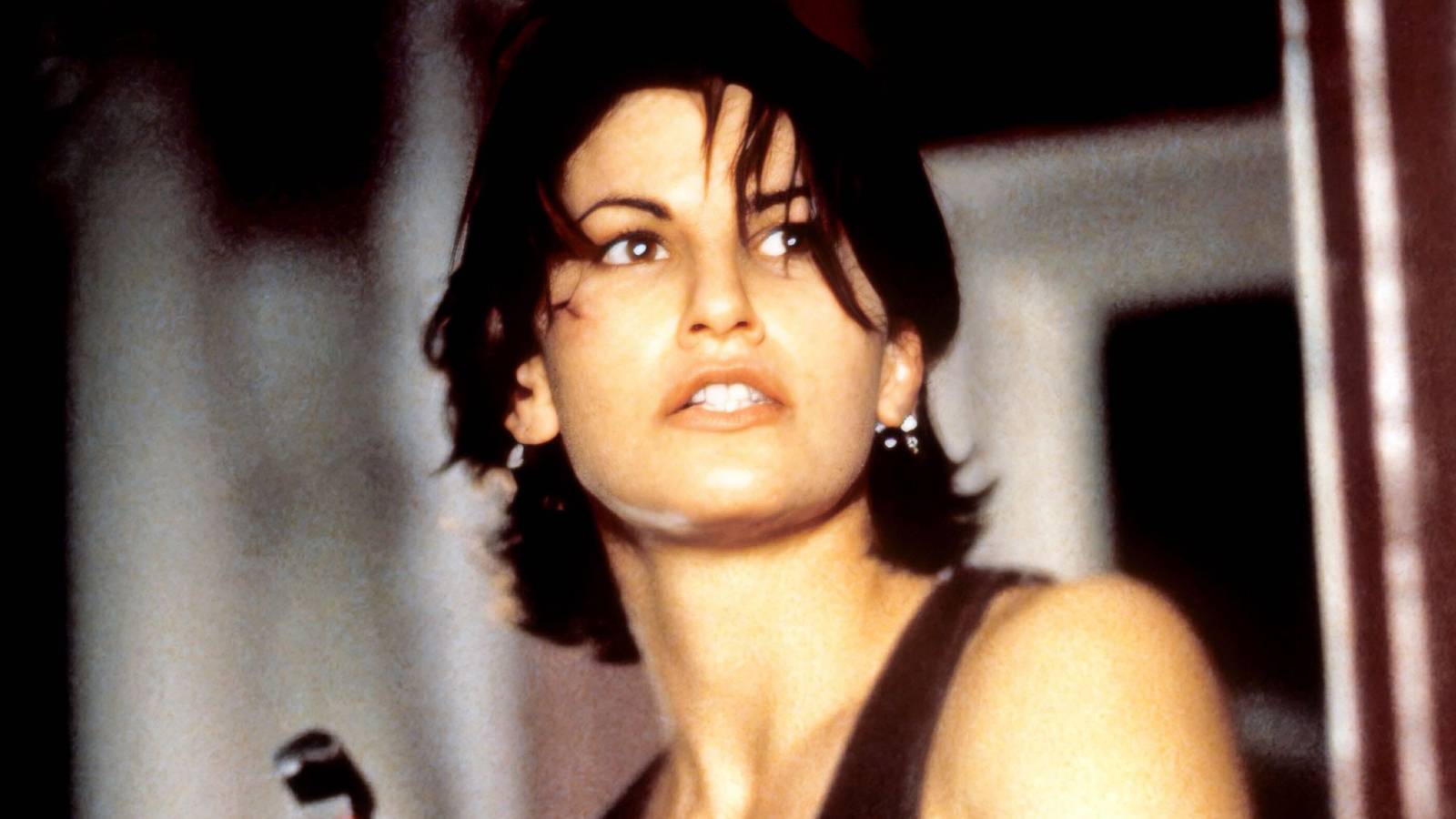
Before the world was unplugged by The Matrix, Lana and Lilly Wachowski were already bending genres and breaking barriers with their 1996 debut feature, Bound. While the sibling duo would later become synonymous with mind-bending sci-fi, their first film was a sleek, stylish crime thriller that dared to put a lesbian couple at its center—a radical move that still resonates today.
Set in a shadowy Chicago underworld, Bound follows Corky (Gina Gershon), a tough ex-con who falls for Violet (Jennifer Tilly), the glamorous girlfriend of a mobster. Together, they hatch a daring plan to swipe a fortune and escape their dangerous lives. It's a classic noir setup, but the Wachowskis flipped the script by making the women the architects of their own destiny, while the men are left scrambling in their wake.
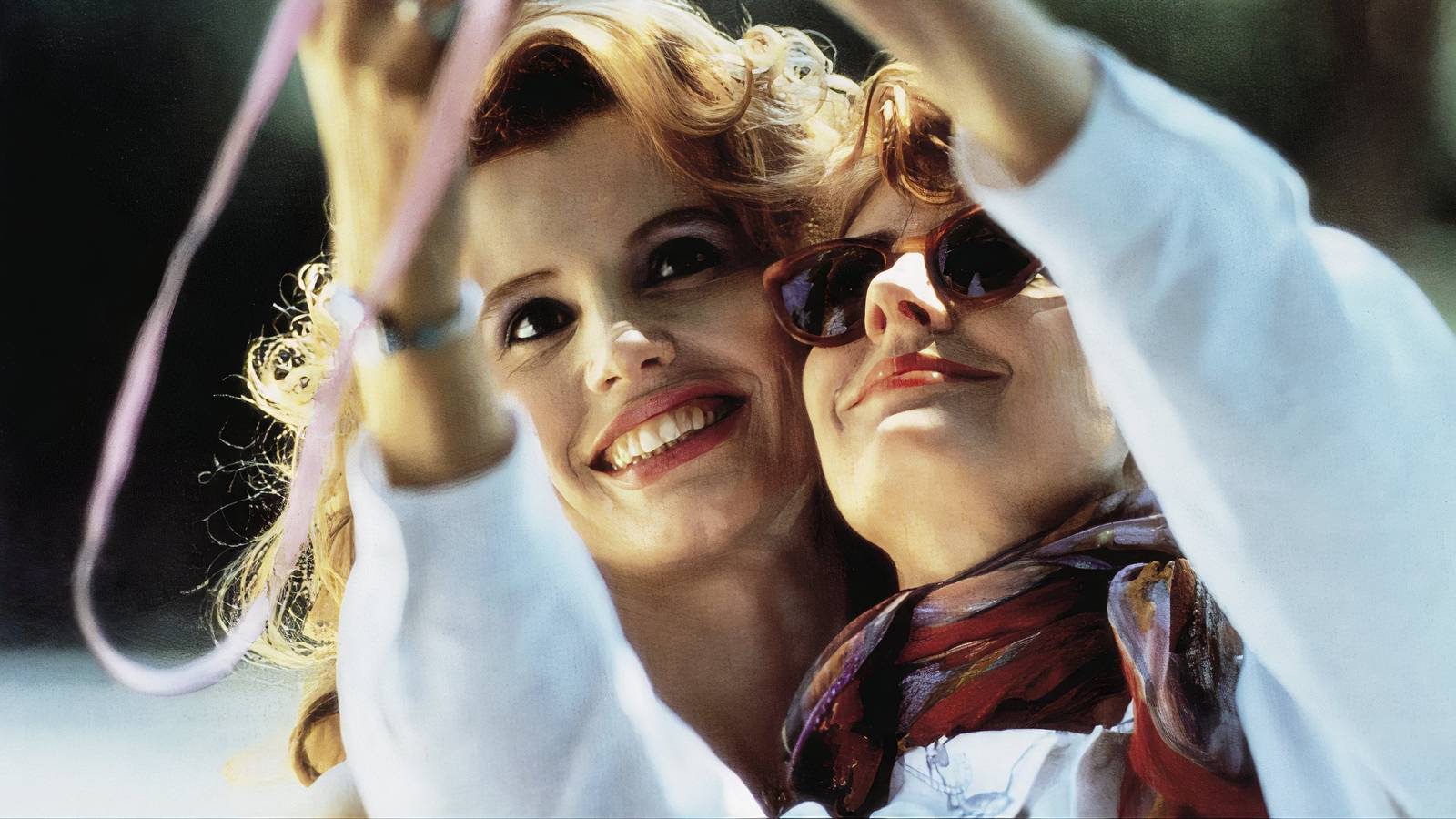
A Milestone for Queer Representation
In 1996, mainstream Hollywood rarely showcased same-sex relationships, especially in the crime genre. The Wachowskis, who would later come out as transgender, refused to water down their vision. Studios pressured them to make the central romance heterosexual, but they held firm. The result was a film that not only featured a loving, explicit lesbian relationship but also gave it a happy ending—a rarity that still feels subversive in an era where the "bury your gays" trope persists.
The chemistry between Gershon and Tilly is electric, and their love story is treated with genuine tenderness and respect. This wasn't just a gimmick; it was a bold statement that queer love could anchor a mainstream thriller. The Wachowskis' commitment to authentic representation was ahead of its time, and it's a big reason why Bound remains a touchstone for LGBTQ+ cinema.
Reversing the Crime Thriller Formula
Beyond its queer romance, Bound subverts the typical crime thriller in other ways. The women are not just damsels in distress or femme fatales; they're cunning strategists who outsmart the men around them. Caesar (Joe Pantoliano), Violet's volatile boyfriend, is a classic mobster, but he's ultimately outplayed by the very people he underestimates. This inversion of power dynamics was refreshing then and still feels progressive today.
The film's tension is masterfully built, with a cat-and-mouse game that keeps viewers on edge. The Wachowskis' visual flair—sharp angles, neon-lit shadows, and a pulsating score—foreshadows the kinetic style they'd later bring to The Matrix. It's no surprise that Bound caught the attention of Hollywood, leading to the Wachowskis being offered big-budget projects, including the sci-fi epic that would define their careers.
A Legacy That Endures
As Bound celebrates its 30th anniversary, its impact is undeniable. It paved the way for more inclusive storytelling in genre films, influencing everything from modern crime thrillers to gripping thrillers that hook you instantly. The Wachowskis proved that you could have a high-octane, edge-of-your-seat narrative while also championing underrepresented voices.
Today, queer stories are more visible than ever, but Bound was a trailblazer. It showed that love, loyalty, and a well-planned heist could overcome even the most dangerous odds. For fans of the Wachowskis' later work, Bound is essential viewing—a raw, stylish, and daring debut that set the stage for their revolutionary vision. As we look back on three decades of this cult classic, it's clear that Bound hasn't just aged well; it remains a vital piece of cinema history.