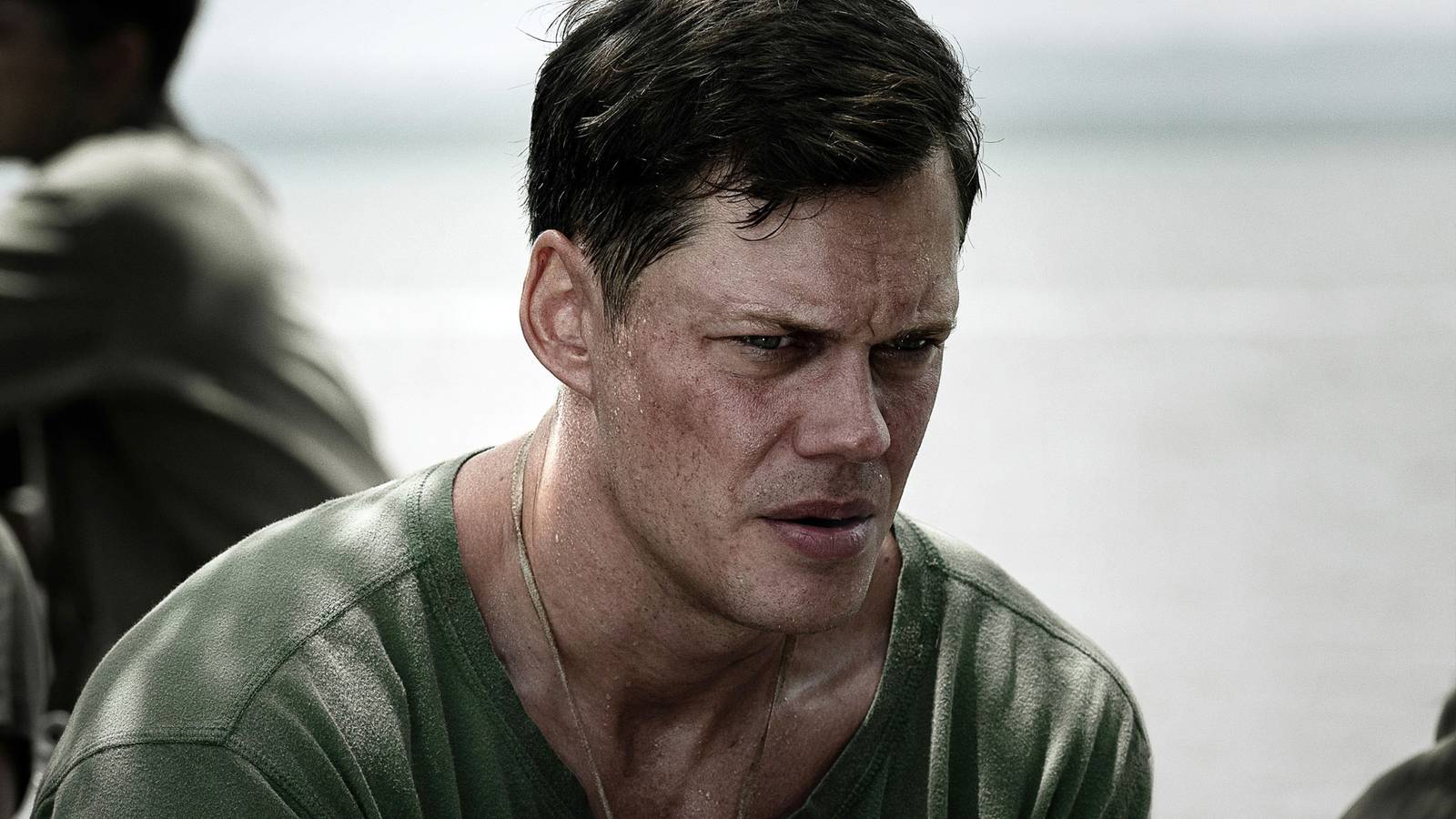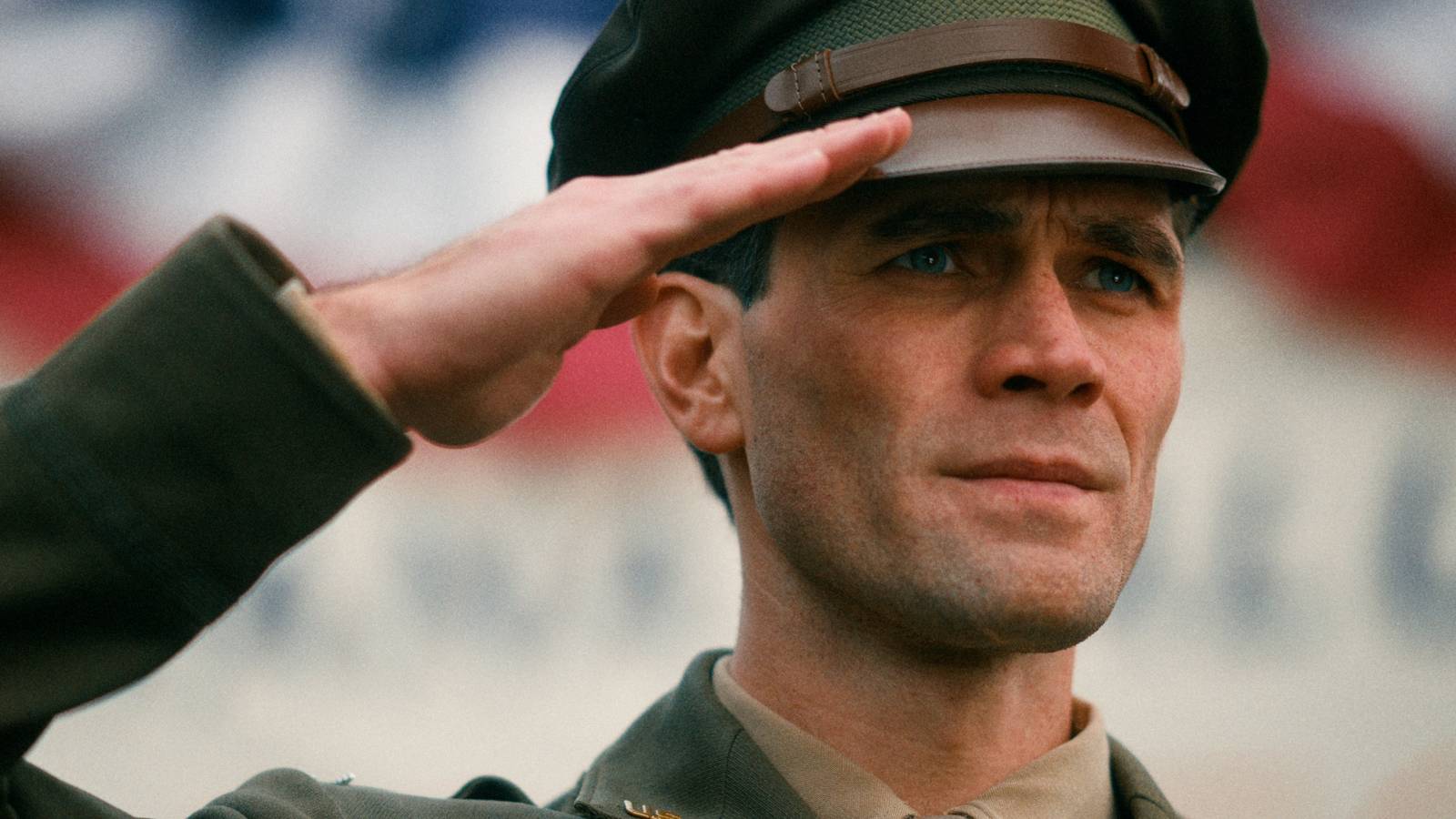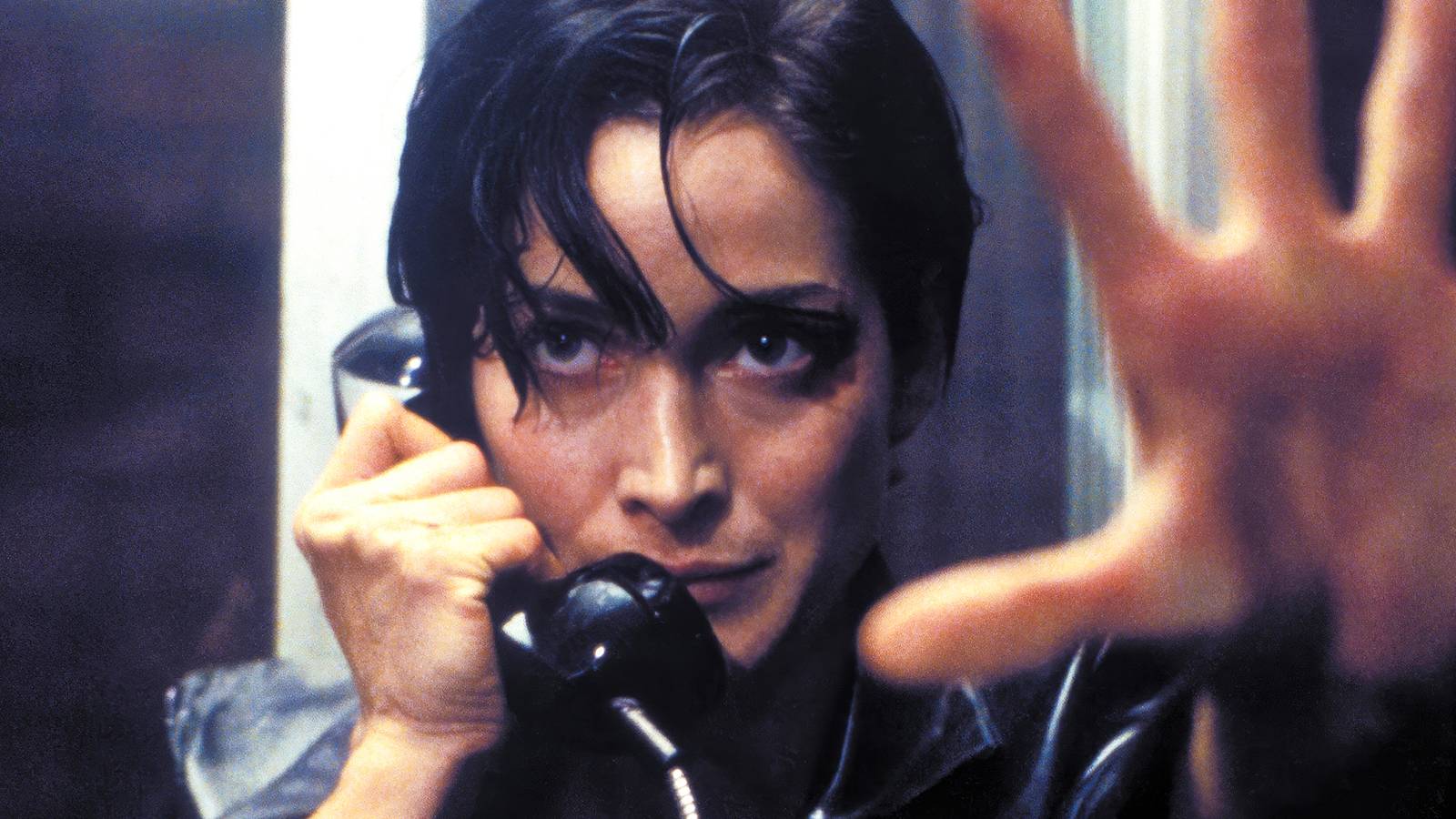
We all have that one movie we swear we'll only watch a few minutes of, only to find ourselves glued to the screen until the credits roll at 1 a.m. These eight sci-fi gems are exactly that kind of cinematic black hole—once you start, you can't stop. They're mostly older than many of their fans, yet their practical effects and storytelling still hold up remarkably well, proving that real metal and plastic beat CGI any day.
I've watched each of these films more times than I can count, searching for a weak scene, a clunky line, or a moment that doesn't land. I've come up empty every single time. So here they are, ranked from the one I'd watch last to the one I'd watch first.
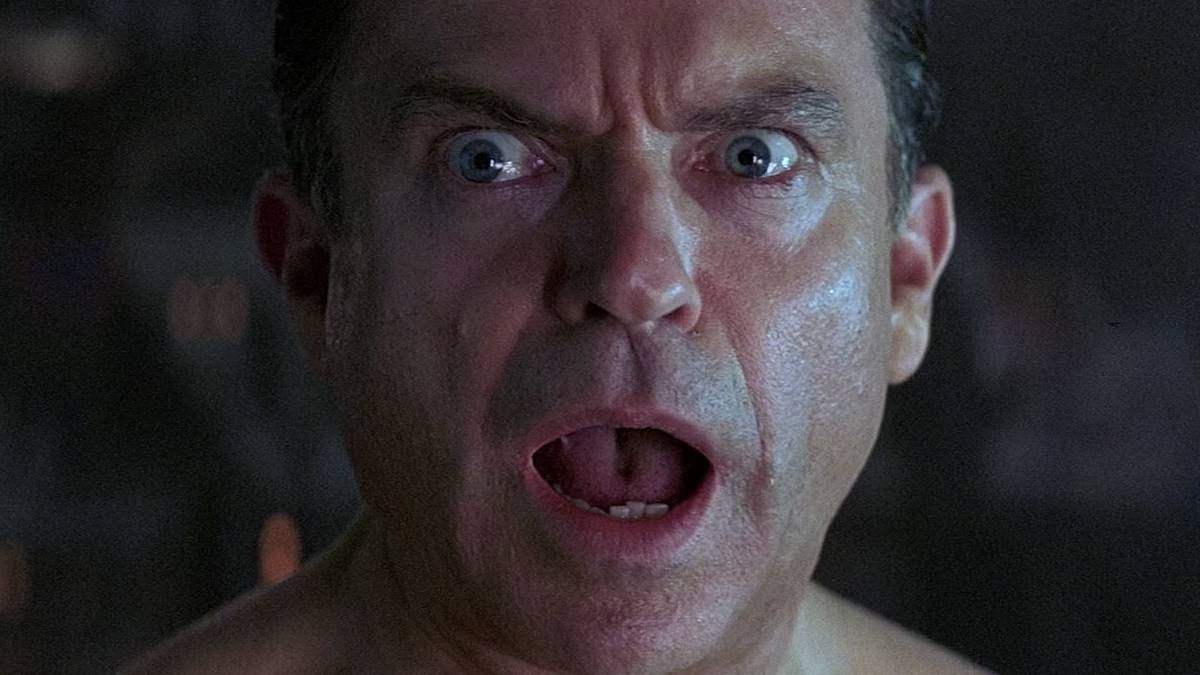
8. Alien (1979)
The crew of the Nostromo—a bunch of blue-collar space truckers—are yanked out of cryosleep to answer a distress signal, and they end up bringing something terrifying aboard. Sigourney Weaver, then relatively unknown, stepped into the role of Ellen Ripley, and Ridley Scott directed a cast that feels like real, exhausted coworkers bickering about pay. The infamous chestburster scene still shocks, partly because the actors didn't know exactly what was coming—Veronica Cartwright's genuine scream is pure gold. H.R. Giger's creature design, brought to life by a 6'10" art student in a suit, remains iconic. Nothing feels rushed, and it's scary every single time.
7. The Terminator (1984)
James Cameron's low-budget ($6.4 million) masterpiece follows a cyborg assassin (Arnold Schwarzenegger) sent back to 1984 to kill Sarah Connor (Linda Hamilton), whose future son will lead humanity's resistance. Michael Biehn plays Kyle Reese, the soldier sent to protect her. Cameron sold the script for a dollar to producer Gale Anne Hurd just to direct it, and Schwarzenegger, initially considered for Reese, took the villain role and became a star. The chase never lets up, and the ending still packs a punch.
6. Back to the Future (1985)
Marty McFly (Michael J. Fox) accidentally travels 30 years into the past in a DeLorean built by his eccentric friend Doc Brown (Christopher Lloyd). He meets his parents as teens, and his mom falls for him instead of his dad. Robert Zemeckis directed this perfect time-travel comedy, where every setup pays off beautifully. Fun fact: Eric Stoltz was originally cast as Marty but was replaced after five weeks because the tone felt off. Fox juggled filming with his TV show Family Ties, working days on one set and nights on another. The time machine was almost a refrigerator, but they switched to a car to avoid kids trapping themselves inside. Dozens of studios passed on the script before it became a hit.
5. Blade Runner (1982)
In a rain-soaked 2019 Los Angeles, Harrison Ford's Rick Deckard is pulled out of retirement to hunt down four replicants—artificial humans who've escaped an off-world colony. Ridley Scott directed this adaptation of Philip K. Dick's novel, and the film's atmosphere is unmatched. Rutger Hauer's Roy Batty delivers the famous "tears in rain" speech, which he trimmed and improved himself. The movie has multiple versions, including a theatrical cut with a voiceover and a happy ending the studio demanded, but the 2007 Final Cut is Scott's preferred vision. Every version is worth watching, and the world still feels like the future.
4. 2001: A Space Odyssey (1968)
Stanley Kubrick's epic takes us from early apes to the Moon to Jupiter, following a mysterious monolith that appears at key moments in human evolution. Keir Dullea stars as astronaut Dave Bowman, who faces off against the ship's computer, HAL 9000 (voiced by Douglas Rain). The film doesn't speak its first words until about 25 minutes in, and it's a slow burn that rewards patience. Kubrick built a real rotating set for the centrifuge scenes, and HAL's dying song, "Daisy Bell," nods to a real 1961 IBM demonstration. No CGI was used, and it still looks incredible.
3. The Matrix (1999)
The Wachowskis changed action cinema forever with this mind-bending tale of Neo (Keanu Reeves), a hacker who discovers his world is a simulation. Laurence Fishburne's Morpheus offers him the red pill, and Carrie-Anne Moss's Trinity joins the fight against Agent Smith (Hugo Weaving). The bullet-time effects and philosophical depth made it a cultural phenomenon. If you're craving more cyberpunk, check out William Gibson's classic novel that inspired the genre.
2. Star Wars: Episode IV – A New Hope (1977)
George Lucas's space opera needs no introduction. Luke Skywalker (Mark Hamill), Princess Leia (Carrie Fisher), Han Solo (Harrison Ford), and the droids—R2-D2 and C-3PO—embark on a quest to destroy the Death Star. The film's practical effects, John Williams's score, and the hero's journey made it a global sensation. It's a perfect blend of adventure, humor, and heart that still holds up today.
1. The Empire Strikes Back (1980)
The sequel to A New Hope is often hailed as the best Star Wars film, and for good reason. Irvin Kershner directed this darker, more character-driven chapter, where the rebels are on the run, and Luke trains with Yoda. The reveal of Darth Vader as Luke's father is one of cinema's greatest twists. The film's pacing, action, and emotional depth make it a flawless experience from start to finish. If you're a fan of epic storytelling, you might also enjoy the most entertaining Godzilla movies for more monster mayhem.
These eight films are more than just movies—they're timeless pieces of art that continue to inspire and entertain. Whether you're a longtime fan or a newcomer, they're essential viewing. And if you're in the mood for something less stellar, check out the worst sci-fi movies ever for a laugh.