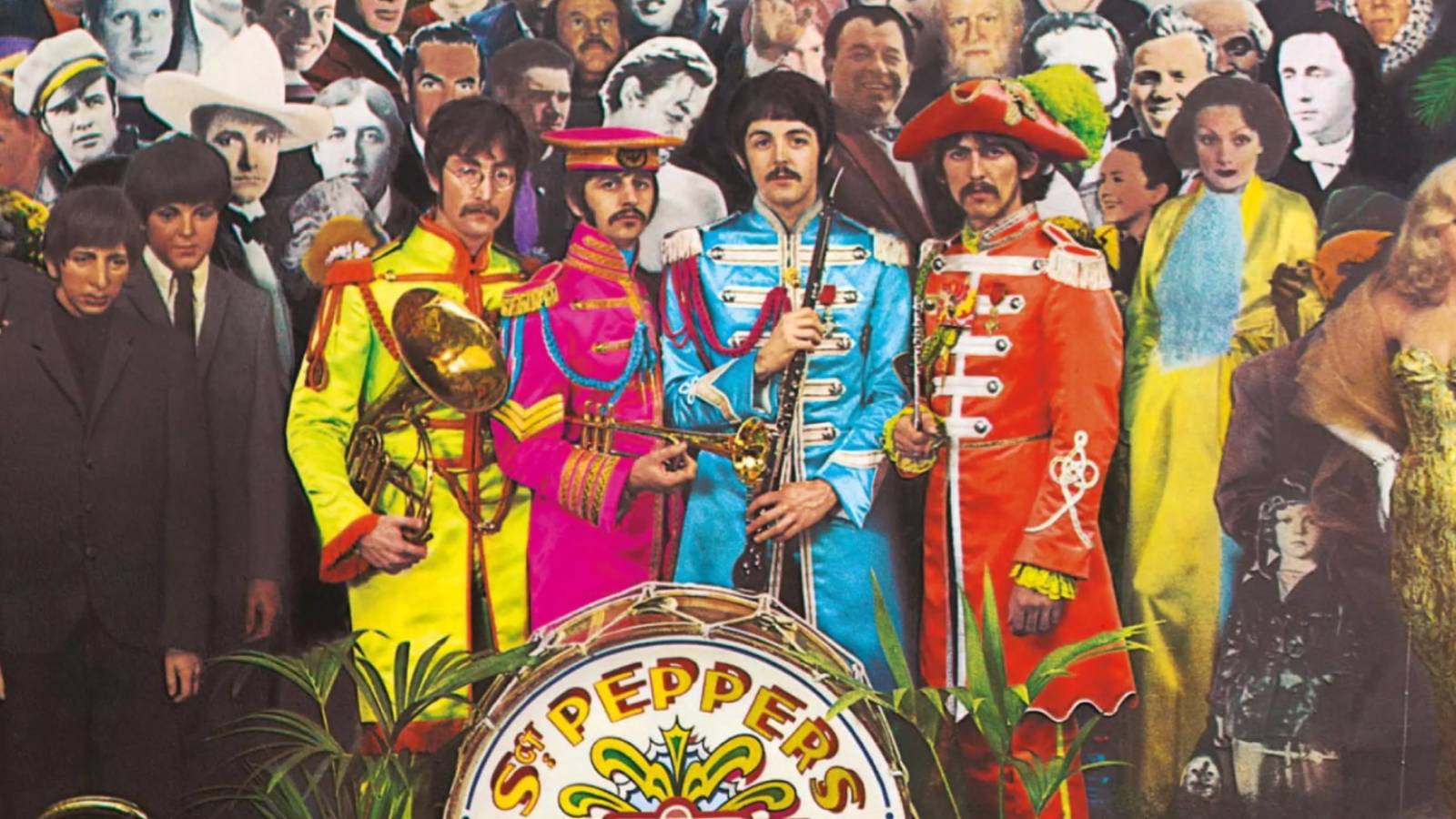
Few bands loom as large in rock history as The Beatles, and their 1967 masterpiece Sgt. Pepper's Lonely Hearts Club Band is often hailed as a watershed moment in music. It redefined what an album could be, turning a collection of songs into a cohesive artistic statement. But as monumental as it is, several other classic rock records from the same era arguably surpass it. Here are five that give Sgt. Pepper's a run for its money.
Led Zeppelin IV (1971)
Led Zeppelin's fourth album—officially untitled but universally known as Led Zeppelin IV—is a towering achievement of hard rock and folk-infused majesty. From the thunderous opener "Black Dog" to the epic closer "When the Levee Breaks," the album is a masterclass in dynamics and variety. Of course, it also contains "Stairway to Heaven," arguably the most iconic rock song ever written. But even beyond that behemoth, tracks like "Rock and Roll" and "Going to California" showcase the band's range. It's a record that feels both timeless and of its moment, and it edges out Sgt. Pepper's for sheer sonic power.

Born to Run (1975)
Bruce Springsteen's third album is a sprawling, cinematic journey through the streets of New Jersey and the dreams of escape. Born to Run is a near-perfect fusion of rock, pop, and soul, with anthemic songs like "Thunder Road," "Jungleland," and the title track that have become part of the American songbook. The album's production is lush and layered, and Springsteen's storytelling is at its most vivid. It's a record that captures the restlessness and hope of youth, and it stands as a testament to the power of rock to uplift and inspire.
Red (1974)
King Crimson's Red is a progressive rock gem that might not be as immediately accessible as some of the other albums on this list, but it rewards deep listening. The band, led by guitarist Robert Fripp, crafts a dark, brooding, and intensely atmospheric sound. The closing track "Starless" is a 12-minute epic that builds from a haunting melody to a ferocious climax, and it's worth the price of admission alone. Red is a challenging but deeply rewarding album that shows how rock could be both cerebral and visceral.
The Rise and Fall of Ziggy Stardust and the Spiders from Mars (1972)
David Bowie's concept album about an androgynous alien rock star is a theatrical and glam-rock triumph. Ziggy Stardust is a loose narrative that follows the rise and fall of its titular character, and it's packed with unforgettable songs like "Starman," "Suffragette City," and "Rock 'n' Roll Suicide." Bowie's persona and the album's futuristic sound were revolutionary, and it remains one of the most influential records of the 1970s. It's a bold, ambitious work that rivals Sgt. Pepper's in its conceptual scope.
The Dark Side of the Moon (1973)
Pink Floyd's The Dark Side of the Moon is a concept album that explores themes of time, greed, and mental illness, and it's a sonic masterpiece. From the opening heartbeat to the final fade-out, the album is a seamless, immersive experience. Tracks like "Money" and "Us and Them" are classics, but the album's true genius lies in its cohesion and atmosphere. It's a record that rewards repeated listens, and it has sold over 45 million copies worldwide, making it one of the best-selling albums of all time. In terms of sheer impact and innovation, it arguably surpasses Sgt. Pepper's.
These five albums, each in their own way, took the blueprint that Sgt. Pepper's helped create and pushed it further. They are essential listening for any rock fan, and they prove that the genre's golden age was rich with masterpieces.