Demonic children have long been a staple of horror, from the devilish offspring in Rosemary's Baby to the unsettling Esther in Orphan. These stories tap into deep fears about parenthood, especially the overwhelming responsibility of raising a child. But HBO's 8-episode horror-comedy The Baby takes this concept to a whole new level, blending dark humor with genuine chills to create a series that's as thought-provoking as it is entertaining.
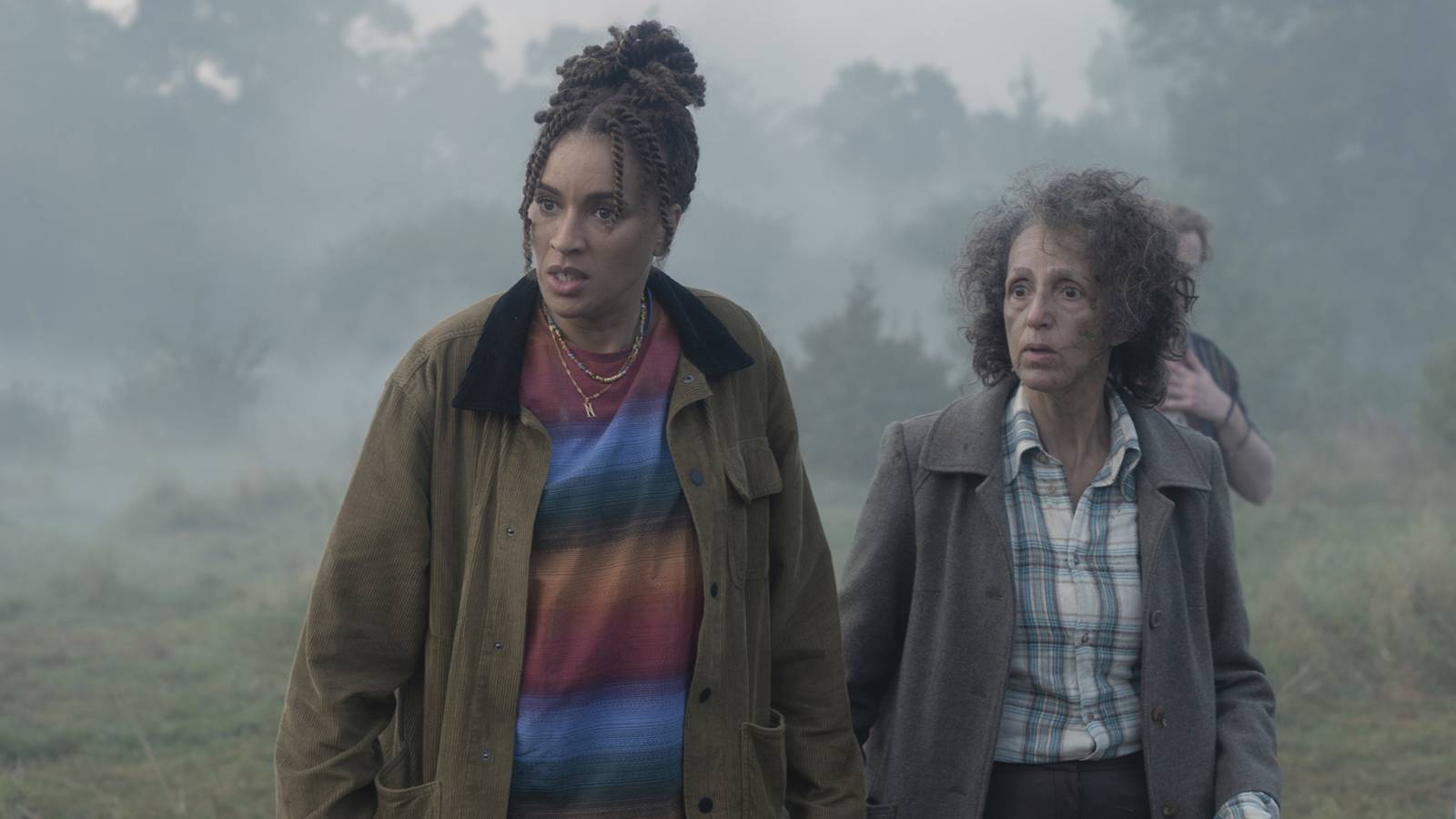
Created by Lucy Gaymer and Siân Robins-Grace, The Baby centers on Natasha (Michelle de Swarte), a 38-year-old woman who is fiercely independent and decidedly child-free. She's frustrated as her friends start having babies, and she doesn't hide her disdain. But her life takes a bizarre turn when a mysterious infant literally falls into her arms on a beach. This isn't just any baby—it's a malevolent force that attaches itself to Natasha, and no matter how hard she tries, she can't shake it. The baby uses its supernatural powers to harm anyone who gets in its way, and Natasha is blamed for the chaos.
A Dark Satire on Motherhood
At its core, The Baby is a scathing critique of the pressures society places on women to become mothers. Natasha's journey forces her to confront her own judgments about her mom friends, who are struggling with exhaustion and isolation. The series cleverly uses horror tropes to highlight the real-life challenges of motherhood—the sleepless nights, the loss of identity, and the constant judgment from others. It's a refreshingly honest take that goes beyond the typical romanticized portrayal of parenting.
The show's true genius lies in its villain. Through the character of Mrs. Eaves (Amira Gahazalla), we learn that the baby is a "bottomless pit of need," a supernatural entity that preys on women who don't want children. It demands unconditional love and attention, and when it doesn't get it, it eliminates them in gruesome ways. This is a metaphor for the unrealistic expectations placed on mothers, and the series doesn't shy away from the dark side of that reality.
Flashbacks to a Darker Time
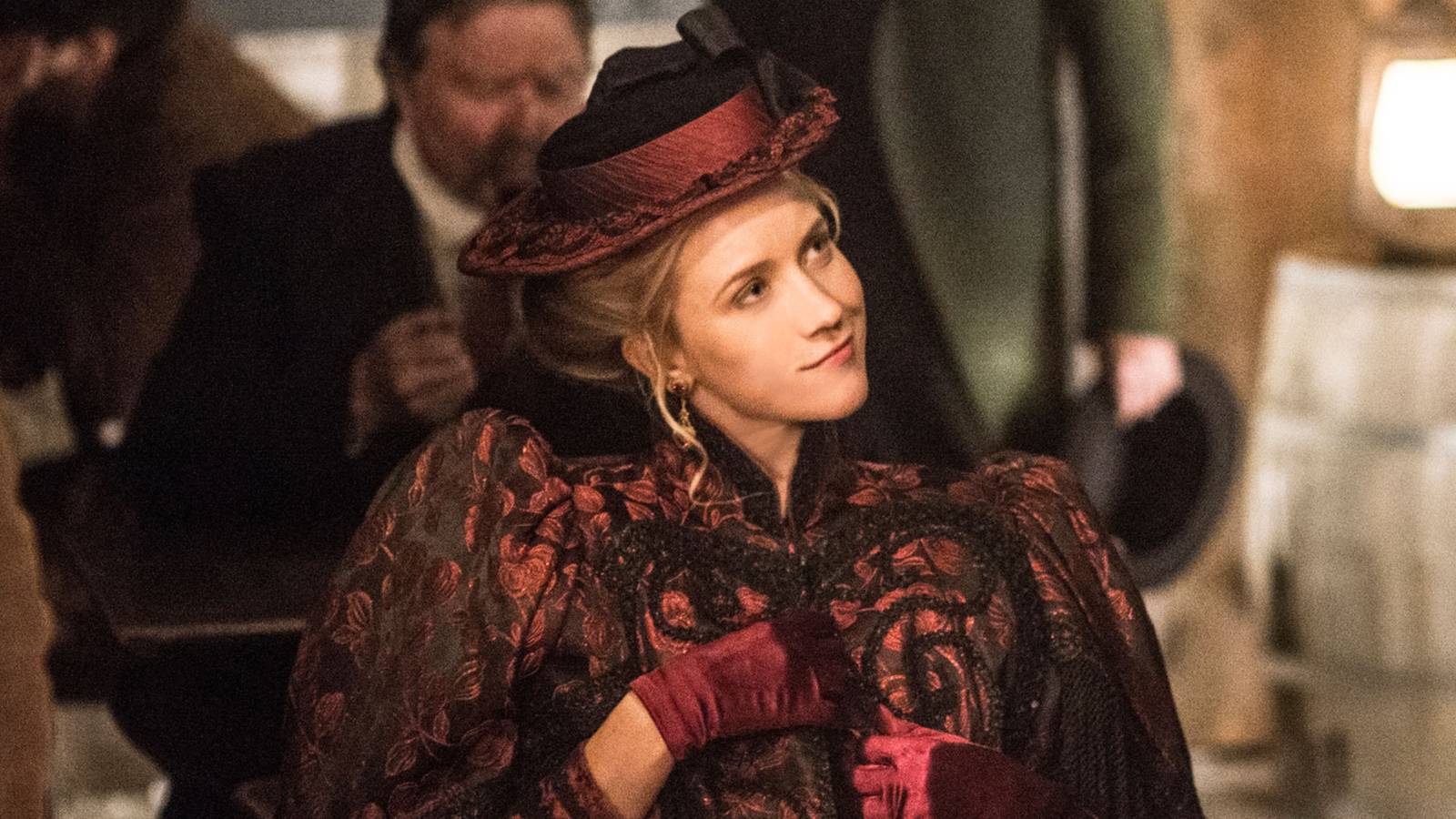
One of the most compelling aspects of The Baby is its flashback sequences set in the 1960s. We see a young Nour (Seyan Sarvan) fall in love with Helen (Tanya Reynolds), a married woman who is forced to carry a pregnancy to term in a homophobic and oppressive environment. Helen is treated as nothing more than an incubator, and the lack of love and support leads to tragic consequences. This backstory adds a layer of depth to the series, showing how societal norms can destroy lives and create monsters.
The series also excels in its performances, particularly Michelle de Swarte, who brings a mix of vulnerability and sharp wit to Natasha. The baby itself, played by twins Albie and Arthur Hills, is both adorable and terrifying, a testament to the show's ability to balance tones. The direction and writing keep viewers on edge, blending laugh-out-loud moments with genuinely disturbing scenes.
While The Baby may have flown under the radar, it's a gem that deserves more attention. It's a smart, funny, and unsettling exploration of motherhood that will resonate with anyone who's ever felt the weight of societal expectations. If you're a fan of horror-comedies that make you think, this is a must-watch. And if you're looking for more underrated gems, check out our list of forgotten sci-fi gems or dive into some hidden Netflix horror finds.
In a genre crowded with similar stories, The Baby stands out for its originality and boldness. It's not just a horror show; it's a commentary on the impossible standards women face. Whether you're a parent or not, this series will leave you thinking long after the credits roll. Don't let this one slip away—give it a chance and see why it's one of HBO's most underrated offerings.