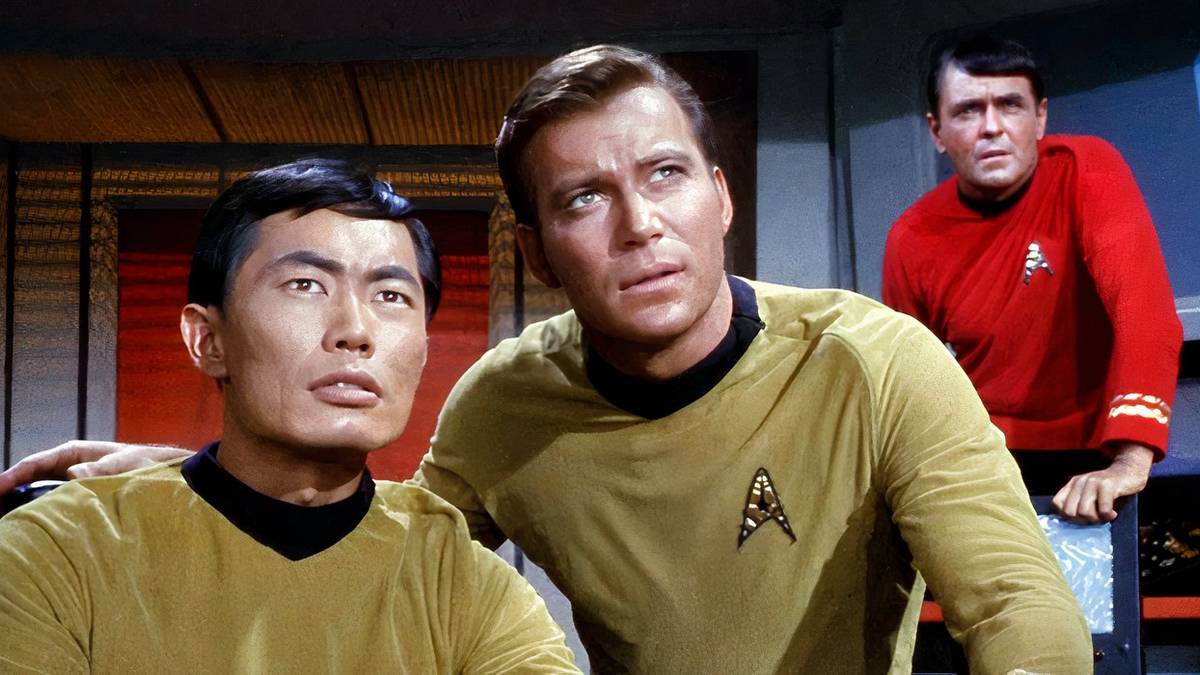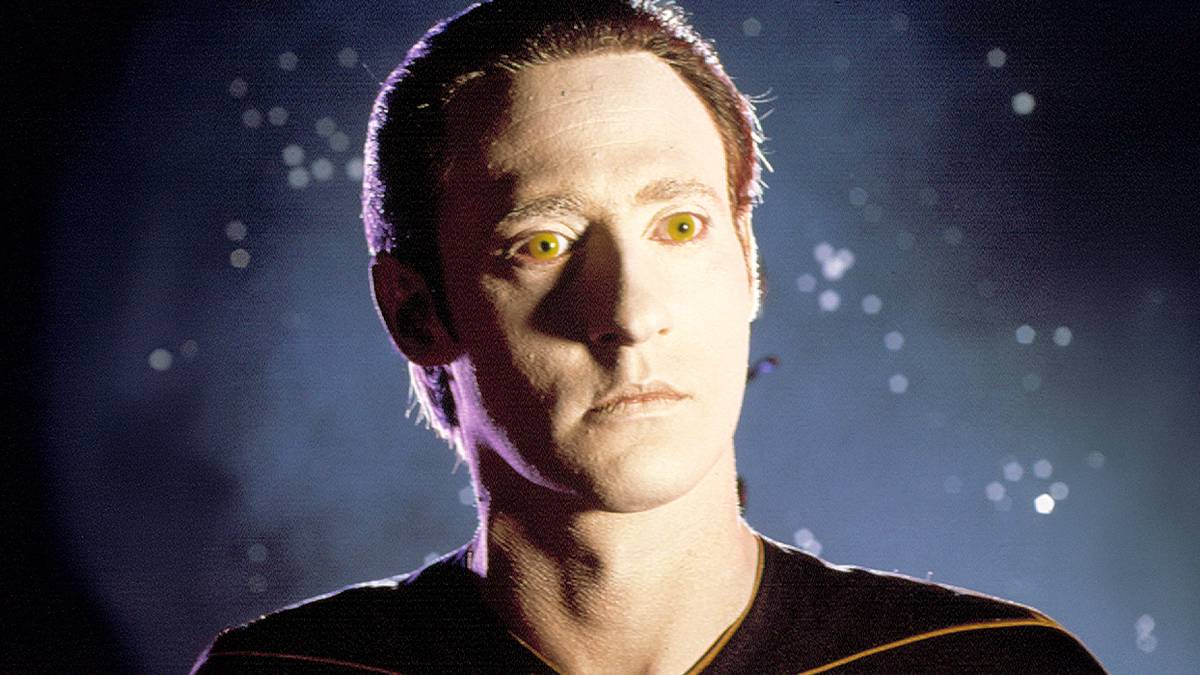
Everyone knows Lieutenant Commander Data. Mention androids in Star Trek, and sooner or later, someone brings up the pale, curious officer trying to understand why humans make everything so complicated. But Data wasn't Gene Roddenberry's first android searching for answers. That honor belongs to Questor, a synthetic being who debuted in the 1974 television movie The Questor Tapes. The similarities between the two characters are striking—and the story of why one became a legend while the other faded into obscurity is one of science fiction's most fascinating what-ifs.
Questor Was Asking Data's Questions Years Earlier
The Questor Tapes gets straight to the point. The android Questor (Robert Foxworth) possesses vast knowledge but knows almost nothing about himself. Huge gaps in his memory leave him with plenty of facts and very few answers. So he hits the road with scientist Jerry Robinson (Mike Farrell) to find the creator who might finally explain who he is and why he exists.
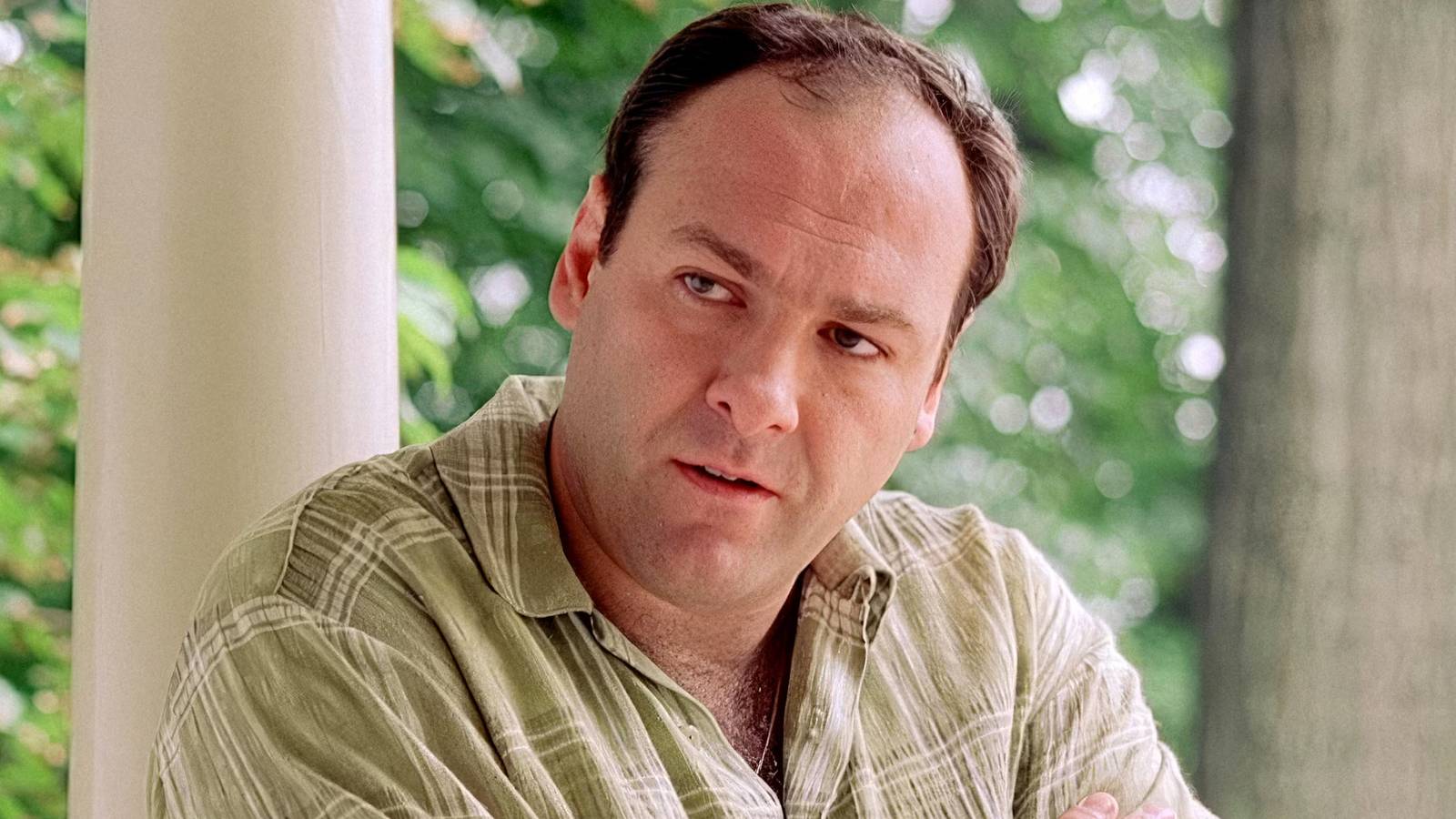
It's impossible to watch the pilot today without seeing pieces of what would become Star Trek: The Next Generation's Lt. Cmdr. Data (Brent Spiner). Not the yellow eyes or the Starfleet uniform, but the curiosity. The constant search for answers. The feeling that Questor is less interested in what he can do than in understanding where he belongs. Director Richard Colla later described Data as a combination of Questor and Spock, which makes perfect sense once you've seen the pilot. Data would eventually spend seven seasons learning about humanity, one awkward interaction at a time.
Questor was on a similar journey years earlier. Instead of exploring strange new worlds, he explored people, hoping that somewhere along the way he might finally learn something about himself. The scenery may have changed from American highways to the final frontier, but the appeal was remarkably similar. Both characters were outsiders trying to make sense of the human race. The only real difference is that Data got seven seasons to figure it out, while Questor barely got out of the starting gate.
NBC Never Understood What Roddenberry Was Selling
If The Questor Tapes sounds like the beginning of a successful science-fiction series, that's because it almost was. NBC reportedly ordered thirteen episodes, and for a brief moment, it looked as though Questor would become Roddenberry's next major television project. Then the network got involved.
The executives understood the basic concept of an android. What they struggled with was everything else. Roddenberry had built an elaborate mythology around Questor and a hidden group of advanced artificial beings who had quietly guided humanity for centuries. To Roddenberry, it was just part of the story. To network executives, it raised questions they weren't comfortable dealing with. Suddenly, there were concerns about religion, metaphysics, and whether audiences would accept a story suggesting that mysterious beings had been influencing human history.
One proposal would have removed Jerry Robinson from the series entirely. Another would have ignored much of the pilot's ending and turned Questor into a fugitive constantly running from people trying to capture him. Instead of a story about discovery, identity, and human potential, the series started drifting toward a familiar chase formula that executives felt more comfortable selling. Mike Farrell couldn't understand why anyone would want to break apart the partnership between Questor and Jerry. Roddenberry felt the same way. In his mind, the relationship between the android and the human was the entire point. Once that started disappearing, so did his enthusiasm.
Roddenberry had already lived through one long war over creative control. By the time the arguments over The Questor Tapes reached a boiling point, he decided he wasn't signing up for a sequel. Instead of compromising further, he left the project behind. The funny part is that Roddenberry never really abandoned Questor. He just came back to him later, wearing different clothes. More than a decade after The Questor Tapes fizzled out, he introduced Data to the world, and suddenly millions of viewers were falling in love with an android asking some very familiar questions.
For fans curious about Roddenberry's other unrealized visions, check out Gene Roddenberry's 'Andromeda': The Sci-Fi Epic You Can Stream Now. And if you want to dive deeper into the archives, 'Into the Roddenberry Archives' Free YouTube Series Reveals Star Trek Treasures offers an exclusive peek at the creator's legacy.