When you think of Shameless, you probably picture William H. Macy as the lovable yet infuriating Frank Gallagher. And for good reason: the show spent over a decade on Showtime, became one of TV's most beloved dramedies, and with 11 seasons and 134 episodes, it holds the record as the longest-running scripted original drama in the network's history. But here's a twist many fans might not know: Shameless wasn't an original American idea, and Macy wasn't the first actor to play Frank.
The series is actually a remake of a British show of the same name that premiered in 2004. Created by Paul Abbott, the UK version also follows the chaotic Gallagher family and shares many early storylines. It even ran for the same number of seasons—plus five more episodes. Like The Office, Shameless is one of those rare American adaptations that started as a faithful copy but eventually became its own unique beast.
The Original 'Shameless' Was a Phenomenon
Years before the Gallaghers of Chicago's South Side, there were the Gallaghers living on the fictional Chatsworth council estate in Manchester, England. The original Shameless debuted on Channel 4 in 2004, drawing heavily from Abbott's own working-class upbringing. Like its American successor, it centered on alcoholic patriarch Frank Gallagher and his six kids, who had to raise themselves amid poverty, crime, romance, and everyday absurdities.
The British version quickly became one of Channel 4's top series. Critics praised its willingness to tackle serious social issues without losing its dark humor, and it won the BAFTA Award for Best Drama Series in 2005. It aired 139 episodes through 2013. That success naturally caught Hollywood's attention. HBO initially wanted it but passed, and producer John Wells took the project to its eventual home: Showtime.
Given the original's success, it's no surprise that the American version's earliest episodes are incredibly similar to the British ones. Entire scenes, character introductions, and story beats were recreated almost verbatim. Frank was still the same deadbeat, Fiona was the surrogate parent, and kids Lip, Ian, Debbie, Carl, and Liam all filled familiar roles. But from Season 2 onward, Shameless started to differentiate itself in small ways that eventually led to big departures.
By Their Finales, Both Versions Stood Apart
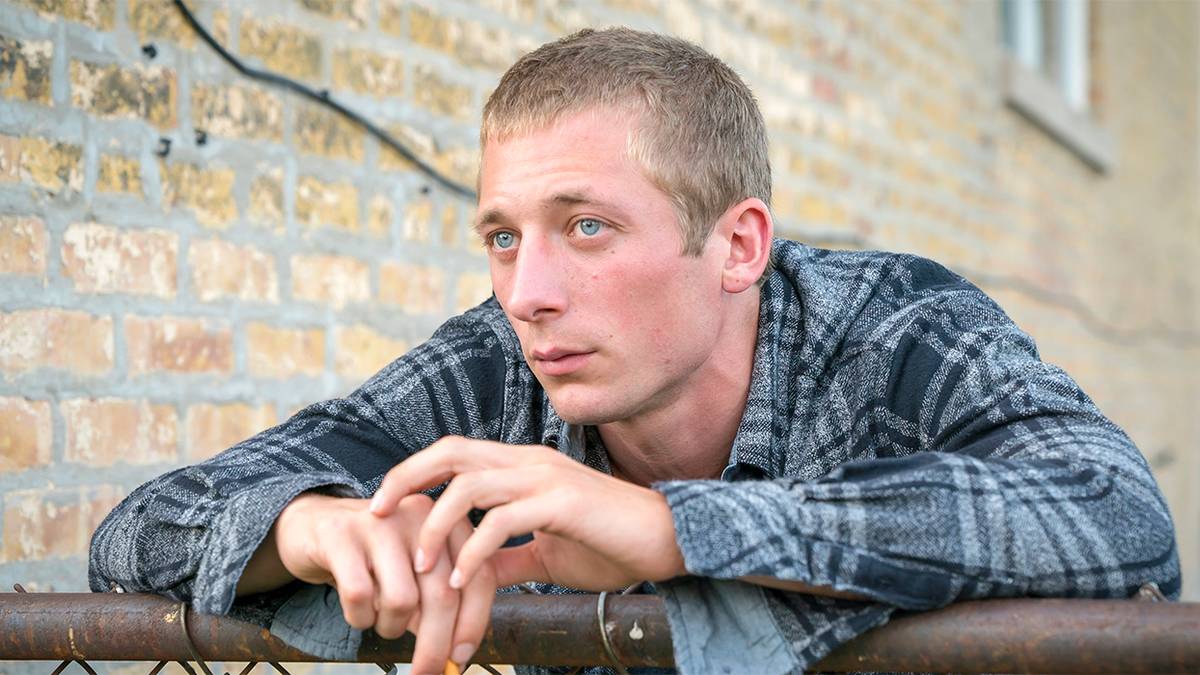
By the later seasons, Shameless was no longer adapting Abbott's scripts. It had become its own sprawling ensemble drama with distinct characters, relationships, and themes—most notably, the Gallaghers stuck around much longer in the U.S. version. No character illustrates that evolution better than Fiona Gallagher. Emmy Rossum turned Fiona into the emotional center of the show, carrying storylines about guardianship, relationships, addiction, entrepreneurship, and personal responsibility for over a hundred episodes before her departure. In the British version, Fiona left at the end of Season 2. Frank also evolved beyond his British counterpart. Macy still played Frank as selfish and manipulative, but he found moments of vulnerability that made viewers understand—if not forgive—the character better than the original.
American remakes often struggle to justify their existence. Many never shake comparisons to the originals, while others are canceled before finding their footing. But Shameless tackled the class divide and other realities of American life, including healthcare, policing, addiction, student debt, economic inequality, and housing insecurity. While the original Shameless deserves credit for creating one of TV's most memorable dysfunctional families, the American version accomplished something even rarer: it became a defining show in its own right. That's what makes it one of the best U.S. remakes of British TV.
For more on successful remakes, check out how Jake Gyllenhaal's Road House remake dominated streaming, or see why Apple TV's Cape Fear remake is making waves. And if you're a fan of heartfelt dramas, don't miss This Is Us on Tubi.