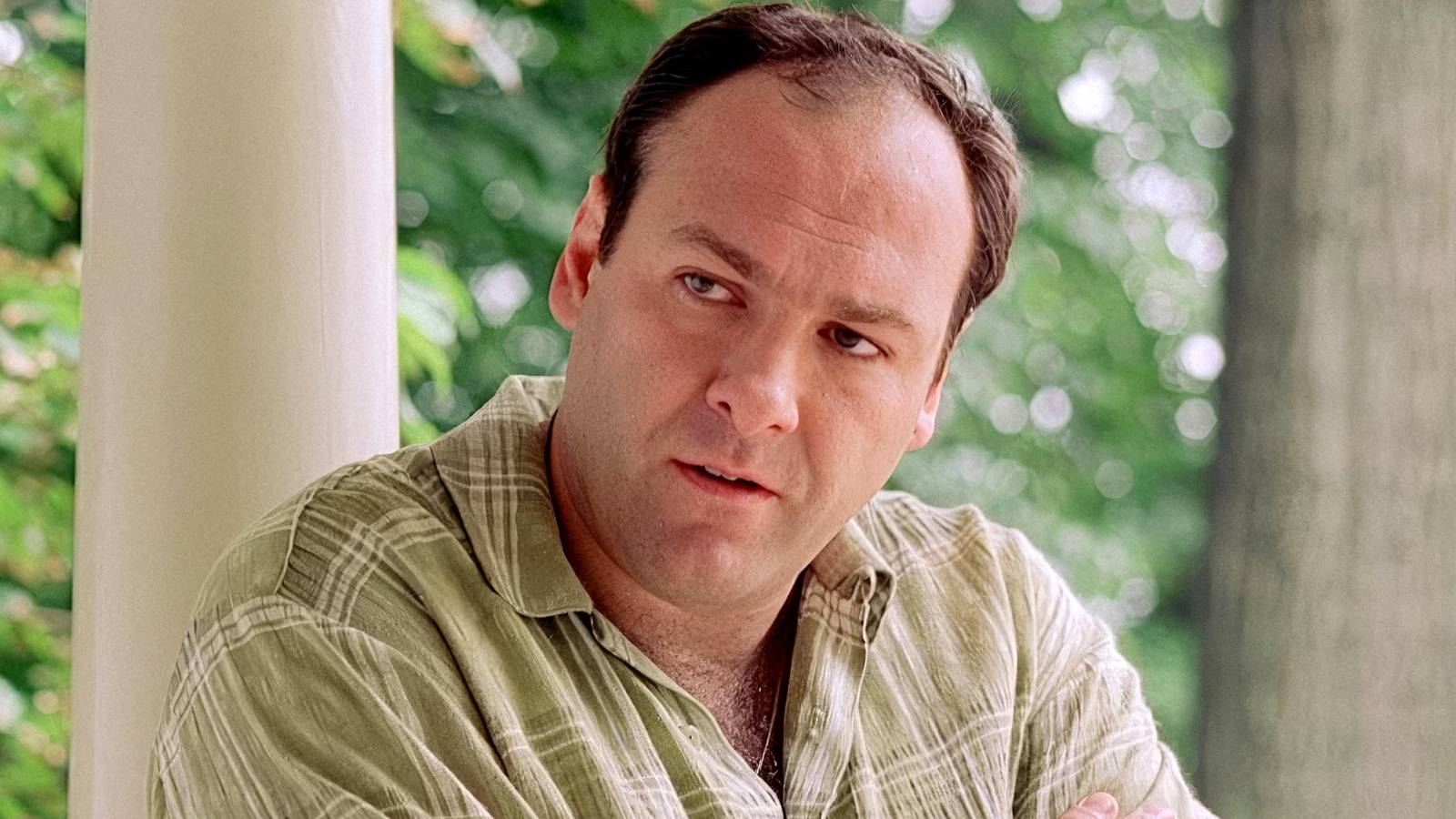
When we talk about groundbreaking television, The Sopranos is often the first name that comes to mind—and for good reason. It elevated the crime drama, blurred moral lines, and proved that cable could produce art as rich as any film. But while Tony Soprano's journey remains a high-water mark for quality, a handful of shows actually went further in terms of innovation, daring, and sheer influence. These series didn't just push the envelope; they tore it up and redrew the map for what TV could be.
Before we dive in, let's be clear: none of these shows are better than The Sopranos. That series had an unmatched consistency and depth, and it rewards rewatching like few others. But when it comes to being more groundbreaking, these five deserve their moment in the spotlight—because they came first, and they paved the way for the very innovations that made The Sopranos possible.
5. Oz (1997–2003)
Two years before The Sopranos hit HBO, Oz was already shocking audiences with its unflinching look at life inside a maximum-security prison. It wasn't just violent—it was brutal, graphic, and unapologetic in its depiction of the horrors of incarceration. The show didn't shy away from killing off major characters, often in the most gruesome ways imaginable, setting a precedent for the kind of ruthless storytelling that The Sopranos would later become famous for.
While Oz's later seasons got a bit strange, its early impact was undeniable. It proved that HBO could handle adult content in a way network TV never could, and it opened the door for the prestige dramas that followed. If you're looking for a show that truly tested the limits of what television could show, Oz is a landmark—even if it's not always easy to watch.
4. The Prisoner (1967–1968)
Long before The Sopranos had its surreal dream sequences, The Prisoner was bending minds with its blend of spy thriller, sci-fi, and outright absurdity. The premise—a man trapped on a mysterious island, trying to escape while being bombarded with bizarre psychological games—was unlike anything TV had seen before. It was challenging, cryptic, and unapologetically weird, and it influenced everything from Lost to the more experimental episodes of The Sopranos.
What makes The Prisoner so groundbreaking is its refusal to explain itself. It trusted its audience to figure things out, or to simply enjoy the ride. That kind of confidence was rare in the 1960s, and it's still rare today. If you want to see where TV's most ambitious storytelling began, this is it.
3. Buffy the Vampire Slayer (1997–2003)
It might seem odd to put a show about a teenage vampire slayer on this list, but Buffy was far more than its supernatural premise. It was a masterclass in serialized storytelling, with season-long arcs that paid off in ways that were unprecedented for network TV. The show's use of continuity, character development, and emotional stakes was light-years ahead of its time, and it proved that a show could be both wildly entertaining and deeply meaningful.
While The Sopranos revolutionized cable, Buffy did the same for network television. It showed that genre shows could be taken seriously, and it inspired a generation of writers and creators who would go on to shape the TV landscape. Sure, it had its weak episodes—144 episodes in six years will do that—but its highs were as high as anything on television, then or now.
2. Twin Peaks (1990–1991, 2017)
If The Prisoner was the precursor to The Sopranos' oddest moments, Twin Peaks was the direct bridge. David Lynch's surreal mystery about the murder of a homecoming queen was unlike anything on TV at the time, blending soap opera melodrama with nightmare logic. It was a cultural phenomenon that proved audiences were hungry for something stranger, and it directly influenced David Chase, who has acknowledged its impact on The Sopranos.
Twin Peaks didn't just break rules—it ignored them entirely. It was a show that could be hilarious one moment and terrifying the next, and it never felt the need to explain itself. Its 2017 revival on Showtime was just as daring, showing that even decades later, it could still push boundaries. For anyone interested in the history of ambitious TV, Twin Peaks is essential viewing.
1. M*A*S*H (1972–1983)
It's easy to forget that M*A*S*H was a comedy, because it was so much more than that. Set during the Korean War, the show used humor to tackle serious themes like death, trauma, and the futility of war. It was one of the first shows to blend comedy and drama seamlessly, and its famous finale—which aired in 1983—remains one of the most-watched TV episodes in history.
M*A*S*H was groundbreaking in its willingness to take risks, both tonally and narratively. It could make you laugh one minute and cry the next, and it never shied away from the darker side of its setting. It also proved that a show could be both popular and critically acclaimed, setting the stage for the prestige TV boom that would come decades later. If The Sopranos is the king of modern drama, M*A*S*H is the ancestor that made it possible.
These five shows each broke new ground in their own way, and their influence can still be felt today. Whether it's the gritty realism of Oz, the surrealism of Twin Peaks, or the genre-blending of Buffy, they all pushed television forward. So while The Sopranos may be the gold standard, these are the shows that truly changed the game.